The best way to clean wood floors comes down to consistency, not intensity. A simple routine of daily dusting, weekly vacuuming or spray mopping, periodic deep cleaning, and occasional polishing keeps wooden floors looking fresh for decades. For most modern finished hardwood and engineered wood floors, the process is straightforward: dust with a microfiber mop, vacuum with a hard-floor setting, and clean with a pH-neutral hardwood floor cleaner. Avoid steam, vinegar, and excess liquid at all costs.
These methods work for polyurethane-finished floors common from the mid-1990s onward. If you have oiled wood floors or waxed surfaces, you’ll need slightly different care—covered later in this guide. Using wrong cleaners like homemade solutions with vinegar or soap can leave your floors cloudy with residue scratched or even stripped of their protective finish.
This article walks through a practical routine and a little help from Bona products where appropriate: how often to clean your wood floors, step-by-step instructions for each cleaning type, and long-term maintenance for hardwood floors that protects your investment.
How Often to Clean Your Wood Floors
Cleaning frequency depends on traffic, pets, children, and whether shoes are worn indoors. Generally speaking hardwood floors in busy households need more attention than those in quieter homes.
Quick reference schedule:
-
Dust mop or sweep: daily or every 2–3 days
-
Vacuum your floors weekly (twice weekly for busy homes)
-
Deep clean your wood floors: monthly for high-traffic, every 2 months for low-traffic rooms
-
Polish: every 2–4 months on polyurethane finishes
-
Professional refinishing: roughly every 7–10 years
A flat with two adults and no pets might need dusting twice weekly, vacuuming weekly, and deep cleaning every 2 months. A family home with a dog and two children requires daily dusting, twice-weekly vacuuming, and monthly deep cleaning. Reducing grit with entrance mats and a no-shoes policy can extend intervals between wet cleaning.
Preparing Your Wood Floors Before Cleaning
Preparation prevents scratches during wet cleaning. Loose dirt and grit act like sandpaper on wood finishes, especially in high-traffic areas like hallways and kitchen aisles.
Prep checklist:
-
Remove rugs and mats; shake outside
-
Add felt pads under furniture legs (replace annually)
-
Lift furniture instead of dragging—use sliders for heavy pieces
-
Pick up large debris by hand before vacuuming
-
Check your floor type (solid hardwood, engineered, oiled, waxed) to determine safe cleaners
Sweep or Dust Mop Your Wood Floors Daily
Daily dusting removes fine dirt, dust, hair, micro particles, and grit that cause micro-scratches. This is the foundation of keeping your wood floors sparkling and maintaining your beautiful investment.
Recommended tools:
-
Bona microfiber dusting pad or similar wide-head microfiber mop (40 cm / 15–18 inches)
-
Soft-bristled broom as backup
Technique:
-
Work in straight passes, overlapping slightly
-
Start from the farthest corner, work toward the door
-
Shake or vacuum the pad when it looks dusty
-
Prioritize entryways, kitchens, and areas near shedding pets
Effectively dust mop your wood floors in 5–10 minutes daily—this prevents buildup that requires intensive cleaning later.
How to Sweep or Dust Mop Effectively
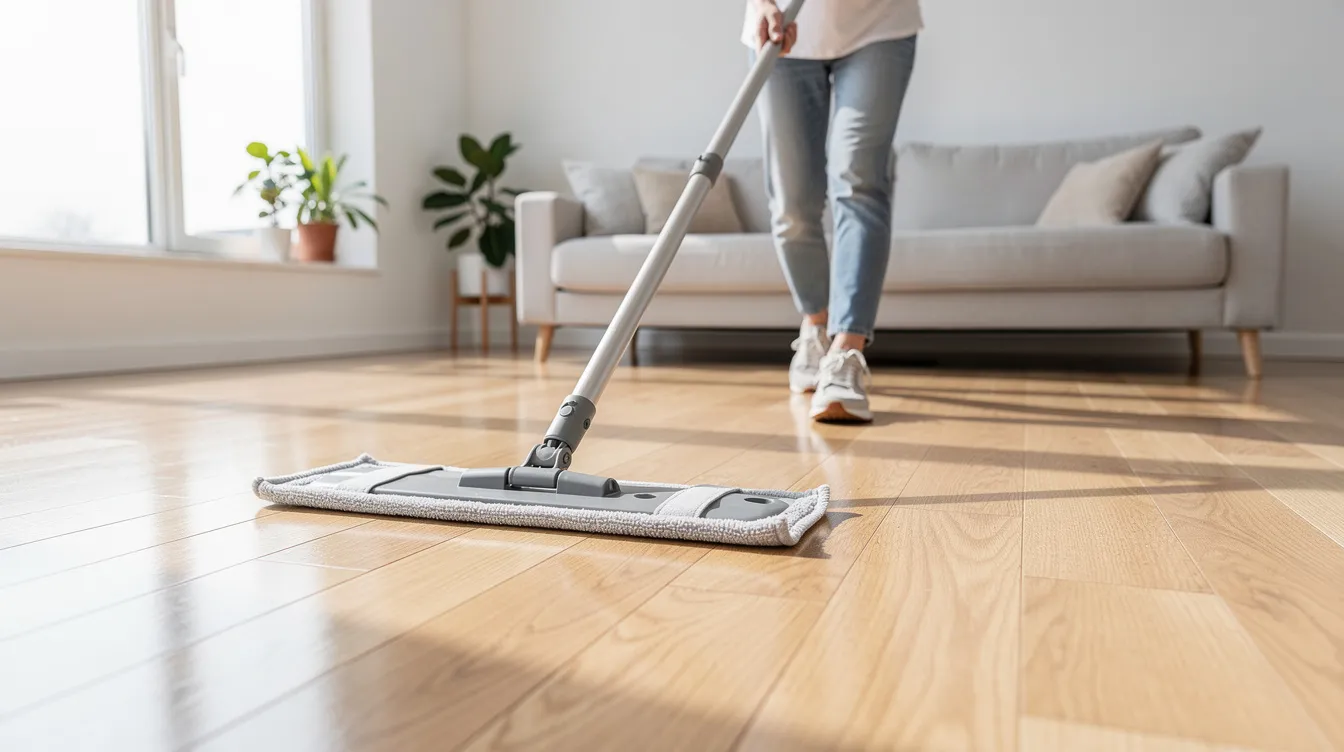
Clear small obstacles first—toys, pet bowls, light chairs. Attach a clean microfiber pad to your mop. Glide along the floor following the length of boards where possible. After covering 10–15 m², check and clean the pad. Avoid stiff brooms on older floors with delicate finishes. Set a routine: dust mop your wood floors in the kitchen and hallway every evening, living areas every other day.
Vacuum or Spray Mop Your Wood Floors Weekly
Weekly cleaning removes grit that daily dusting misses, especially from joints, edges, and under furniture. Use a spray mop or vacuum with the right settings to keep your wood floors clean without damage.
Safe vacuum choices:
-
Canister or cordless with hard floor head, soft bristles, no rotating beater bar
-
Upright vacuums with brush roll disabled
Spray mop for hardwood floors:
-
Use a Bona premium spray mop or similar with pH neutral hardwood floor cleaner
-
Mist small sections (90 x 90 cm) lightly
-
Wipe with Bona microfiber cleaning pad, leaving surface slightly damp—never wet
Avoid steam mops entirely on wood or engineered floors. The action powered by hydrogen peroxide in products like Bona OxyPower wood floor deep cleaners offers effective cleaning without steam damage.
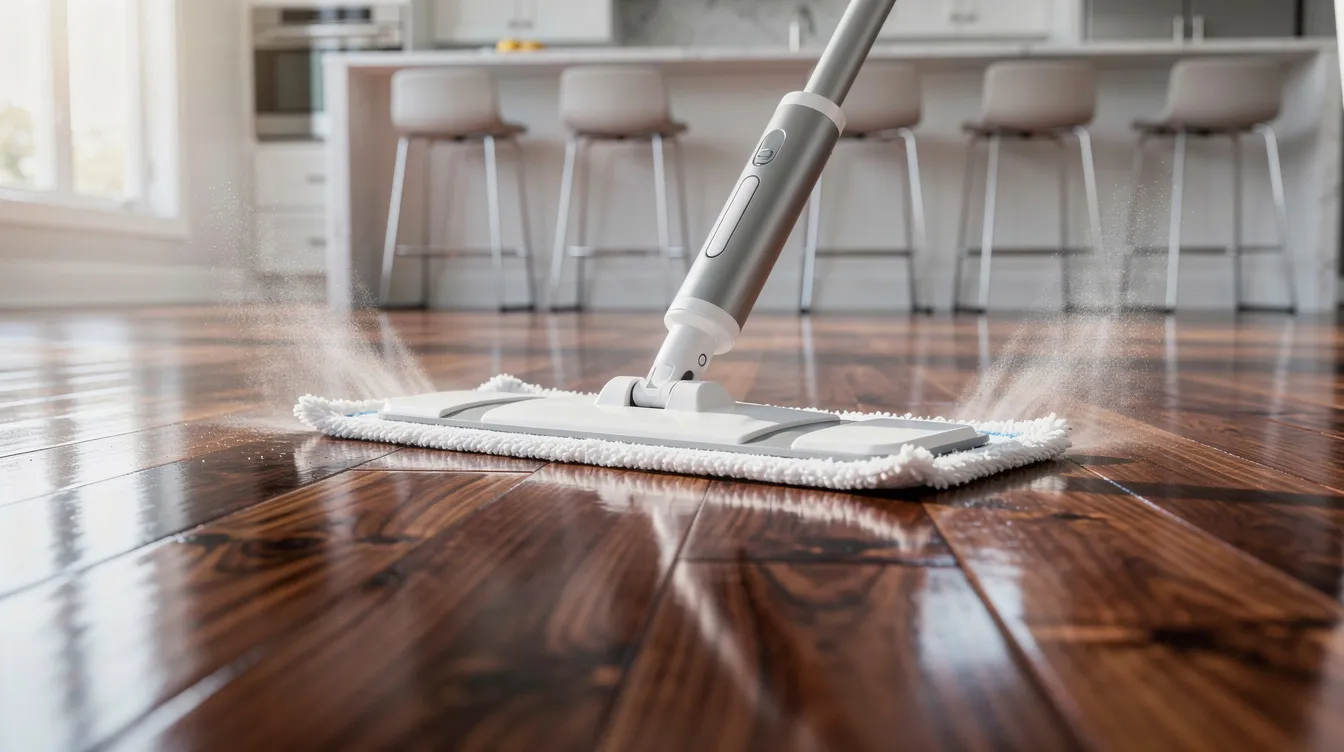
Step-by-Step: Weekly Vacuum and Spray Mop Routine
-
Remove rugs; check for grit underneath
-
Vacuum along skirting boards, under radiators and appliances
-
Vacuum the entire floor with brush bar off
-
Fill spray mop with pH-neutral cleaner (Bona premium microfiber mop systems work well)
-
Starting at the far corner, mist a 1 x 1 m area
-
Mop your wood floors in the direction of the grain
-
Switch pads when dirty to avoid spreading soil
Spot Clean Spills and Stains Immediately
Liquid spills can stain and swell boards within minutes, especially along seams. Quick action is essential for protecting your wood floors.
Immediate response:
-
Blot (don’t rub) with absorbent cloth
-
Dampen microfiber with wood floor cleaner, wipe area
-
Dry thoroughly with clean cloth
Avoid: Vinegar, baking soda pastes, bleach, and magic erasers—cleaners like homemade solutions can leave dull marks or etch finishes. For pet accidents, use enzymatic cleaners safe for wood. Grease requires a dedicated wood floor deep cleaner and multiple passes.
How to Remove Common Marks and Scuffs
Black scuff marks from rubber soles respond well to gentle pressure with a dry microfiber cloth. For stubborn marks, use a damp cloth with pH-neutral cleaner, rubbing with the grain. A soft pencil eraser works on heel scuffs—test in a hidden corner first. Deep gouges exposing bare wood require professional repair, not cleaning.
Deep Cleaning Wood Floors (Every 1–2 Months)
Deep cleaning targets built-up grime and traffic lane discoloration. Use Bona OxyPower microfiber deep clean systems or similar oxypower wood floor deep cleaners for thorough results.
When to deep clean:
-
Monthly: homes with pets, children, frequent outdoor traffic
-
Every 2–3 months: low-traffic rooms
Work in sections with a microfiber deep clean pad, following product dwell-time instructions. Never flood the floor—keep surfaces lightly damp and wipe pools immediately.
Step-by-Step: Monthly Deep Clean Routine
-
Choose a dry day; open windows for ventilation
-
Move small furniture to another room
-
Vacuum thoroughly, including corners and under skirting
-
Prepare deep-clean solution per label (Bona system of cleaners mops and mop pads recommended)
-
Apply with spray or damp microfiber mop for multi surface floors
-
Agitate stubborn areas with soft-bristled brush
-
Follow with clean, damp pad
-
Finish with dry pass if needed
Polish and Refresh Your Wood Floors When Needed
Cleaning removes surface dirt; polishing adds protective layers. Wood floor polish renews sheen and fills micro-scratches, offering continued protection against wear.
Frequency:
-
High-traffic areas: every 2–4 months
-
Low-traffic rooms: once or twice yearly
Sheen options:
-
Wood floor polish gloss restores mirror-like shine for formal rooms
-
Wood floor polish matt suits modern, natural aesthetics
Bona wood floor polish in your preferred finish, or Bona wood floor refresher for lighter touch-ups, work well. Ensure floors are clean and dry before application—dust sealed under polish creates texture problems.
How to Apply Wood Floor Polish Safely
-
Clean the entire floor; allow 1–2 hours drying
-
Shake polish gently
-
Pour S-shaped line at far corner
-
Spread thin, even coats following grain direction
-
Avoid foot traffic for labeled drying time (often 1–2 hours light traffic, 24 hours for furniture)
Test in a closet first. Never apply polyurethane polish to oiled or waxed floors—they’re incompatible.
Long-Term Maintenance and Refinishing (Every 7–10 Years)
Even well-maintained hardwood floors eventually show wear. Tips for hardwood floor care include planning for refinishing every 7–10 years in busy homes, or 12–15 years in low-traffic spaces.
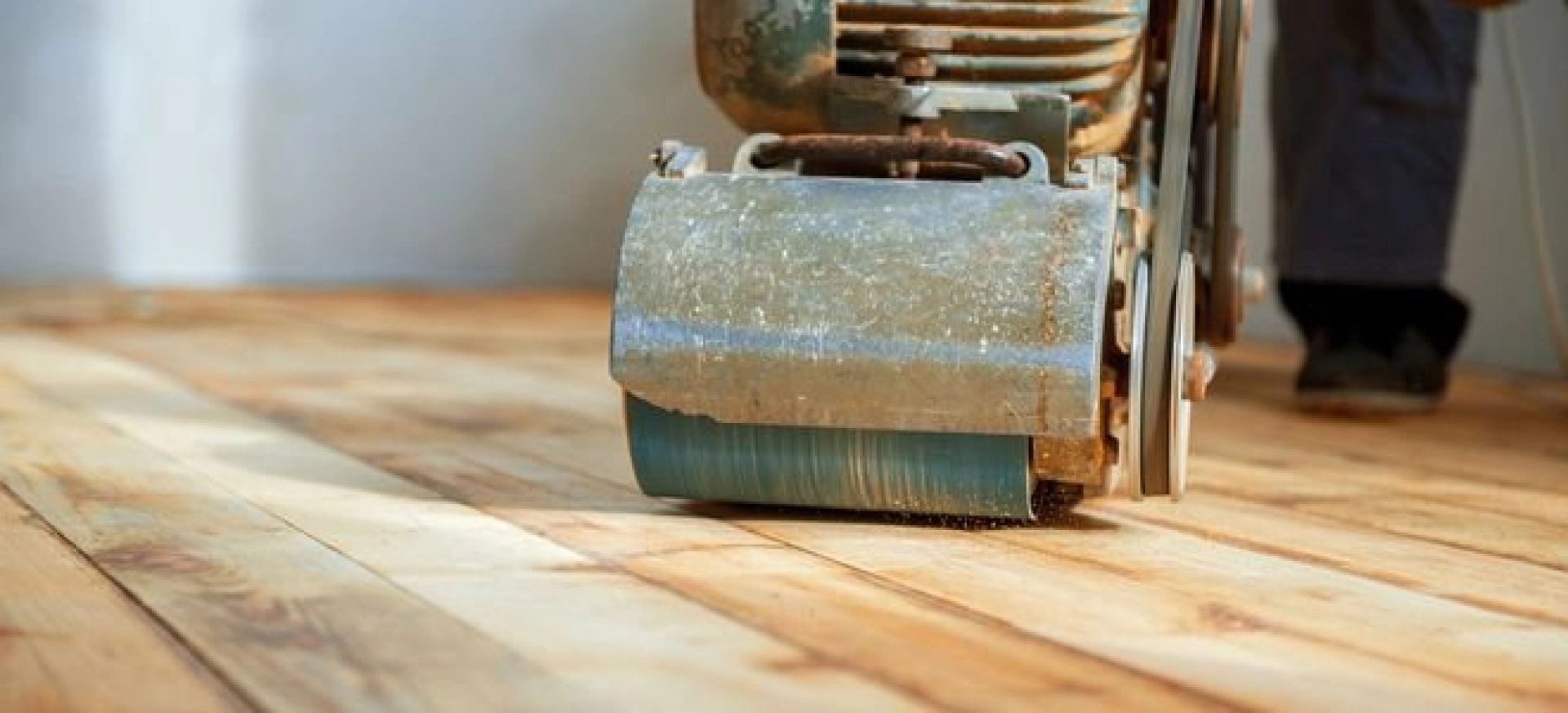
Refinishing involves sanding the existing finish, optional stain color changes, and new finish coats. Solid wood floors handle 4–6 sandings; engineered wood allows 1–3 depending on wear layer thickness. Choose a Bona certified craftsman for large areas, historic floors, or severe damage. A hardwood flooring project typically takes 2–5 days.
Special Care for Oiled and Waxed Wood Floors
Care for oiled wood floors differs significantly from polyurethane-finished surfaces. These floors have matte appearances where you feel the wood grain directly.
Best practices:
-
Use cleaners specifically labeled for oiled/waxed wood
-
Avoid degreasers, ammonia, universal detergents
-
Re-oil traffic lanes when they look dry or chalky
-
Light buff after oil application
-
Skip standard polyurethane polish entirely
For wood floors we recommend dedicated oil-floor products rather than attempting the same routine used on sealed surfaces.
Common Mistakes to Avoid When Cleaning Wood Floors
-
Using steam mops on real or engineered wood (causes cupping and finish failure)
-
Cleaning with vinegar or acidic DIY solutions (dulls modern finishes)
-
Over-wetting with buckets of water (swelling, staining, edge lift)
-
Abrasive pads or stiff brushes (visible scratches)
-
Leaving rubber-backed mats on damp floors (trapped moisture, discoloration)
-
Mixing bleach with wood products (safety hazard, finish damage)
Always test new products in hidden areas before treating the entire floor.
Tips to Keep Your Wood Floors Cleaner for Longer
Protect your wood floors with simple lifestyle adjustments that reduce cleaning frequency while offering ongoing protection.
-
Adopt no-shoes policy to minimize grit and road salt
-
Place sturdy entrance mats inside and outside doors
-
Use runner rugs with breathable pads in high-traffic corridors
-
Fit felt pads on all furniture legs; check monthly
-
Keep pet nails trimmed
-
Maintain 40–60% indoor humidity to prevent gapping
-
Wipe kitchen drips immediately; do evening crumb checks
Small, consistent habits—cleaning wood floors lightly misting weekly, quick daily dust passes—reduce heavy cleaning needs dramatically. Your floors can stay beautiful for decades with this approach, protecting your investment while keeping maintenance manageable. Start tonight with a five-minute dust mop session in your busiest rooms.