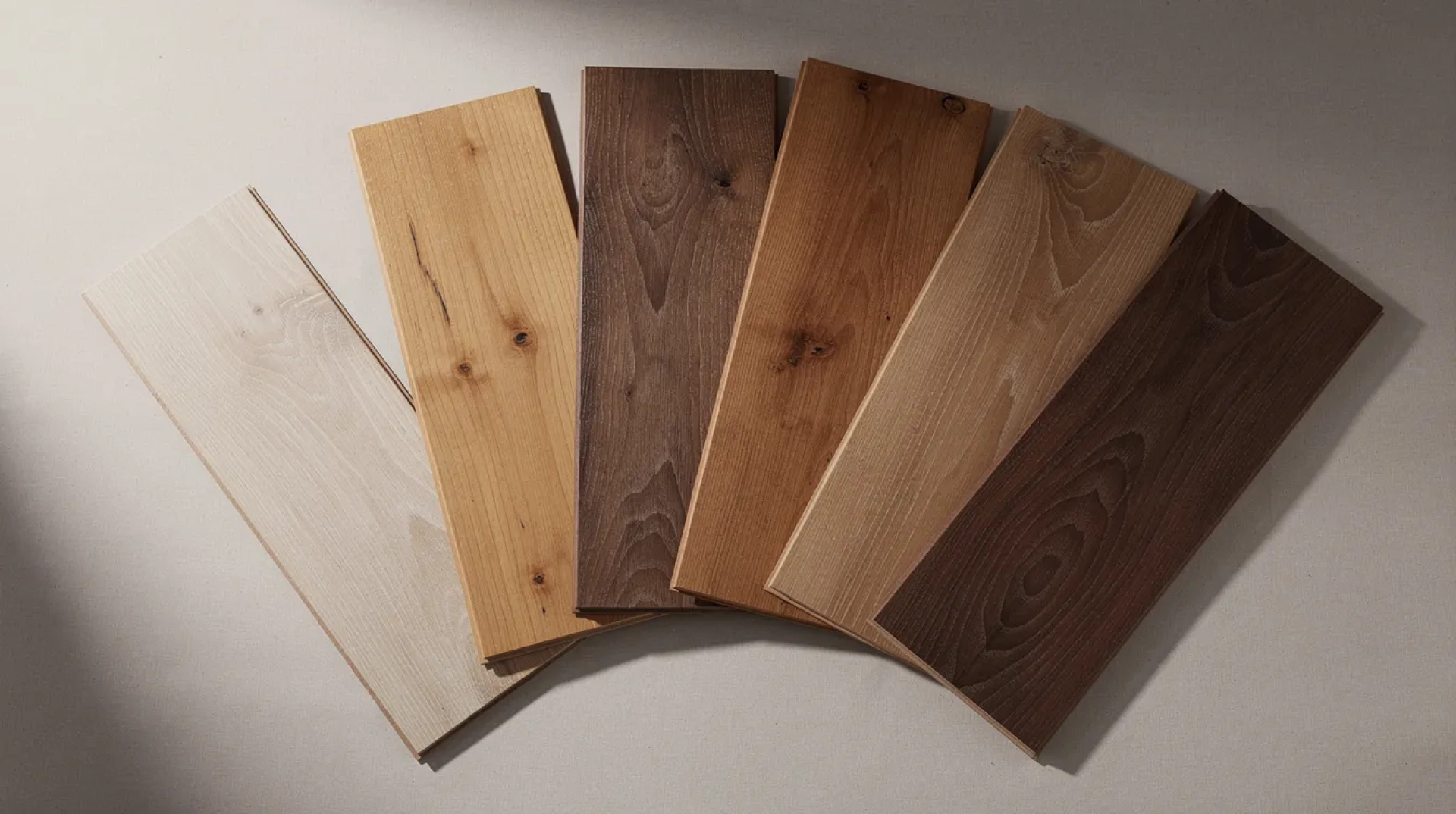
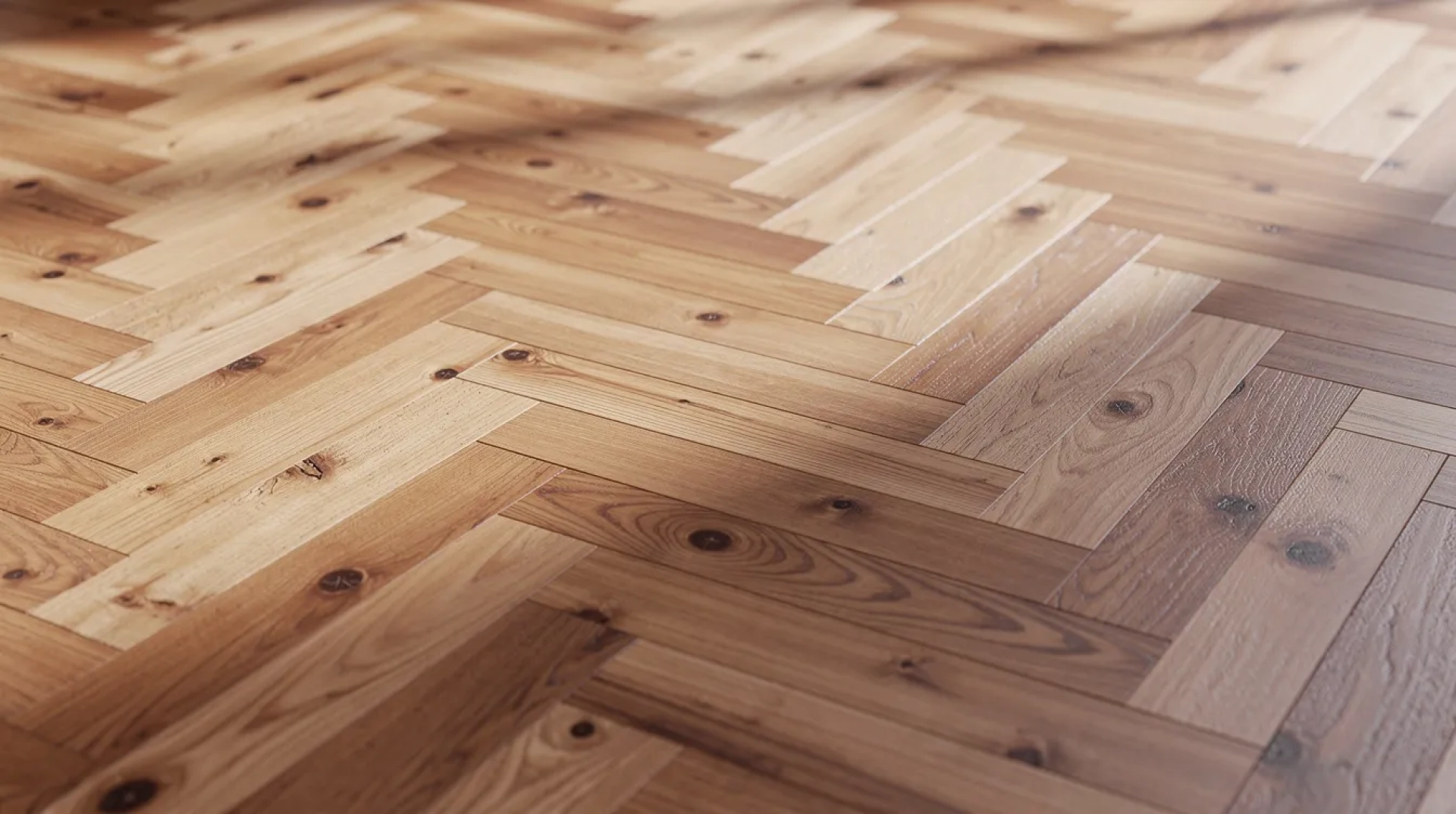
Herringbone flooring refers to a distinctive pattern of laying rectangular planks so they form a repeating zigzag or V shape across the floor. It’s not a specific product type but rather an installation method that works with various materials. The herringbone pattern gets its name from its fancied resemblance to the skeleton of a herring fish, where the bones on either side of the spine create a broken zigzag arrangement.
In UK and European homes, from Victorian terraces to modern apartments, herringbone style flooring adds visual interest and a sense of craftsmanship. The main herringbone flooring options in 2026 include engineered wood, solid wood, laminate, LVT, and ceramic or porcelain tiles.
What Makes a Floor ‘Herringbone’?
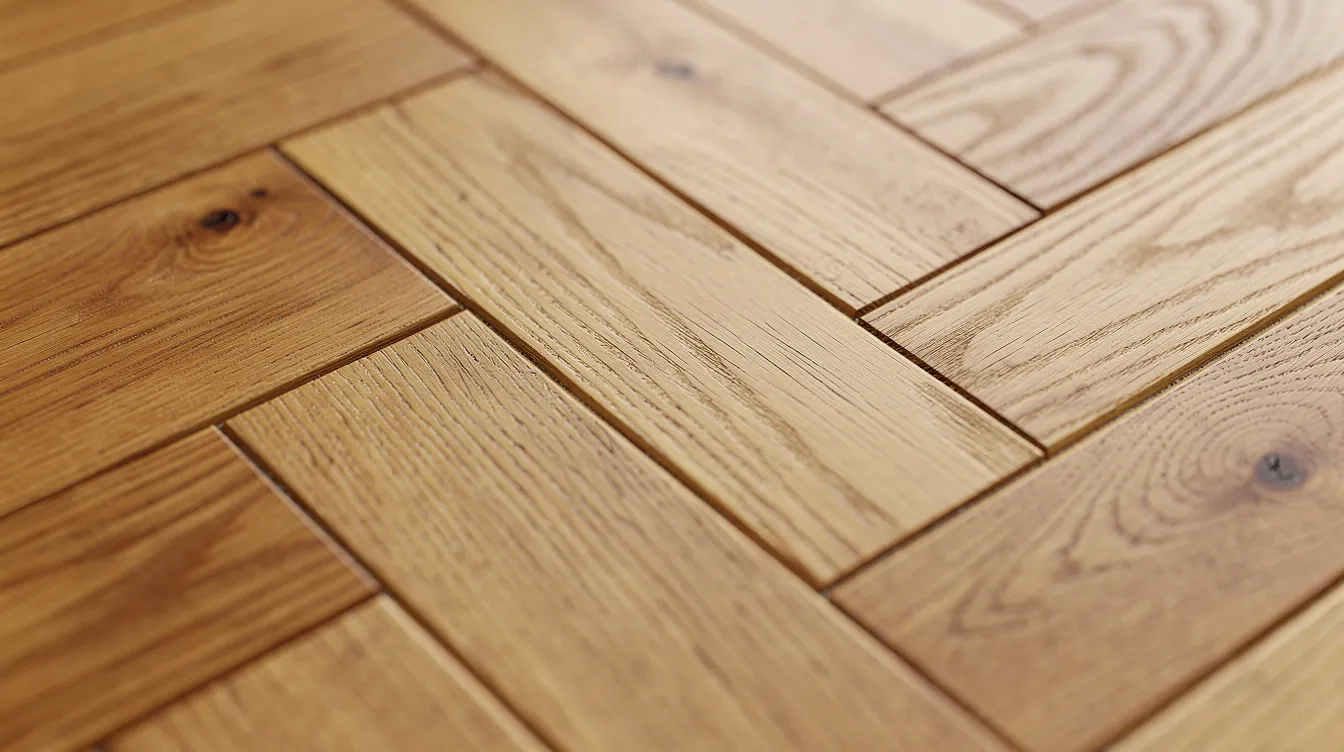
Herringbone is a specific parquet flooring pattern made from short, rectangular planks laid at 90-degree angles so they interlock in a broken zigzag. Each plank’s short end meets the long side of the adjacent plank, creating continuous V-shaped rows that never quite align.
This layout is one of several geometric patterns within parquet flooring. Others include chevron, basket weave, and brick bond, but classic herringbone remains the most recognisable in UK homes. The pattern works across wood species, LVT, laminate, and tiles, making it suitable for narrower spaces like hallways, living rooms, and open spaces alike.
Traditional herringbone typically uses a 5:1 length-to-width ratio, meaning a plank five times as long as it is wide. This creates the balanced, rhythmic appearance most homeowners associate with the style.
How Herringbone Is Different from Other Patterns
With straight plank flooring, boards run parallel in calm, linear rows. Think of railway tracks stretching into the distance. Herringbone, by contrast, creates constant movement and visual texture through its broken zigzag.
Each board appears to lock into the next, adding both aesthetic appeal and structural stability. This interlocking layout can help disguise small subfloor irregularities and minor gaps better than very long straight planks would. The pattern distributes foot traffic more evenly across the surface, potentially reducing visible wear paths in high-traffic areas.
A Brief History of Herringbone Flooring
Understanding why herringbone is considered a timeless design means looking at its centuries-long heritage. The arrangement dates back to the Roman Empire, where a similar brick pattern called opus spicatum was used for road surfaces around the 1st century AD.
During the Renaissance, wood parquet became a status symbol in European palaces. By the 16th century, herringbone floors graced aristocratic townhouses in France and Italy. The pattern spread across major cities, and by the 18th and 19th centuries, oak herringbone floors were standard in period properties throughout Paris, Vienna, and London.
This heritage explains why homeowners today choose herringbone to add a period feel even in new-build properties. It connects a modern home to centuries of design history.
Why the Pattern Is Called “Herringbone”
The name comes from the visual resemblance to a herring fish skeleton. The bones extend at angles from the central spine, creating that characteristic broken zigzag.
In traditional Italian parquetry, the term “spina pesce” (fish bone) described this same layout. It’s a small detail, but one that connects your flooring to a long tradition of craftsmanship.
Types of Herringbone Flooring Available Today
Herringbone flooring in 2026 refers to the pattern rather than one specific product. Your choice between materials depends on budget, room usage, and maintenance preferences.
The four main categories are real wood (solid and engineered), laminate, luxury vinyl tile (LVT), and tile or stone-effect herringbone. All can be supplied as herringbone-sized blocks, often with click or tongue-and-groove systems designed for patterned installation.
Real Wood Herringbone (Solid and Engineered)
Traditional parquet used solid wood blocks, typically oak, in thicknesses around 10-20mm. This option remains available for high-end projects and offers the authentic appeal of real wood that can be sanded and refinished multiple times over 40-80 years.
Engineered wood herringbone is the preferred choice for most modern spaces. It features a real wood wear layer (typically 3-6mm of oak or other wood types) bonded to a stable multi-ply or HDF core. This construction handles temperature fluctuations from central heating and works well with underfloor heating systems.
Typical plank sizes include 70 x 350mm or 100 x 500mm boards. Pros include authentic feel and 20-40 year lifespan. Cons include higher cost, more complex installation, and the need for acclimatisation before fitting.
Laminate Herringbone
Laminate herringbone offers a budget friendly way to achieve the timber look using a printed décor layer over an HDF core. Modern click-fit systems use left and right boards that lock together to form the pattern.
Key benefits:
-
Lower upfront cost than real wood
-
Strong scratch resistance
-
Easy cleaning for busy homes
-
Water-resistant “aqua” cores now available for kitchens
Limitations include the inability to sand or refinish, different sound and feel underfoot, and unsuitability for wet rooms. Typical lifespan runs 10-20 years with proper care.
LVT Herringbone (Luxury Vinyl Tile)
LVT herringbone planks consist of multiple vinyl layers with a printed wood or stone design and a wear layer (0.3-0.7mm for residential use). This makes them a popular choice for high-traffic areas where water resistant properties matter.
Available in glue-down or click formats, LVT herringbone offers:
-
Warm, quiet feel underfoot
-
Full compatibility with underfloor heating
-
Easy damp-mop cleaning
-
Realistic designs in natural oak, smoked oak, and contemporary greys
LVT typically lasts 15-25 years in domestic settings and creates a premium look without the maintenance demands of real wood.
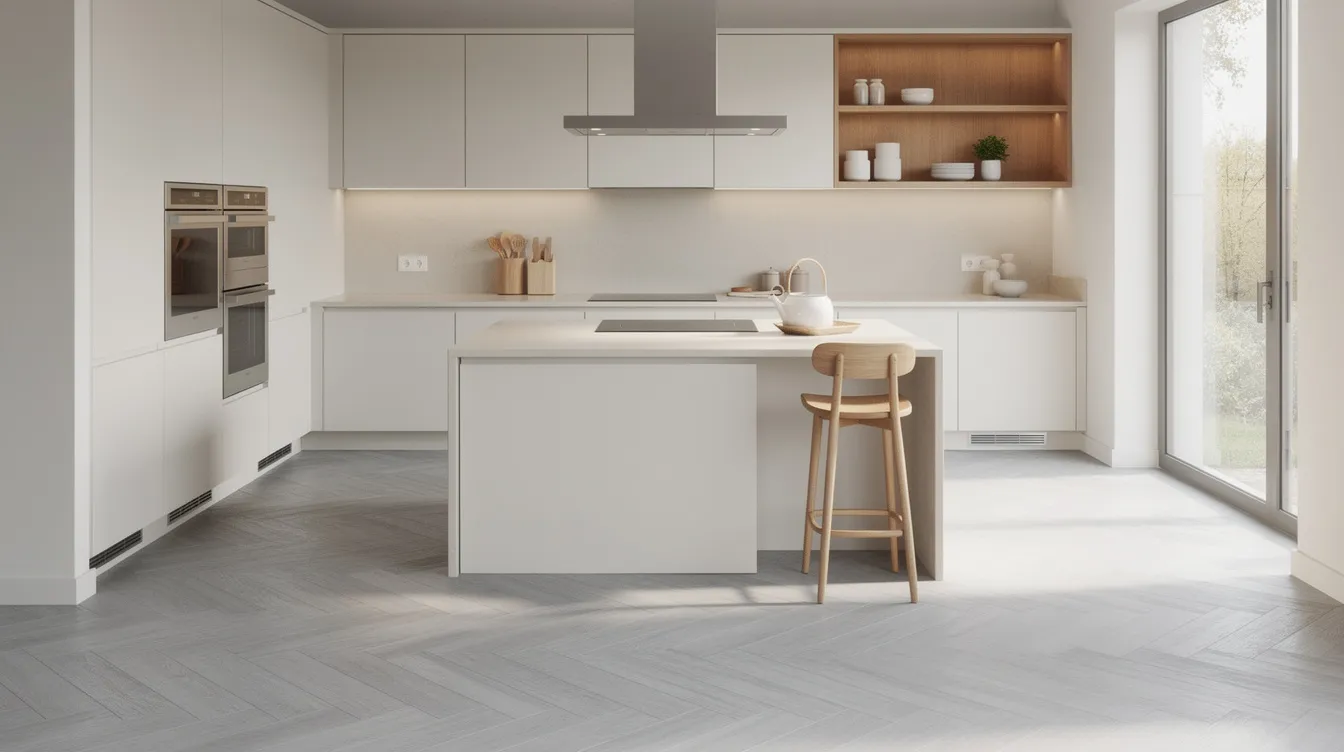
Tile and Stone-Effect Herringbone
Herringbone is a popular layout for ceramic, porcelain, and stone tiles in UK kitchens, bathrooms, and hallways. Typical formats include 60 x 240mm or 75 x 300mm tiles that can mimic timber planks or create contemporary stone aesthetics.
Tile herringbone is fully waterproof once grouted, extremely durable in wet rooms, and works perfectly with underfloor heating. The cooler, harder feel underfoot differs from wood or vinyl, which may influence room choice and rug placement. Grout colour significantly affects the final look—light grout creates a softer appearance while dark grout emphasises the pattern.
How Long Does Herringbone Flooring Last?
Lifespan depends on material choice, wear layer thickness, and maintenance habits. The interlocking nature of herringbone design can help distribute foot traffic and reduce visible wear compared to very long boards.
Correct installation on a flat, dry subfloor with appropriate adhesive or underlay is essential for longevity. A rushed installation leads to problems regardless of material quality.
Typical Lifespan by Material
|
Material |
Typical Lifespan |
Refinishing Potential |
|---|---|---|
|
Solid wood |
40-80+ years |
Multiple times |
|
Engineered wood |
20-40 years |
1-2 times (4mm wear layer) |
|
LVT |
15-25 years |
None |
|
Laminate |
10-20 years |
None |
|
Tile |
40+ years |
Grout resealing only |
Well-maintained engineered oak herringbone with a 4mm wear layer can often be sanded once or twice, extending service to 25-35 years. These figures compare favourably with straight plank installations of the same materials.
Caring for Herringbone Flooring
Maintenance routines differ by material, but prevention is always easier than repair. Door mats, felt pads under furniture, and regular cleaning protect your investment and keep the pattern looking crisp.
Daily and Weekly Maintenance Tips
-
Sweep or vacuum with a soft brush attachment several times weekly
-
Use door mats at entrances to trap grit
-
Wipe spills immediately with a soft, absorbent cloth
-
For wood floors: slightly damp microfibre mopping with pH-neutral cleaner
-
For LVT and tile: slightly wetter mopping is acceptable
-
Avoid steam mops on wood and laminate (may void warranties)
Long-Term Care and Refinishing
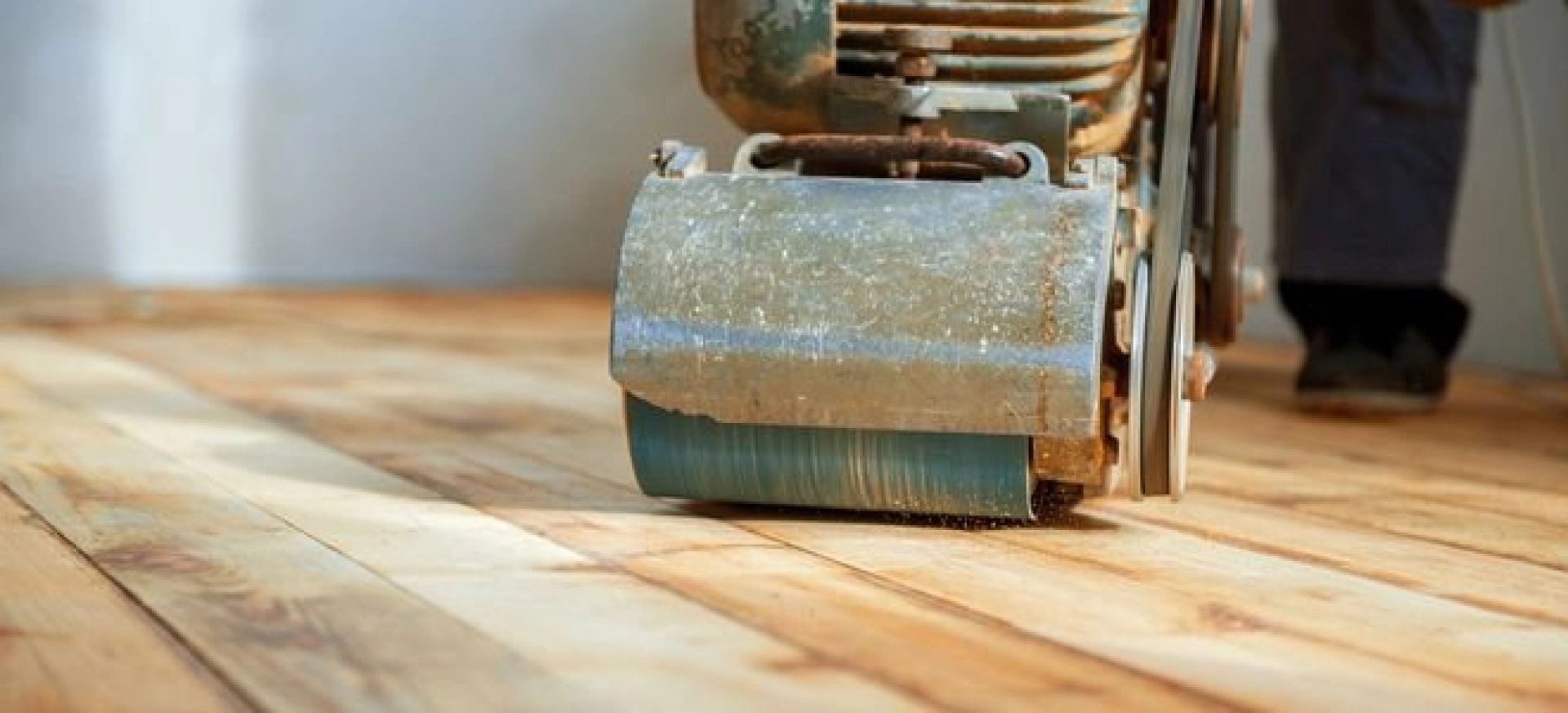
Real wood herringbone can be sanded and refinished when worn, though this is a bigger job on a patterned floor than on straight planks. Using rugs in high-traffic zones and entrance mats delays this work considerably.
Laminate and LVT cannot be sanded. Focus on consistent cleaning habits and replacing individual damaged planks where the system allows. Tile herringbone may need grout cleaning or resealing after several years in kitchens and bathrooms.
Herringbone vs Other Patterns (Parquet and Straight Planks)
Herringbone is one pattern within the broader parquet category, which simply means small wood or wood-effect pieces arranged in decorative patterns. Chevron, basket weave, and brick bond are alternatives, each with different visual impact and installation complexity.
The choice between herringbone and straight planks comes down to how much movement and character you want in the room.
Herringbone vs Chevron
Herringbone uses rectangular planks meeting at 90 degrees with a broken zigzag effect. Chevron boards are cut at angles (commonly 30°, 45°, or 60°) so ends meet in sharp points, creating continuous V shapes.
Chevron produces a sharper, more directional look that can make a room look longer. However, it requires precise cutting and fitting, often making installation more demanding. Herringbone is more forgiving of small fitting errors and subfloor deviations, making it a simpler installation for renovations.
Herringbone vs Straight Plank Flooring
Straight planks create a calm, linear appearance suited to minimalist interiors and smaller spaces. Herringbone adds charm and becomes a statement floor in its own right.
Both options can be equally durable when properly installed. The main differences are visual complexity, installation time, and cost. Straight planks suit ultra-modern schemes; herringbone suits both traditional space designs and contemporary interiors seeking added character.
Design Considerations: Size, Direction and Room Choice
How a herringbone floor looks depends on block size, laying direction, and interaction with room features. Planning before ordering helps avoid awkward edge cuts and ensures the pattern aligns with your focal point.
Choosing Herringbone Block Size
Smaller blocks (around 70 x 280mm) create a more intricate, traditional look. Larger boards (100 x 600mm) feel more contemporary and less busy. In compact rooms, mid-sized boards balance detail with visual calm—very small pieces can overwhelm a smaller space.
The classic 5:1 length-to-width ratio remains the perfect match for balanced herringbone.
Direction of the Herringbone Pattern
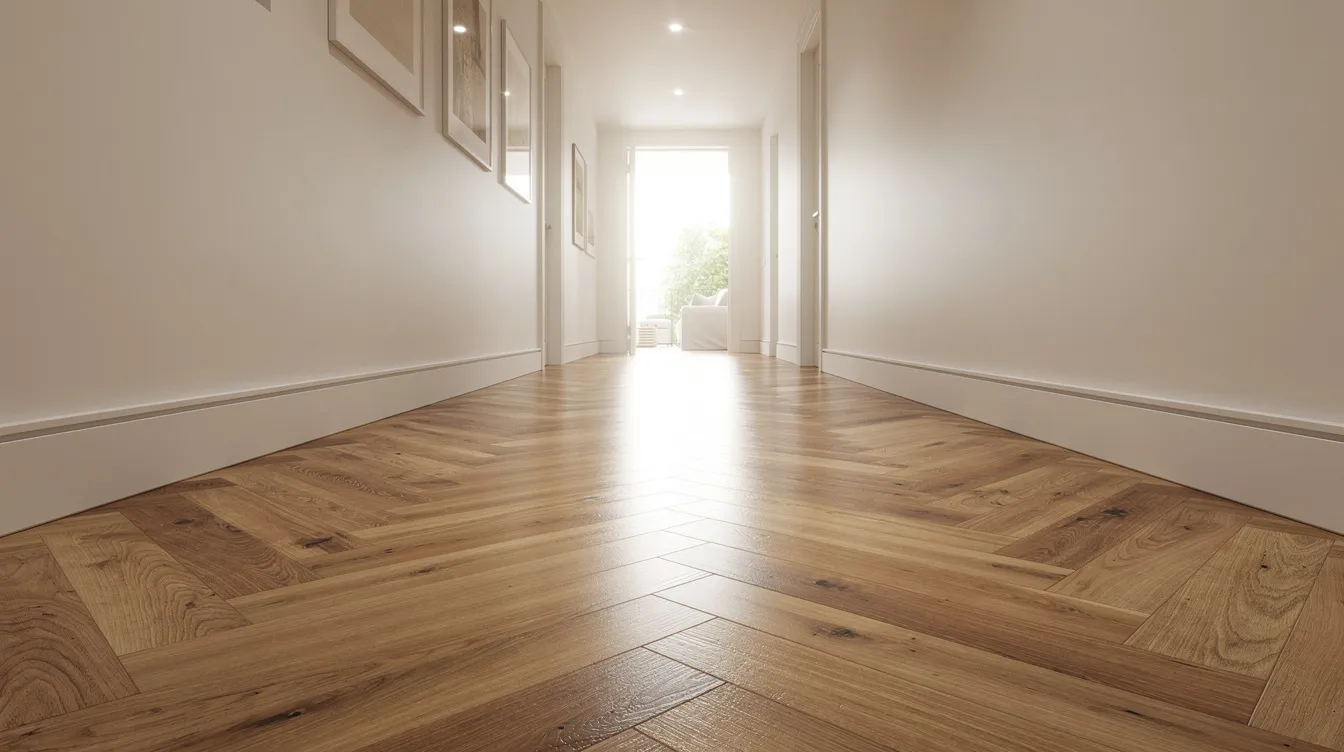
Common practice involves laying the “points” towards a major focal point such as a fireplace or bay window. In long corridors, running the pattern lengthways helps guide the eye, making rooms feel longer.
Open-plan areas often benefit from aligning the pattern with natural light sources. In historic homes with irregular walls, borders can hide out-of-square angles.
Where Herringbone Works Best in the Home
-
Living rooms and dining areas: Wood or LVT herringbone creates elegance
-
Hallways: Herringbone suits high-traffic areas when material is appropriate
-
Kitchens: LVT or tile for practicality; engineered wood if well-ventilated
-
Bathrooms: Porcelain or ceramic tile is the safest waterproof choice
-
Commercial settings: LVT offers durability and easy maintenance
Consider acoustic underlays in flats to soften sound, especially over concrete subfloors.
Benefits and Drawbacks of Herringbone Flooring
Herringbone offers strong visual appeal and long-term value but involves higher planning demands than new flooring in straight plank format. Understanding both sides helps you decide if it suits your design vision and budget.
Main Advantages of Herringbone Flooring
-
Creates a statement floor with movement and craftsmanship
-
Can visually widen narrow hallways and elongate large spaces
-
Works with both period décor and modern trends
-
Quality herringbone is often a preferred choice in UK property listings
-
Interlocking layout creates dimensional stability
Potential Disadvantages to Consider
-
Higher installation cost due to labour time and material wastage
-
DIY friendly it is not—professional fitting strongly recommended
-
Busy pattern can overwhelm heavily furnished rooms
-
Repairs may require removing multiple boards
-
Requires careful planning of colour, block size, and layout
Is Herringbone Flooring a Timeless Choice?
Herringbone has been used for centuries and remains widely specified in 2026. Its continued popularity in both high-end renovations and new-build interiors across the UK supports its reputation as a timeless look rather than a passing trend.
Different finishes keep it current: light oak for Scandinavian schemes, warm mid-tones for period homes, and darker stains for formal rooms. The pattern itself is a classic design, so personal taste in colour and finish matters most.
Whether you’re renovating a Victorian terrace or fitting out a modern home, herringbone offers visual impact alongside practical durability. Weigh the pattern, material, and budget together when deciding if herringbone flooring is the right design choice for your next room.