Choosing the right parquet flooring can transform the look, feel, and value of your home. With so many styles, wood types, finishes, and installation methods available, it is important to understand what makes one parquet floor more suitable than another. At 7braci.com, our experience in wooden floors and joinery shows that the best parquet flooring is not just about appearance. It should also suit your lifestyle, the room it is being fitted in, and the level of maintenance you are happy to carry out.
This guide explains how to choose parquet flooring in a practical and easy way, helping you make the right decision for your property. Whether you are renovating a period home, designing a modern interior, or upgrading a busy family space, the right parquet flooring can provide long-lasting beauty and durability.
1. Consider the Room Where the Flooring Will Be Installed
The first step in choosing parquet flooring is to think about the room itself. Different rooms have different levels of foot traffic, moisture, and daily wear. A hallway or kitchen will need a more durable floor than a bedroom or study. If you are choosing parquet flooring for a living room, you may prioritise visual appeal and comfort. For high-traffic areas, durability and ease of maintenance become more important.
Moisture is another key factor. Solid wood parquet is not usually suitable for areas with high humidity or temperature changes, such as bathrooms. Engineered parquet flooring is often a better option in these cases because it is more stable and less likely to move with changes in the environment.
2. Decide Between Solid and Engineered Parquet Flooring
One of the most important choices is whether to select solid parquet flooring or engineered parquet flooring. Solid parquet is made from one piece of wood, offering a traditional feel and the ability to be sanded and refinished multiple times over its lifetime. It is a popular choice for period properties and homeowners who want an authentic wooden floor.
Engineered parquet flooring has a top layer of real hardwood bonded to layers of plywood or other stable materials. This construction makes it more resistant to changes in temperature and moisture, which is useful for modern homes and underfloor heating systems. Engineered parquet can still look and feel like a real wood floor, while offering added practicality.
If you are unsure which is best, consider the age of your property, the condition of the subfloor, and the amount of maintenance you want. A wooden floor specialist can help assess which option is most suitable.
3. Choose the Right Wood Species
The type of wood you choose will affect the appearance, hardness, and longevity of your parquet flooring. Oak is one of the most popular choices because it is strong, versatile, and has a timeless grain. It works well in both traditional and contemporary interiors. Walnut offers a richer, darker tone for a more luxurious look, while ash provides a lighter and more contemporary finish.
Harder woods are generally better for busy areas because they resist dents and scratches more effectively. Softer woods may offer a more affordable option but can show wear more quickly. When choosing parquet flooring, think not only about colour but also about how the wood will perform in everyday use.
4. Select a Pattern That Suits Your Style
Parquet flooring is known for its decorative patterns, and this is one of the main reasons homeowners choose it. The pattern you select can dramatically change the feel of a room. Herringbone parquet is one of the most popular styles and adds movement and sophistication. Chevron creates a more modern, bold look with its angled, continuous lines. Basketweave and brick patterns can offer a more classic or traditional appearance.
If your room is small, a subtle pattern in a lighter tone may help create a sense of space. In larger rooms, a more detailed parquet pattern can become a strong design feature. Think about whether you want the floor to stand out or complement other interior elements such as furniture, wall colours, and skirting boards.
5. Think About Colour and Finish
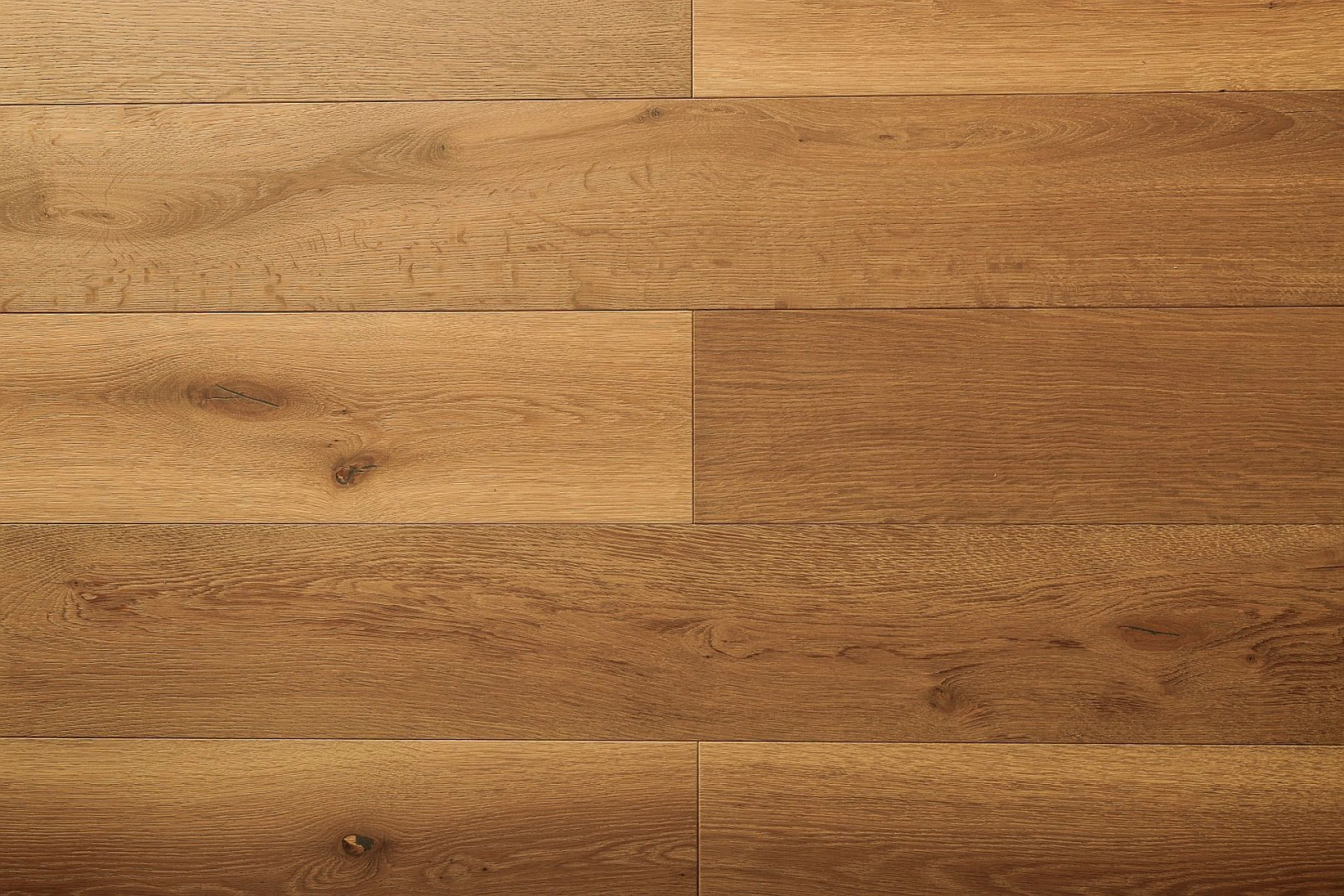
The colour of your parquet flooring will have a major impact on the atmosphere of the room. Light wood tones can make a space feel brighter and more open, while dark parquet flooring often creates a more elegant and dramatic look. Mid-tones are often the most versatile and work well in a wide range of interiors.
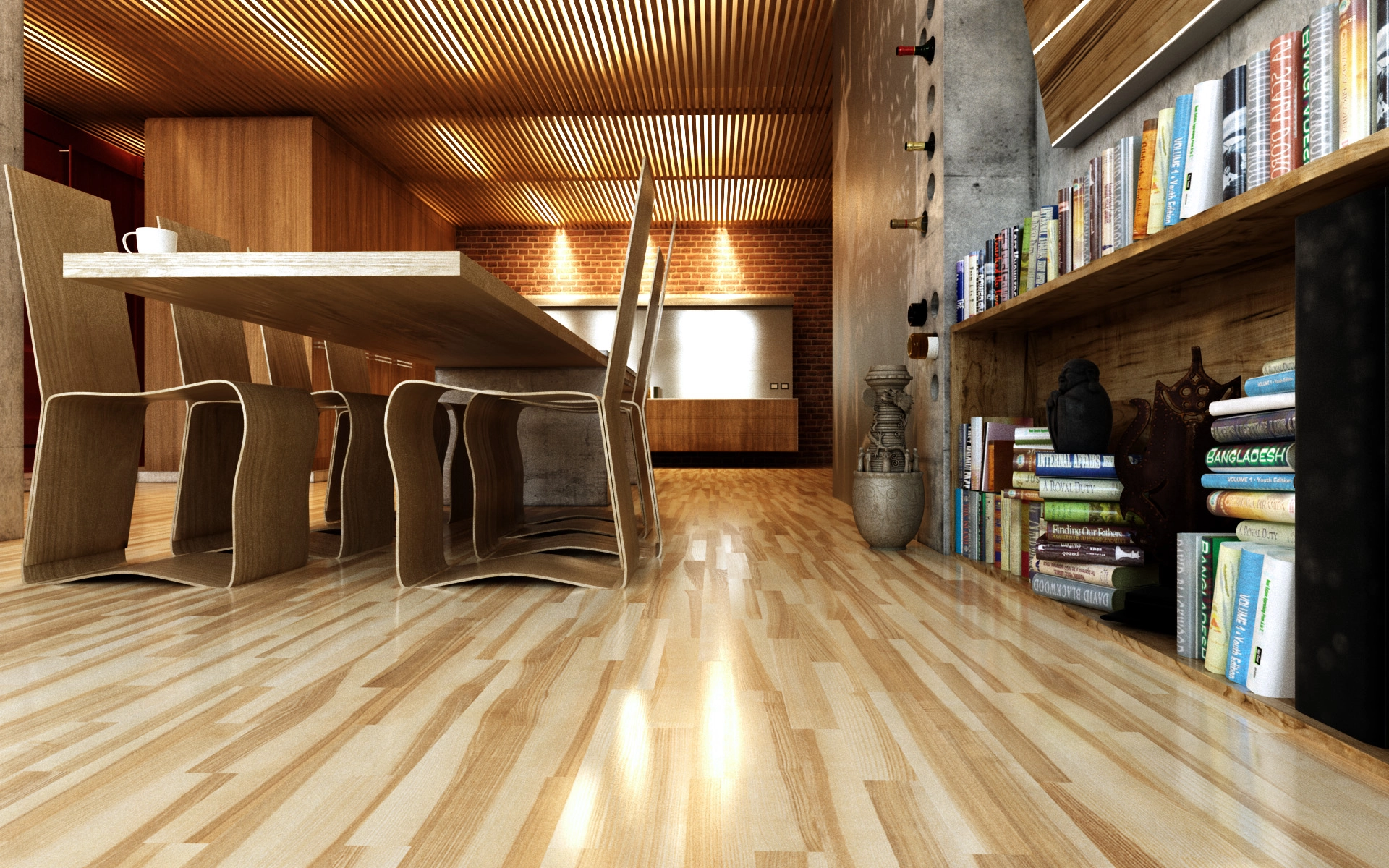
The finish is equally important. A matt or satin finish usually gives a more natural and modern appearance, while a glossy finish can reflect more light and make the floor stand out. Oiled finishes bring out the natural texture of the wood and are often easier to touch up, while lacquered finishes may offer stronger surface protection. When choosing parquet flooring, consider both aesthetics and maintenance.
6. Check Compatibility with Underfloor Heating
If your home has underfloor heating, you must ensure the parquet flooring you choose is suitable. Not all wood floors perform well with heat changes. Engineered parquet flooring is often the preferred choice because it is more dimensionally stable. Solid parquet can sometimes be used, but it requires careful planning and professional installation.
It is important to choose a floor that is specifically approved for use with underfloor heating and to follow the correct temperature guidelines. This helps prevent warping, gapping, or damage over time.
7. Consider Maintenance and Long-Term Care
Before deciding on parquet flooring, think about how much care you are willing to give it. All wooden floors require some maintenance, but some finishes and wood types are easier to look after than others. Families with children or pets may prefer a durable finish that is easier to clean and more resistant to marks.
Regular sweeping or vacuuming, prompt cleaning of spills, and occasional re-oiling or refinishing will help keep parquet flooring looking its best. If you want a floor that can be restored in the future, solid parquet and thicker engineered parquet boards are both excellent choices.
8. Set a Realistic Budget
Budget is always a factor when choosing parquet flooring. Costs can vary depending on the wood species, pattern, thickness, and finish. More intricate patterns and premium hardwoods usually cost more. However, it is important to look beyond the initial price and consider the long-term value.
A higher-quality parquet floor may last many years longer and offer better performance, making it a smarter investment. Also remember to include installation, subfloor preparation, and finishing in your budget. Professional fitting is strongly recommended for parquet flooring because the quality of installation has a major effect on the final result.
9. Work with a Wooden Floor Specialist
Parquet flooring is a specialist product, and expert advice can make a big difference. A wooden floor specialist can help you choose the right board thickness, pattern, wood species, and finish based on your property and preferences. They can also inspect your subfloor, advise on underfloor heating compatibility, and ensure the flooring is installed correctly.
At 7braci.com, we understand that choosing parquet flooring is a balance between design, performance, and practicality. Professional guidance helps avoid costly mistakes and ensures your new floor looks beautiful for years to come.
Final Thoughts
To choose the right parquet flooring, start by considering the room, your lifestyle, and the style you want to achieve. Decide between solid and engineered parquet, select a suitable wood species, and choose a pattern and finish that match your interior. Think about durability, maintenance, underfloor heating, and budget before making your final decision.
With the right advice and quality installation, parquet flooring can become one of the most attractive and long-lasting features in your home. If you are looking for expert wooden floor and joinery services, 7braci.com can help you find the perfect parquet flooring solution.