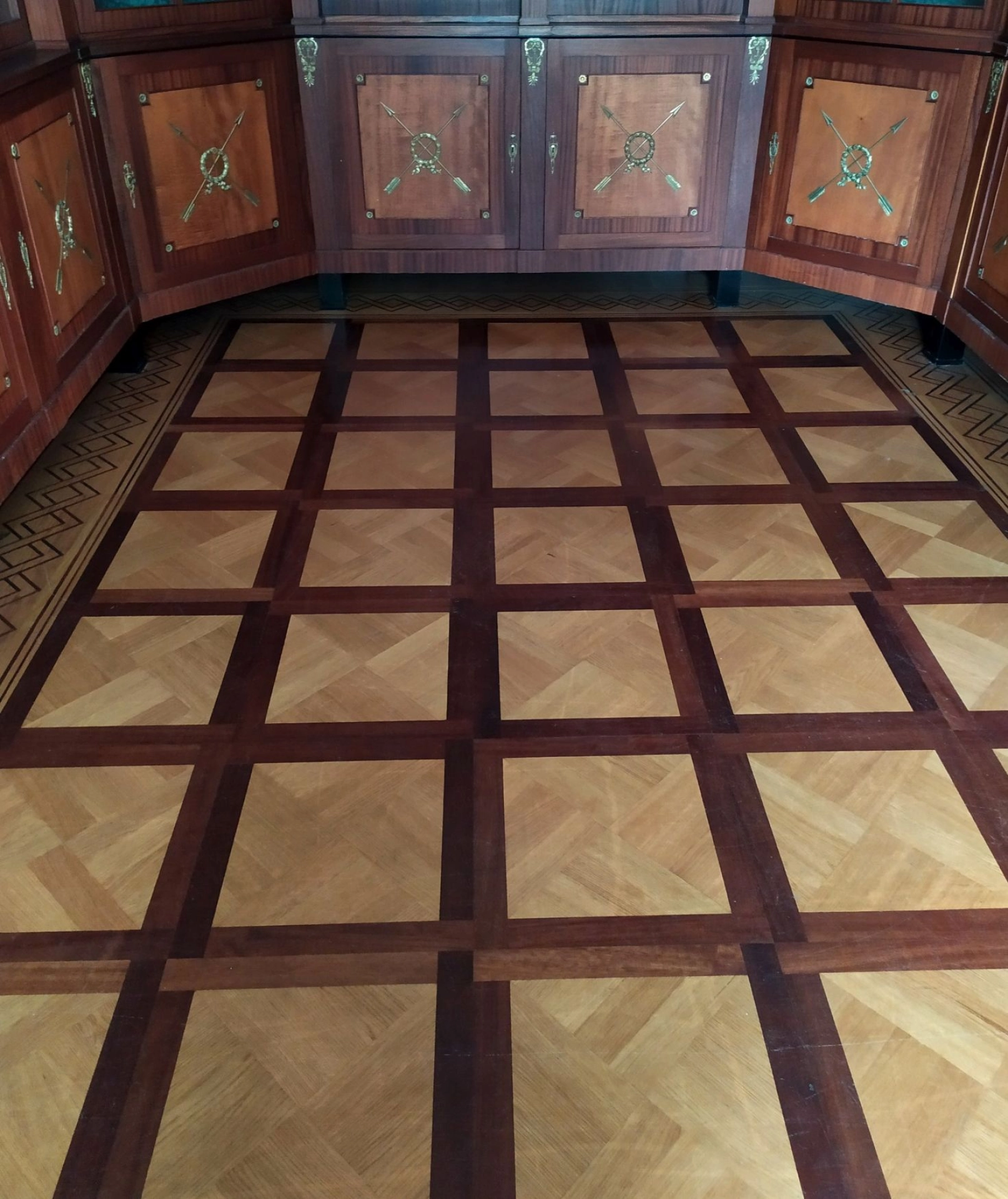
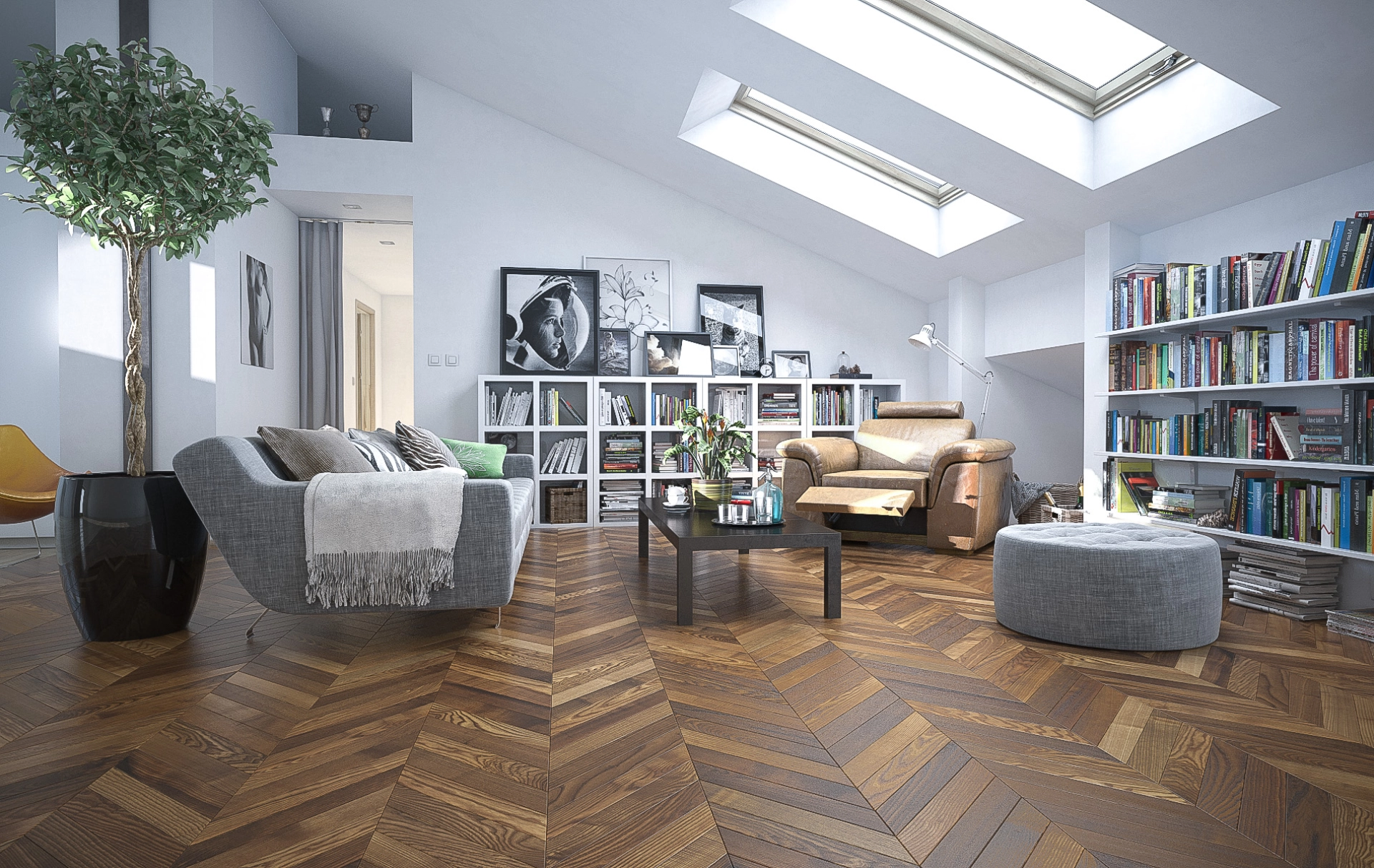
Polishing wood flooring is one of the best ways to restore shine, protect the surface, and keep your home looking polished and well cared for. Whether you have solid wood floors, engineered wood flooring, or older timber boards, the right polishing routine can make a huge difference to both appearance and durability. As wooden floor specialists and joinery experts, we often see floors transformed simply by using the correct preparation, products, and technique.
If you are searching for the best way to polish wood flooring, the key is to understand the type of finish your floor has. Not all wooden floors should be polished in the same way. Some need a dedicated wood polish or maintenance oil, while others may require cleaning and buffing rather than traditional waxing. Using the wrong product can leave the surface slippery, cloudy, or even damaged. This guide explains how to polish wood flooring safely and effectively.
Why Polish Wood Flooring?
Wood flooring naturally adds warmth, character, and value to a property, but over time it can begin to lose its sheen due to foot traffic, dust, cleaning products, and general wear. Polishing helps restore a smooth, attractive finish while adding a light protective layer to the surface. It can also reduce the appearance of minor scuffs and keep your flooring looking fresher for longer.
Regular polishing is especially useful in busy areas such as hallways, kitchens, living rooms, and commercial spaces. It supports the long-term maintenance of the floor and can help delay the need for more intensive restoration work. If your floor is starting to look dull but is otherwise in good condition, polishing is often the ideal solution.
Check the Type of Wood Floor First
Before you polish wood flooring, identify the finish. This is the most important step. Different finishes require different care:
Lacquered or varnished floors usually need a surface polish or a floor restorer made for sealed wood floors. These products add shine without soaking into the timber.
Oiled floors should be treated with a maintenance oil or wood floor oil polish designed to nourish the surface and maintain the protective finish.
Waxed floors may need a wax-based polish, but these floors are less common in modern homes.
Unfinished wood should not be polished until it has been properly sealed or finished.
If you are unsure what finish your floor has, test a small hidden area or speak to a wooden floor specialist before applying any product across the whole surface.
How to Prepare Wood Flooring for Polishing
Preparation is essential for a smooth, even result. Start by removing all furniture, rugs, and loose items from the room. Sweep or vacuum the floor thoroughly to remove dust, grit, and debris. Small particles left on the surface can scratch the wood during polishing.
Next, clean the floor using a wood floor cleaner that is suitable for your finish. Avoid using excessive water, steam mops, or harsh household detergents, as these can damage the timber or strip the protective coating. A lightly damp microfiber mop is usually the safest option.
Once the floor is clean, allow it to dry completely. Polishing should never be done on a damp floor, as moisture can prevent the polish from bonding properly and may lead to streaks or patchy results.
Best Way to Polish Wood Flooring
The best way to polish wood flooring is to apply a product specifically made for your type of finish, then buff it evenly using a clean microfiber pad or polishing mop. Always follow the manufacturer’s instructions, but the general process is similar for most products.
Start in one corner of the room and work your way toward the exit. Apply a small amount of polish at a time, spreading it thinly and evenly. Do not overapply, as too much product can create a sticky build-up or dull residue. A thin coat is usually enough to improve shine and protection.
Once applied, buff the surface gently to create an even finish. Some products require manual buffing, while others can be polished using a floor buffer or low-speed machine for larger areas. If you are polishing a large open-plan room or commercial floor, professional equipment may provide a more consistent result.
Can You Polish Wood Flooring by Hand?
Yes, you can polish wood flooring by hand, and for many homes this is the simplest option. Hand polishing works well for smaller rooms or for spot maintenance between deeper cleaning sessions. Using a microfiber mop or soft cloth allows you to control the amount of product applied and reduces the risk of over-polishing.
For best results, use smooth, overlapping movements and keep the layer of polish light. Allow the product to dry fully before walking on the floor. Depending on the polish used, you may need to leave the room unused for a short period while the finish cures.
How Often Should Wood Flooring Be Polished?
The frequency depends on foot traffic and the type of floor. In a typical home, polishing every few months may be enough to maintain a healthy appearance. High-traffic areas may need more frequent attention, while bedrooms and low-use rooms may require less.
It is better to polish lightly and regularly than to wait until the surface is badly worn. This approach helps preserve the finish and prevents dirt from becoming embedded. If a floor starts to look permanently dull, scratched, or uneven, polishing alone may not be sufficient and sanding or refinishing could be required.
Common Mistakes to Avoid
One of the most common mistakes when polishing wood flooring is using too much product. Excess polish can create a slippery surface and attract dust. Another mistake is polishing a dirty floor, which can trap grit and cause scratches.
It is also important to avoid generic sprays or silicone-heavy products unless they are approved for your floor type. Some products can leave a film that is difficult to remove and may interfere with future refinishing. Never use bleach, ammonia, or abrasive cleaners on wood flooring, as these can damage the finish and discolour the timber.
Finally, avoid polishing a floor that is already peeling, heavily scratched, or water damaged. In these cases, a professional assessment is usually the best next step.
When to Call a Wooden Floor Specialist
If your wood flooring has lost its shine despite regular polishing, or if you notice deep scratches, gaps, cupping, or signs of wear, it may be time to consult a wooden floor specialist. Professional floor care can include deep cleaning, buffing, recoating, repairs, sanding, and refinishing.
At 7braci.com, our wooden floor specialists and joinery team understand how to care for all types of timber flooring. We can help determine the right maintenance approach for your floor, whether that means polishing, restoring, or carrying out more advanced joinery and flooring work. If you want a long-lasting result, expert advice can save time and prevent costly mistakes.
Final Thoughts
Polishing wood flooring is a simple and effective way to maintain its natural beauty and extend its life. The best results come from proper preparation, the right product, and careful application. By identifying your floor type and avoiding common mistakes, you can keep your wooden floors looking clean, bright, and well maintained.
If you need help restoring your wood flooring or want professional guidance from experienced wooden floor specialists, 7braci.com is here to help. With the right care, your wood floors can continue to look their best for many years to come.