Engineered wood flooring is a type of real wood flooring made from multiple layers of timber, designed to offer the natural beauty of hardwood with improved stability and performance. Unlike solid wood flooring, which is made from one piece of timber, engineered wood flooring combines a top layer of genuine hardwood with a core of high-quality plywood or fibreboard layers. This layered construction makes it a popular choice for homes and commercial spaces where durability, versatility, and a premium finish matter.
For homeowners looking for a stylish and long-lasting flooring solution, engineered wood flooring provides the look and feel of traditional timber while being more resistant to changes in temperature and humidity. At 7braci.com, wooden floor specialists and joinery experts understand that choosing the right floor is about more than appearance — it is about performance, installation options, and long-term value.
How Is Engineered Wood Flooring Made?
Engineered wood flooring is manufactured using a layered structure. The top surface, known as the wear layer or veneer, is made from real hardwood such as oak, walnut, ash, or maple. This is the visible layer that gives the floor its natural grain, texture, and character.
Underneath the top layer are several core layers, usually made from plywood, softwood, or high-density fibreboard. These layers are arranged in a cross-grain construction, meaning each layer runs in a different direction. This design helps reduce movement in the floor caused by moisture and temperature changes. The result is a floor that looks like solid wood but performs better in many environments.
The thickness of the wear layer and the quality of the core construction are important factors when choosing engineered wood flooring. A thicker wear layer allows for sanding and refinishing in the future, while a strong core improves stability and lifespan.
What Are the Main Benefits of Engineered Wood Flooring?
One of the biggest advantages of engineered wood flooring is its stability. Because of its layered construction, it is less likely to expand, contract, warp, or cup compared to solid wood. This makes it suitable for areas where conditions may fluctuate, such as kitchens, hallways, and rooms with underfloor heating.
Another major benefit is its natural appearance. Since the top surface is genuine hardwood, engineered wood flooring offers the same warmth, texture, and elegance as solid timber. Each plank has unique grain patterns and tones, creating a timeless finish that works well in both modern and traditional interiors.
Engineered wood flooring is also highly versatile. It can be installed in a variety of ways, including floating, glued down, or nailed down, depending on the subfloor and the product specification. This flexibility makes it a practical option for many property types, from new builds to period homes and renovations.
In addition, engineered flooring is often easier to install than solid wood flooring. Many products come with click-lock systems or prefinished surfaces, reducing installation time and the need for on-site finishing. This can make the process more efficient for both homeowners and flooring professionals.
Is Engineered Wood Flooring Real Wood?
Yes, engineered wood flooring is real wood. The top layer is made from authentic hardwood, not a printed imitation or vinyl effect. This means you still get the natural beauty, texture, and character of timber underfoot. The difference is in the construction, where the layered core provides additional strength and stability.
Some people assume engineered wood is a lesser product because it is not solid throughout, but this is not the case. In many settings, engineered wood flooring is the preferred choice because it combines natural timber aesthetics with enhanced practicality. It is a premium flooring option in its own right.
Where Can Engineered Wood Flooring Be Used?
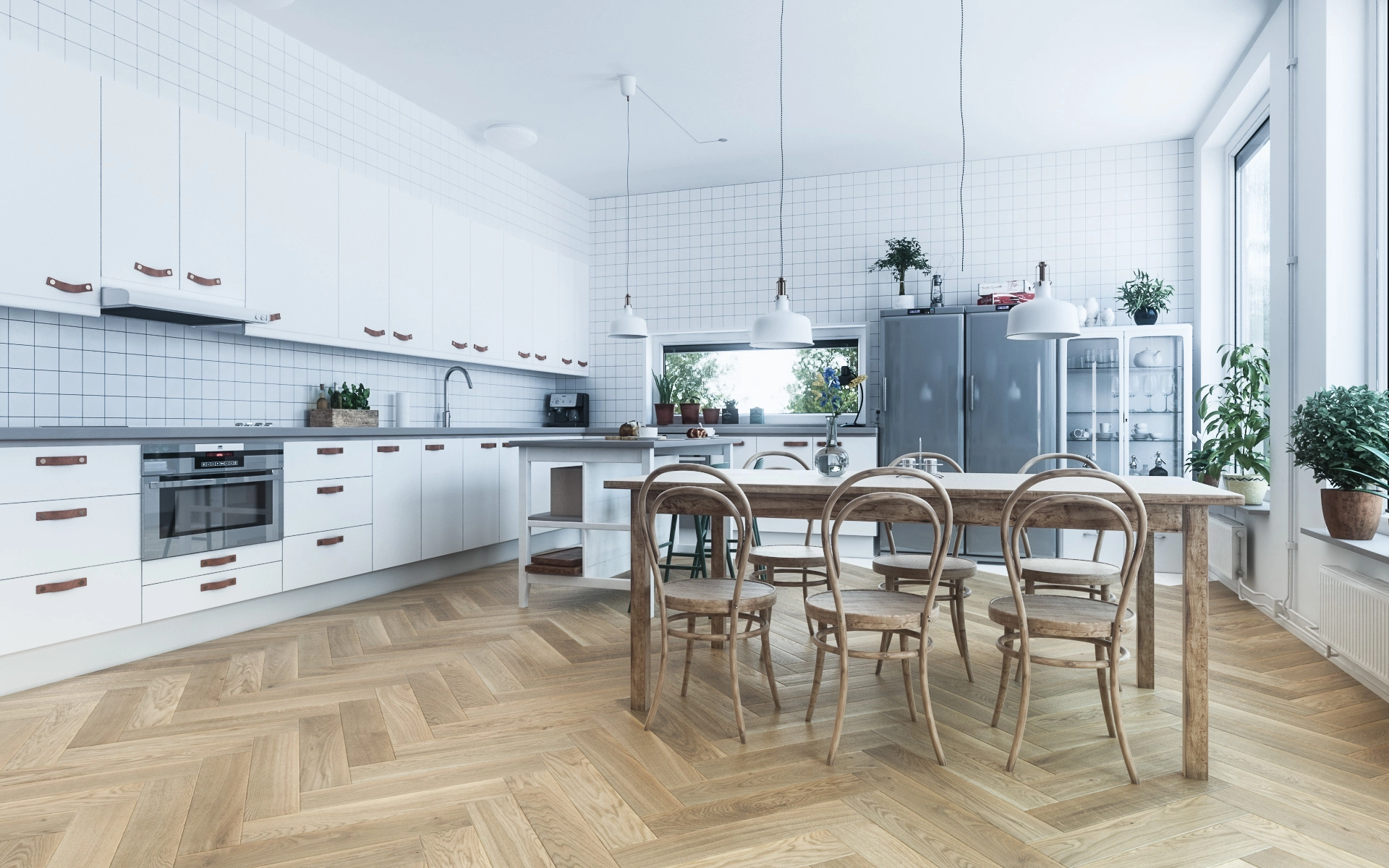
Engineered wood flooring can be used in almost any room in the home, provided the correct product and installation method are chosen. It is commonly installed in living rooms, dining rooms, bedrooms, hallways, and home offices. It is also suitable for some kitchens and other areas where moisture levels are controlled.
Because it is more dimensionally stable than solid wood, engineered flooring is often recommended for properties where solid hardwood may not be ideal. It can also work well over underfloor heating systems, as long as the flooring is compatible and properly installed. This makes it a practical and attractive choice for contemporary homes.
In commercial environments, engineered wood flooring offers a professional and welcoming finish. It is used in offices, hospitality spaces, boutique retail settings, and other interiors where appearance and durability are both important.
How Long Does Engineered Wood Flooring Last?
The lifespan of engineered wood flooring depends on several factors, including the quality of the product, the thickness of the wear layer, the level of foot traffic, and how well it is maintained. A well-made engineered floor can last for many years, and in some cases decades, especially when cared for properly.
Floors with a thicker hardwood wear layer may be sanded and refinished one or more times, extending their life further. Routine cleaning, protection from excess moisture, and the use of furniture pads all help preserve the floor’s appearance. With the right care, engineered wood flooring can remain beautiful and functional for a very long time.
How Do You Maintain Engineered Wood Flooring?
Maintaining engineered wood flooring is straightforward. Regular sweeping or vacuuming helps remove dust and grit that could scratch the surface. For deeper cleaning, a damp mop and a cleaner suitable for wood floors should be used, but excessive water should always be avoided.
It is important to wipe up spills quickly and protect the surface from sharp objects, heavy impacts, and dragging furniture. Using rugs in high-traffic areas can help reduce wear, and felt pads under furniture legs can prevent scratches. Following these simple steps will help keep the floor looking its best.
Unlike some other flooring types, engineered wood does not usually require complicated maintenance routines. This ease of care is one of the reasons it remains such a popular choice for busy households and property owners.
Engineered Wood Flooring vs Solid Wood Flooring
When comparing engineered wood flooring with solid wood flooring, the main difference is structure. Solid wood is made from one piece of timber, while engineered wood has multiple layers with a hardwood top. Both options use real wood and offer a premium finish, but they perform differently.
Solid wood flooring is often chosen for its traditional appeal and the ability to be sanded many times. However, it can be more sensitive to environmental changes. Engineered wood flooring offers greater stability and is often better suited to modern living conditions, especially where underfloor heating or variable humidity is involved.
For many property owners, engineered wood flooring provides the best balance of appearance, practicality, and performance.
Why Choose Engineered Wood Flooring?
Engineered wood flooring is ideal for anyone who wants the natural elegance of wood with added durability and flexibility. It offers a high-end look, works in a wide range of spaces, and is suitable for both classic and contemporary interiors. Its layered construction makes it a smart choice for modern homes, while its real wood finish ensures lasting style.
If you are considering a new floor and want expert advice on the best solution for your space, engineered wood flooring is certainly worth exploring. With the right product and professional installation, it can transform a room and add long-term value to your property.
Choose 7braci for Expert Wooden Flooring Advice
At 7braci.com, we specialise in wooden flooring and joinery solutions tailored to your home or business. Whether you are comparing engineered wood flooring options, looking for installation guidance, or planning a complete floor replacement, our expertise can help you make the right choice.
Engineered wood flooring continues to be one of the most popular flooring options in the UK because it combines natural beauty with everyday practicality. If you want a floor that looks exceptional and performs brilliantly, engineered wood flooring could be the perfect solution.