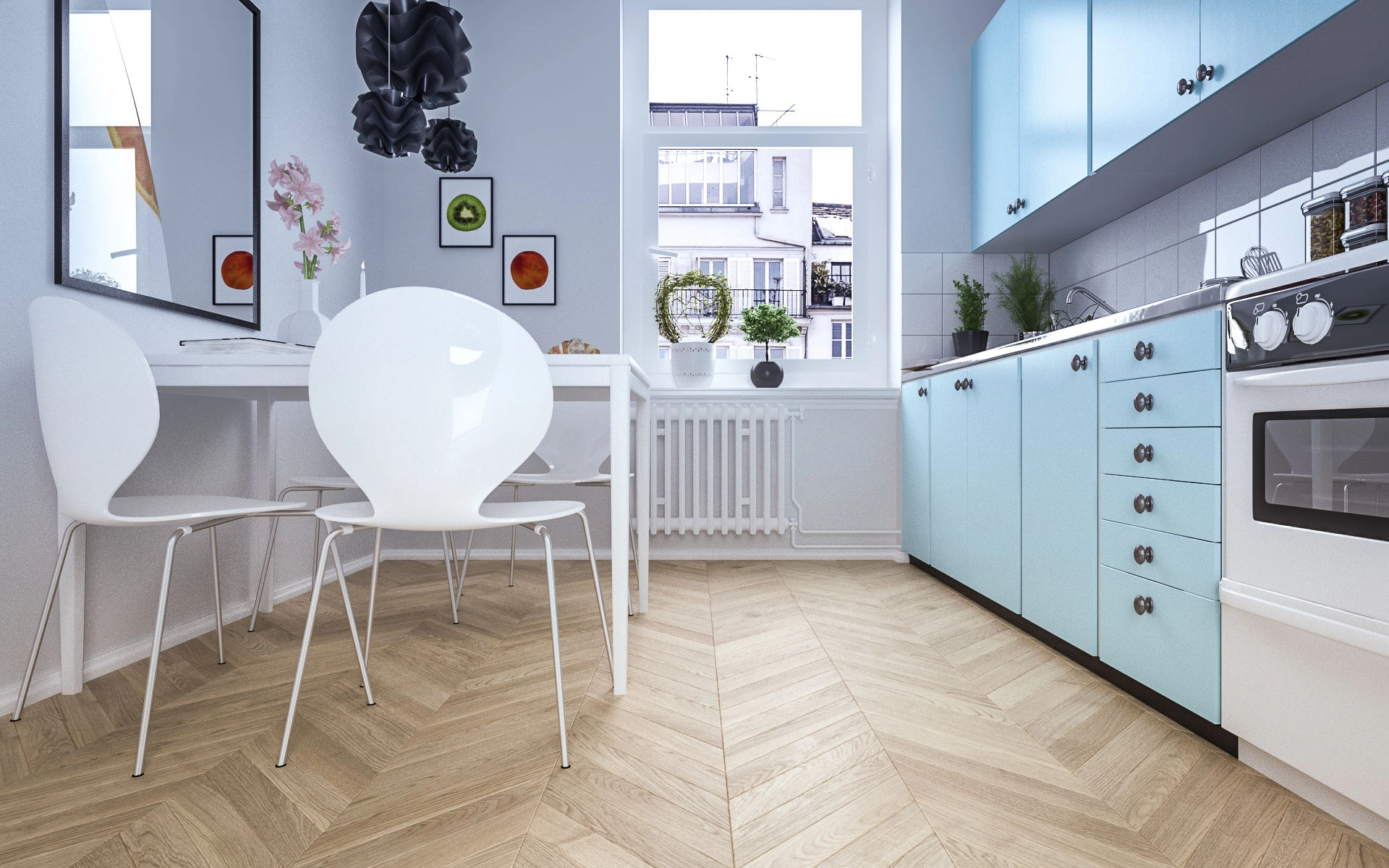
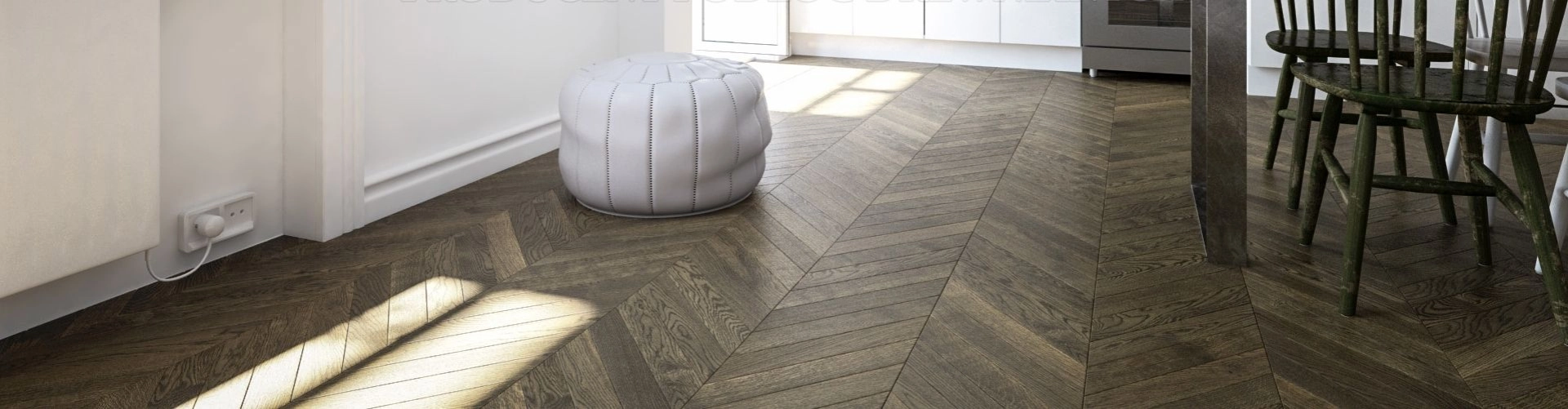
Herringbone flooring is a classic parquet floor design made by arranging rectangular wood blocks in a distinctive zigzag pattern. Each plank is laid at a right angle to the next, creating a visually striking “V” shape that resembles the skeleton of a herring fish, which is where the name comes from. This elegant layout has been used for centuries in homes, palaces, and public buildings, and it remains one of the most popular flooring styles for homeowners looking for timeless character and sophistication.
At 7 Braci, as wooden floor specialists and joinery experts, we often see herringbone flooring chosen by customers who want a floor that feels both luxurious and practical. It works beautifully in modern interiors, period properties, and renovation projects, offering a balance of style, durability, and long-term value.
How Herringbone Flooring Is Made
Herringbone flooring can be made from solid wood, engineered wood, or even luxury vinyl in some cases, though solid and engineered wood are the most desirable options for authenticity and performance. The individual blocks or planks are cut to uniform size and installed in a staggered zigzag pattern. Unlike straight plank flooring, the direction changes every piece, which creates movement and texture across the floor surface.
The quality of the material and the precision of installation are both extremely important. Because the pattern relies on exact angles and alignment, professional fitting is usually recommended. A well-installed herringbone floor creates a seamless, balanced finish that elevates the entire room.
Why Is Herringbone Flooring So Popular?
One of the biggest reasons herringbone flooring is so popular is its visual appeal. The pattern adds depth, structure, and elegance to a space without needing any additional decoration. It can make rooms feel more refined and can even help smaller spaces appear wider or more dynamic, depending on the direction of the pattern.
Another reason homeowners love herringbone flooring is its versatility. It suits traditional interiors with mouldings, fireplaces, and original features, but it also works well in minimalist, contemporary homes. Whether paired with neutral tones, dark dramatic finishes, or natural wood furniture, herringbone flooring has a timeless quality that adapts to many styles.
Herringbone Flooring vs Chevron Flooring
Herringbone flooring is often confused with chevron flooring, but the two are different. In herringbone, the ends of the planks are cut square and laid in a staggered pattern, creating a broken zigzag effect. In chevron flooring, the planks are cut at an angle so they meet in a continuous point, forming a sharper, arrow-like pattern.
Both styles are beautiful, but herringbone tends to feel slightly more traditional and understated, while chevron can look more graphic and modern. If you want a floor with classic charm and strong visual texture, herringbone is often the preferred choice.
Benefits Of Herringbone Flooring
Herringbone flooring offers several practical and aesthetic benefits. First, it is highly durable when made from quality wood and professionally installed. Wood floors can last for decades and, in many cases, can be sanded and refinished multiple times to restore their appearance.
Second, herringbone flooring adds value to a property. Buyers often view parquet floors as a premium feature, especially in living rooms, hallways, kitchens, and open-plan spaces. A well-maintained herringbone floor can become a standout selling point.
Third, it complements a wide range of interiors. From rustic oak to smoked finishes and contemporary matt lacquers, the pattern works with many wood species and colour tones. This gives homeowners plenty of flexibility when planning a renovation or new build.
Finally, herringbone flooring brings warmth and character into a room. Unlike plain flooring, it has a sense of craftsmanship and detail that makes the floor itself a design feature.
Best Rooms For Herringbone Flooring
Herringbone flooring can be used in many parts of the home. It is especially popular in hallways, living rooms, dining rooms, and bedrooms, where the pattern can be appreciated fully. In larger open-plan spaces, it helps define the floor visually and adds interest without cluttering the design.
Engineered herringbone flooring is also suitable for kitchens and some moisture-prone areas, provided the correct product and installation method are used. Because kitchens experience more temperature and humidity changes, engineered wood is often the better option than solid wood in these areas.
For commercial spaces, herringbone flooring can create a premium and welcoming atmosphere. Offices, boutiques, hospitality spaces, and showrooms often benefit from its refined appearance and strong first impression.
Is Herringbone Flooring Hard To Install?
Herringbone flooring is more complex to install than straight plank flooring. The installer must calculate the layout carefully to ensure the pattern is centred and symmetrical. Small errors in the early stages can affect the look of the entire floor. This is why professional installation is strongly recommended for the best finish.
The subfloor also needs to be properly prepared. It must be clean, level, and dry before installation begins. Depending on the product, the floor may be glued down, nailed, or floated. Engineered herringbone flooring is often easier to install in modern homes, while solid wood parquet may require more specialist fitting.
How To Maintain Herringbone Flooring
Maintaining herringbone flooring is straightforward. Regular sweeping or vacuuming helps remove dirt and grit that can scratch the surface. It is also a good idea to use a damp mop with a wood-safe cleaner when needed, but the floor should never be soaked with water.
To protect the finish, use felt pads under furniture and avoid dragging heavy items across the surface. In homes with high foot traffic, rugs can help preserve the appearance of the floor in busy areas. If the floor starts to show signs of wear over time, sanding and refinishing may restore it to its original beauty.
Choosing The Right Herringbone Flooring
When choosing herringbone flooring, consider the wood species, finish, board size, and room style. Oak is one of the most popular choices because it is strong, stable, and visually appealing. Other options may include walnut, ash, or engineered boards with a natural veneer.
The finish also makes a big difference. A natural matt finish creates a soft, modern look, while oiled finishes bring out the grain and warmth of the wood. Darker finishes can create drama and elegance, while lighter tones help brighten a room and make it feel more spacious.
At 7 Braci, we often help customers choose flooring that suits both the architecture of the property and the practical needs of the space. The right herringbone floor should enhance the design of the room while standing up to everyday use.
Final Thoughts
So, what is herringbone flooring? It is a timeless parquet style that uses rectangular wood pieces arranged in a zigzag pattern to create a floor full of texture, movement, and elegance. Loved for its classic appearance and long-lasting performance, herringbone flooring remains one of the most desirable choices for modern and traditional homes alike.
If you are planning a renovation or looking for a wooden floor that combines craftsmanship with style, herringbone flooring is an excellent option. For expert advice, professional installation, and high-quality joinery, 7 Braci can help you create a floor that looks stunning and lasts for years.