A high-quality wooden floor is a long-term investment in your home. At 7BRACI, we combine traditional craftsmanship with modern techniques to create durable floors, but their lifespan depends on how they are treated. To keep your handcrafted wooden flooring looking its best and ensure it stays structurally sound for decades, you need to provide the right care from the day it’s delivered.
This guide covers the most important aspects of wood floor care, from initial storage and installation to daily maintenance of your floor.
Storage and Transport of Wood Flooring
Care starts the moment the wood arrives. As wood is hygroscopic, it naturally reacts to changes in humidity. If the delivered parquet has reached the same temperature as the subfloor and the room climate and moisture levels are within the recommended range, installation can usually begin without extended acclimatisation. On the other hand, if there is a significant difference between the floor temperature and the interior conditions (for example in winter), the flooring should be stored in the heated room for at least 48 hours to acclimatise, following the manufacturer’s time and humidity guidelines.
Parquet packages should be stored in a well‑ventilated, dry room, protected from direct sunlight and atmospheric precipitation, at a temperature of about 18–24°C and relative humidity of roughly 40–60%. Parquet packages should be insulated from the substrate, and supported on pallets or other objects that would prevent direct contact with the substrate.
Using cardboard or construction paper as insulation is a great alternative. The parquet should be transported on pallets or another stable surface. Packaging must be handled with care. The packaging must NOT be removed until the surface is ready for laying.
Installation of Wood Flooring
Installation must be carried out by professionals who do not leave any glue on the top surface of the floor when bonding it to the subfloor. This is important because it may not be possible to remove dried adhesive from a finished surface, in which case the whole area will have to be re-sanded.
If the installer is installing an unfinished floor, it is worth discussing your needs with him beforehand, so that he can apply a durable and easy-to-maintain surface.
A freshly varnished or oiled floor must not be used straight after treatment. Full curing period varnish or oil-wax takes about 14-21 days and only after this time the wooden floor is fully suitable for use. The more the parquet is protected in the first days after varnishing/oiling, the more durable the varnish or oil, meaning the longer the parquet surface will remain in good technical and aesthetic condition. While the varnish is hardening and the parquet is in use, the floor must not be covered with construction foil, painting tape or other adhesive tapes. During painting work, the parquet should be periodically covered with corrugated paper.
In the case of using wood flooring for underfloor heating, the screed must be dried with a controlled heating cycle in line with the heating protocol, and its residual moisture must be checked and confirmed within the values specified by the flooring manufacturer before installation.
Optimal Parquet Use Conditions
Wood naturally reacts to changes in the environment (room climate) by swelling or shrinking in response to changes in air humidity. If a high level of air humidity persists for a long time, the parquet absorbs moisture and swells - the edging and boat-shaped planks are visible. In dry air, especially during the heating season, the wood releases moisture by contracting, which can cause gaps to appear between the planks or deform the wood. To avoid these issues, it is necessary to maintain a proper indoor climate. If the air is too dry, humidifiers should be used. Defects related to wood deformation should not be removed earlier than 8 weeks after the end of the heating period and once the wood has reached normative humidity levels.
Optimal conditions for parquet usage:
| Metric | Optimal Range |
|---|---|
| Air Humidity | 45% – 60% |
| Air Temperature | 18°C – 23°C |
| Floor Surface Temperature | 18°C – 26°C |
| Floor Temperature with Underfloor Heating | max 26°C |
| Solid Parquet Moisture | 7% – 11% |
Rooms in which the wooden floor will be used should be equipped with a room thermometer, a moisture meter and an air humidifier. Rooms should be aired regularly with short, intensive ventilation while avoiding large, rapid temperature swings in winter, and the relative humidity should be kept around 40–60% at an air temperature of about 18–24°C.
Daily Habits for Wood Surface Protection
Beyond climate control, simple daily habits are essential for preserving the natural beauty of the wood:
- Furniture Pads: Use felt protective pads under all furniture, especially tables and armchairs. For office chairs, use protective PVC mats.
- Lift, Don't Drag: Always lift furniture when moving it. Dragging it is the easiest way to cause deep scratches.
- Entrance Mats: Place mats at all exterior doors and use rugs in high-traffic zones to catch grit and moisture before it reaches the wood floor.
- Manage Sunlight: Use blinds or curtains to manage sunlight exposure. This reduces the fading of the wood over time.
- Pet Care: If you have pets, keep their claws trimmed and avoid letting large dogs slide or sprint on the floor to minimise scratches and dents.
- Footwear: Taking your shoes off before walking on wooden floors helps prevent grit from grinding into the finish.
- Moisture Hazards: Never leave wet buckets, plant pots, or damp rugs directly on the floor. Long-term moisture exposure is a common cause of stains and warping.
Cleaning Wooden Parquet Flooring
Regular cleaning is the foundation of wood floor care. Everyday debris, dirt and dust act like sandpaper underfoot, gradually scratching and dulling the finish over time.
- Removing Dust: Use a soft brush, a microfiber polisher, or a vacuum with a soft hard‑floor nozzle.
- Mopping: For weekly or periodic deeper cleaning, use a lightly damp microfiber mop with a pH‑neutral wood cleaner. You must avoid using too much water, as standing liquid can penetrate the joins and cause stains or warping.
- Wiping Up Spills: Spills should be wiped up immediately to prevent permanent marks.
Always choose pH‑neutral cleaners that are specifically approved for wooden floors by the finish manufacturer, rather than general‑purpose household detergents. Do not use steam cleaners, scouring pads or abrasive powders on wooden floors, as they can force moisture into the wood and scratch or strip the finish.
Maintaining Wooden Parquet Flooring
As a result of regular use, the varnish on the floor will wear off and become scratched. At this point, renovation of the parquet will be strongly advised. For oiled floors, periodically applying maintenance oils or waxes will restore the sheen and disguise minor scratches. Always use professional maintenance products that are specifically formulated for your type of finish (varnish, oil or wax). These products offer pH-neutral solutions that clean without stripping the protective layer. Parquet care products should be used by the instructions attached to the preparation.
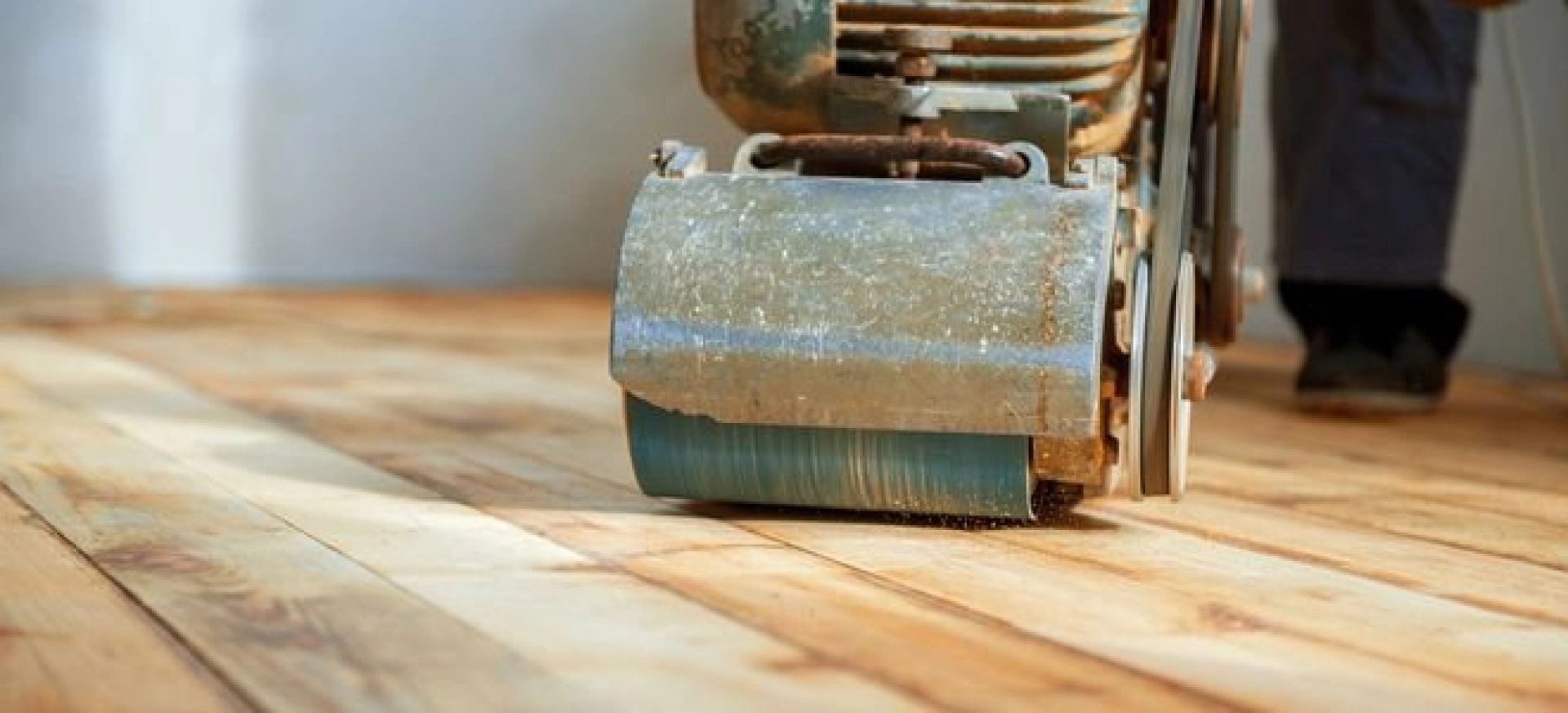
The first maintenance of the wooden parquet should take place no earlier than after approx. 3 weeks from the completion of applying the finish. Over time, as the finish wears, you may need a professional sand and reseal to keep the surface looking new.
Care and durability also depend on the type of flooring. Solid wood floors can usually be sanded and refinished several times, while engineered wood floors are more dimensionally stable, but can only be sanded a limited number of times because of their thinner top layer.
Checklist of 5 Top Tips On How to Take Care of Wooden Floors
- Control the Climate: Use a humidifier during the winter months to maintain humidity levels between 45% and 60%. This is a warranty condition for many real wood parquet floors.
- Avoid Harsh Chemicals: Never use vinegar, bleach, or steam cleaners. These can ruin the wood's finish and structure.
- Use Protective Pads: Apply felt protective pads to all furniture and avoid walking on the floor in high heels to prevent a dent or scratch.
- Mop with Care: Only use a slightly damp, well-wrung mop. Too much water is the enemy of wood.
- Dust Regularly: Removing dust and dirt daily prevents abrasive wear on the surface.
Want to keep your wooden floors looking pristine for years?
Ask us for personalised care instructions or product recommendations to match your finish.
Get Care AdviceFAQ
Do wood floors need to be oiled?
If you have oiled floors, they require periodic re-oiling to maintain their protection and natural beauty. This process nourishes the wood fibres. Lacquered floors, however, do not require oiling but may eventually need a fresh coat of varnish.
What should you not use on wood floors?
Avoid steam cleaners, abrasive scouring pads, and harsh chemicals like ammonia or vinegar. These can cause the finish to peel or the wood to swell.
How often should you seal your wood floors?
This depends on foot traffic. Generally, oiled floors benefit from a maintenance oil every 1–2 years, while a full sand and reseal of lacquered floors in normal residential use may only be needed roughly every 8–15 years, depending on wear and cleaning habits.
Can you mop wooden floors?
You can mop wooden floors, but only if the mop is slightly damp. It should never be dripping. Always use a pH-neutral wood cleaner.