Choosing the right flooring material for wet areas demands a clear understanding of waterproof vs water resistant flooring. This guide compares fully waterproof flooring with water resistant flooring, explores their applications in laundry rooms, wet rooms and wet areas, and presents expert methods to treat natural materials like hardwood floors against moisture.
Defining Waterproof vs Water Resistant Flooring material
Waterproof flooring refers to surfaces that remain completely impervious to water under prolonged exposure, ensuring that any water exposure never affects the core layer. Ideal for new flooring projects in kitchens, bathrooms and basements, true waterproof solutions include vinyl flooring, luxury vinyl tile and waterproof laminate flooring, all engineered with sealed joints and moisture-blocking underlays. By combining waterproof technologies and durable wear surfaces, these waterproof and water resistant options deliver peace of mind in even the wettest homes.
In contrast, water resistant materials such as engineered hardwood, cork and standard laminate provide limited protection, handling small spills and high humidity conditions for a short period. Water resistant laminate flooring, for example, can tolerate everyday splashes in hallways or utility areas, but without prompt cleanup water may eventually seep through seams or edges. When specifying waterproof and water resistant products for a project, it is crucial to match the level of protection to each room’s exposure and maintenance capacity.
Common Types of Waterproof Flooring
We distinguish between a number of products that provide a waterproof or moisture-resistant floor, which we will briefly explore. However, due to the nature of our business, we will also present ways to best treat a wood floor against moisture.
Swimming Pool Ceramic and Porcelain Tile
The flooring most suited to water resistance is swimming pool ceramic. These tiles are made of ceramic or gres tiles and are characterised by resistance to many external agents such as corrosive chlorine compounds as well as nitrogen hydroxides, various acids and also higher UV radiation. A great advantage of this material is its high slip resistance. This solution is suitable for areas where water resistance is an absolute must, such as swimming pools and related areas, as well as laundry rooms and bathrooms with an open bathing area, i.e. showers without shower trays.
Porcelain tile, a natural stone option, is completely waterproof, durable under water exposure, and suits wet rooms, offering an elegant, low-maintenance finish.
Luxury Vinyl Tile (LVT) and Vinyl Flooring
Another group of moisture-resistant products are all kinds of plastic coverings and panelling. I think the specifics of these types of products are well known because of their popularity. It is interesting that a floor made of LVT panels or similar can take on the appearance of floorboards or even antique floors such as the Versailles Parquet panels. I leave the aesthetics of such a product to your opinion ... :) However, apart from their water or moisture resistance, these floors are essentially disposable. This means that once the resistance barrier of this floor is exceeded, it basically has to be replaced in spots or the entire surface, which in terms of financial efficiency in the long term basically rules out the sense of using such a product.
Luxury vinyl tile and vinyl flooring use a rigid, waterproof core layer and wear surface, providing waterproof flooring performance with authentic wood or tile aesthetics.
Resin and Polished Concrete
Other than the ceramic mentioned above, it is worth mentioning floors made of resin or ground concrete. In both cases, the application technology is very different and requires professional substrate preparation. A common case is the use of resins to cover wooden floors. I have come across opinions that resins emphasise the depth of wood grain, but unfortunately, this solution does not bring good results, because wood shrinks and expands under the impact of changing conditions, e.g. temperature, and as a result, micro-cracks occur, which causes a loss of water resistance, therefore it is wiser to use resins on other more stable floors, e.g. made of concrete or stone.
Whereas polished concrete protected with water repellent impregnations is a great solution in the kitchen or home garage. It looks raw and modernistic and due to its temporary water resistance is a prevalent choice in interiors.
It is common practice to use lithium or potassium silicates to protect the surface of a new concrete floor, which is not a good idea because there is not enough free potassium hydroxide in a new concrete floor for the silicates to react with, and the reaction would take several weeks. A much better way is to use dedicated varnishes that protect the floor against moisture and also to some extent against mould.
Water-resistant flooring encompasses a range of materials designed to tolerate occasional moisture without significant damage. These options prioritise ease of installation and cost-effectiveness, making them suitable for living rooms, hallways and utility spaces where spills are infrequent and rapid cleanup is manageable.
Water-Resistant Laminate and Hybrid Options
Many products marketed as waterproof laminate flooring are actually water resistant laminate flooring, featuring a moisture-resistant wear layer over a high-density fibreboard core. Water resistant laminate can handle everyday spills but requires prompt cleanup to prevent swelling.
Engineered Hardwood and Exotic Timber
At this point, I come to the climax, i.e. the treatment of wooden floors included in the aspect of moisture. In my opinion, it is worth presenting the subject in three considerations. The first important aspect is the choice of the type of wood, and in practice this usually boils down to the choice of Teak, but a good choice would also be, for example, Merbau. We can custom-make a floor in both choices. The natural characteristics of exotic wood species mean that, in addition to their higher stability in humid conditions, they are also very strong and suitably hard. A truly great and proven choice.
Engineered hardwood combines a real wood veneer with multiple layers of plywood, offering improved water resistance versus solid hardwood, though not fully waterproof without specialist finishing.
Exotic Wood Options for Moisture-Prone Areas
Certain exotic woods such as teak and merbau inherently possess superior water resistance. Their density and natural oils reduce moisture uptake, but application of protective finishes remains crucial to safeguard the top surface.

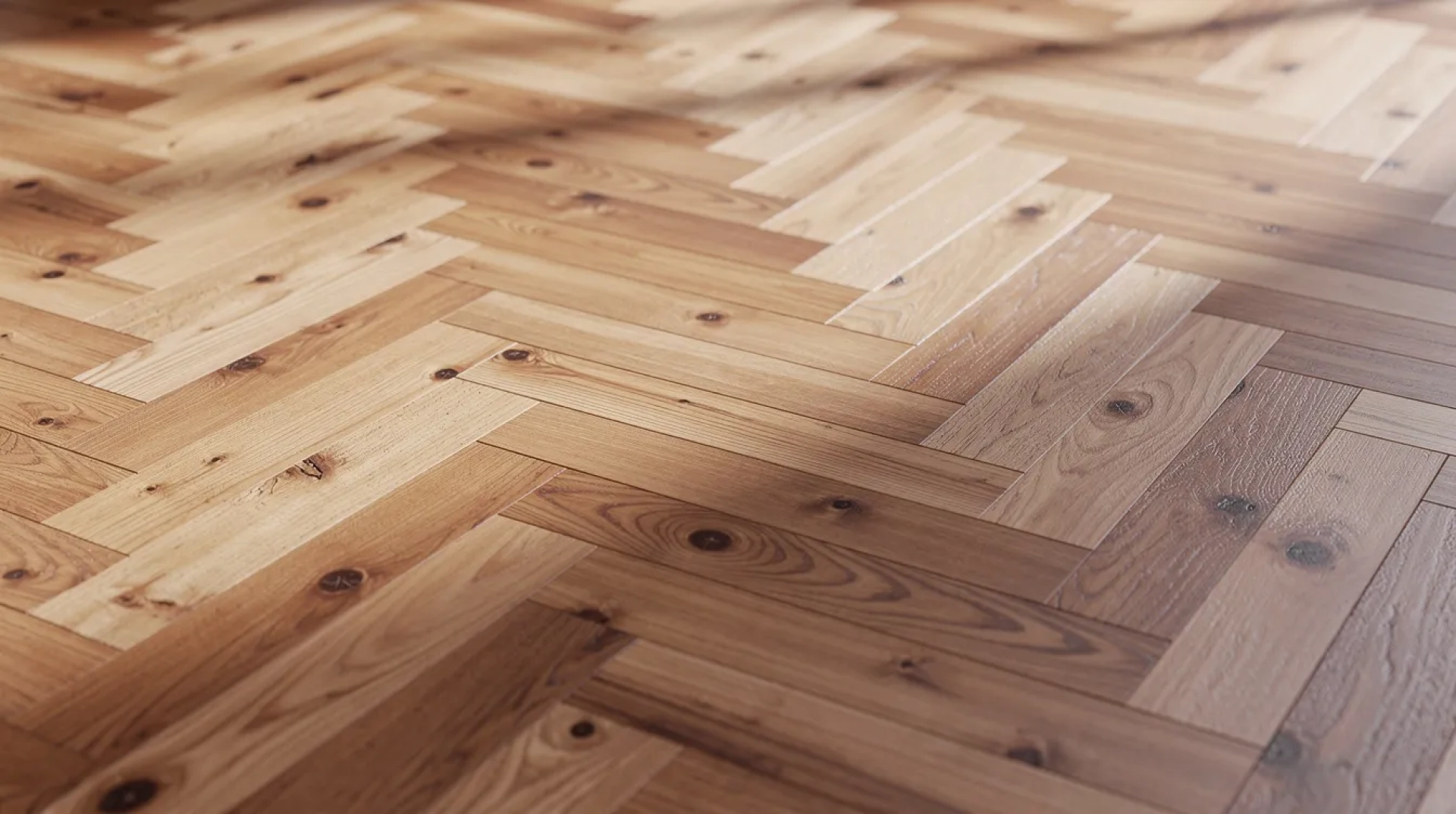
Ambre Ash Herringbone
Flooring for Underfloor Heating
Moisture Risks & Practical User Tips
I have noticed a certain recurring practice among clients over the years. I think it's worth writing about it in order to present a certain process that takes place on the wooden floor when coming back from winter holidays. Some people leave for the winter holidays and turn off the heating or radically reduce the interior temperature - especially in historic or classic houses simply without underfloor heating. On returning from holiday, the heating is turned up to maximum setting in the hope of quickly warming up the interiors. The air then heats up very fast, while walls and floors remain cold for a longer time. This causes water vapour to condense on cold surfaces, creating wet spots or entire wet surfaces. If the moisture is not removed from the surface and the wooden floor is poorly sealed against moisture, it will simply absorb all the water and the parquet may be damaged. It is worth bearing this in mind and heating the rooms slowly for a few days before returning and it is also advisable to moisture-proof the floor.
For all resistant flooring, maintain consistent humidity, clean spills swiftly, and use mats in laundry rooms to protect against accidental water exposure.
Subfloor Preparation & Advanced Technologies
Here we come to the merits of the matter, i.e. ensuring the best conditions for the woodflooring. The first and most important aspect is the proper preparation of the subfloor before laying parquet or floorboards. This is not possible to describe in a few words, which is why we have drawn up detailed guidelines for the correct preparation of the subfloor. For technical details, please click here:
It is worth mentioning that moisture-proofing the subfloor is a key element, since if this is ignored and the right conditions are in place even during installation, moisture can seep in from underneath in the long term and damage the parquet. The top layer of the wood floor, on the other hand, should be impregnated and finished with a protective layer.
Modern waterproof and water resistant locking systems, WetProtect technology, and high-performance underlays create a barrier at seams and joints, ensuring long-term protection against subfloor moisture.
Finishes: Oil, Wax, Varnish Comparison
There are many types of finishes and I will not describe each of them, but focus on two types of finishes. One method is the most popular with our customers and the other is, in my subjective opinion, quite robust.
By choosing the natural look of the floor showing the beautiful grain of the wood, customers prefer oil as a finishing method.
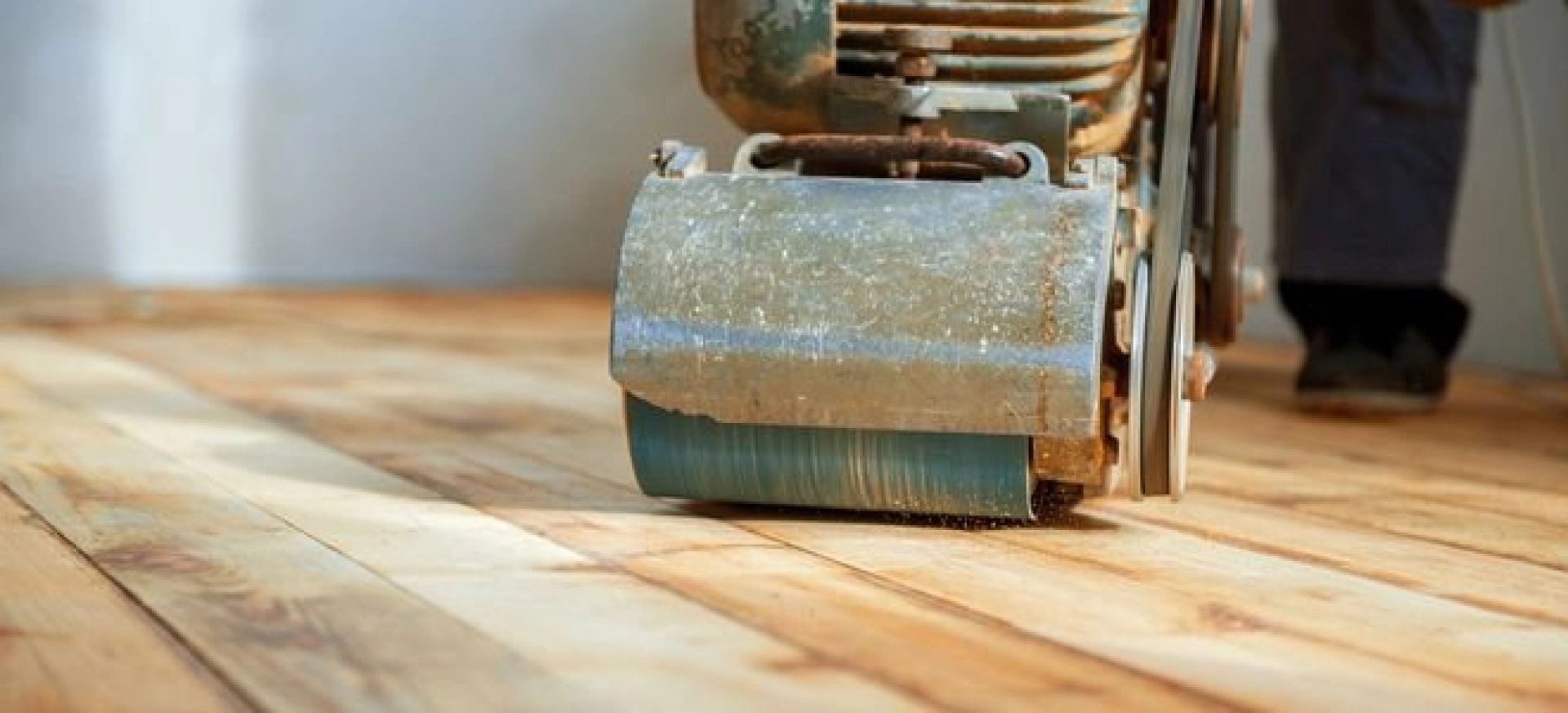
In contrast to oiling, in our Boutique collection ( click here: ) the parquets are finished by hand, where we apply several layers of oil during the work and then, as a final protective layer, we use waxes, which give a matt natural effect and a hydrophobic barrier. When buying unfinished parquet, you often wonder what kind of finish will be comfortable to maintain and at the same time protect against moisture. The answer is as classic as possible, i.e. laying the floor and creating a smooth wooden floor surface by sanding and then applying several layers of varnish, which after drying creates a uniform water-repellent structure. New developments in lacquer production have also allowed for a natural matt effect.
| Finish Type | Water Protection | Maintenance Level | Aesthetic Effect |
| Oil | Moderate water resistance | High | Natural matt |
| Wax | Good water-resistant barrier | Medium | Soft sheen |
| Varnish | Excellent waterproof finish | Low | Gloss or matt |
When to Choose Each Option?
Selecting the right flooring depends on a room’s moisture levels, traffic, and desired aesthetics. Consider both performance and style needs before deciding between fully waterproof or water-resistant solutions.
- Waterproof flooring (e.g., porcelain tile, LVT, SPC) is best for kitchens, wet rooms, and areas exposed to flooding or frequent spills.
- Water resistant flooring suits living spaces, bedrooms, and moderate-traffic areas where occasional splashes occur.
- Engineered hardwood and exotic woods with protective finishes balance beauty and water resistance in dining rooms or hallways.
Want to have flooring that stands up to moisture and looks stunning?
Get in touch with the 7Braci team today and chat with our experts to find the perfect flooring solution for your home.
Contact Us NowFAQs on Waterproof vs Water-Resistant Flooring
Is engineered wood flooring waterproof?
Engineered wood flooring is inherently water resistant and offers excellent stability in humid conditions. Advanced waterproof engineered wood flooring enhances this performance with fortified core layers and specialised sealing treatments, delivering extended moisture protection when installed and maintained according to manufacturer guidelines.
Can water-resistant laminate be used in a laundry room?
Provides temporary protection against water but will swell if exposed to water for long periods; clean-up must be done at once. Waterproof laminate flooring should be considered for zones exposed to water regularly, as it is built by sealing the core layer and forming joints that block moisture.
How often should hardwood floors be refinished for moisture protection?
Depending on the foot traffic and wear of the finish, hardwood floors will need refinishing every 3 to 5 years.
Are composite floors considered waterproof?
Many wood-plastic composite and stone plastic composite flooring systems feature a fully waterproof core layer and therefore are suitable for all wet areas.
Which is better: waterproof engineered hardwood vs luxury vinyl plank?
Waterproof engineered hardwood takes after having a genuine wood look and feel with enhanced moisture protection through a sealed veneer and some water-resistant core layer. LVP though is a better option when it comes to resisting standing water, simpler maintenance, and maximized durability in high-traffic or wet environments.
Can you install waterproof engineered hardwood in a bathroom?
Yes, some manufacturers make waterproof engineered hardwood systems that are explicitly rated for bathroom use. These products are engineered to have fully sealed edges, a core layer that is fully waterproof, and proper underlayments to keep moisture from entering the floor. Follow brand installation instructions thoroughly and use either the adhesives or locking system recommended by them.
What is the best waterproof flooring for the whole house?
Usually, the best whole-house solution attempts to marry porcelain tiles in wet areas, LVPs in living areas and hallways, to laminate or SPC in bedrooms. Thus, the whole house - from bathrooms and kitchens to bedrooms and basements - can boast a fully waterproof show floor matched to its looks and performance needs.