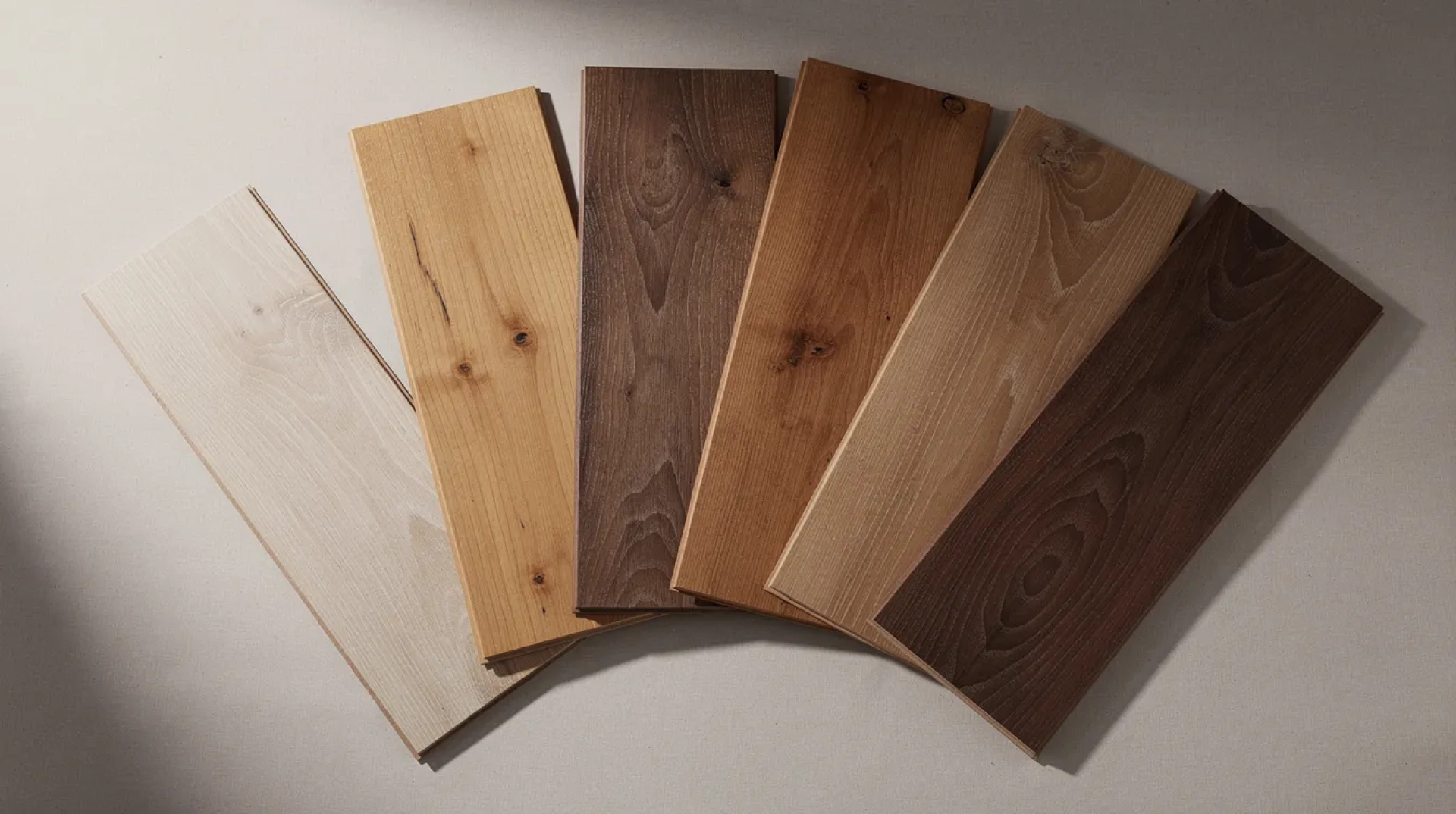
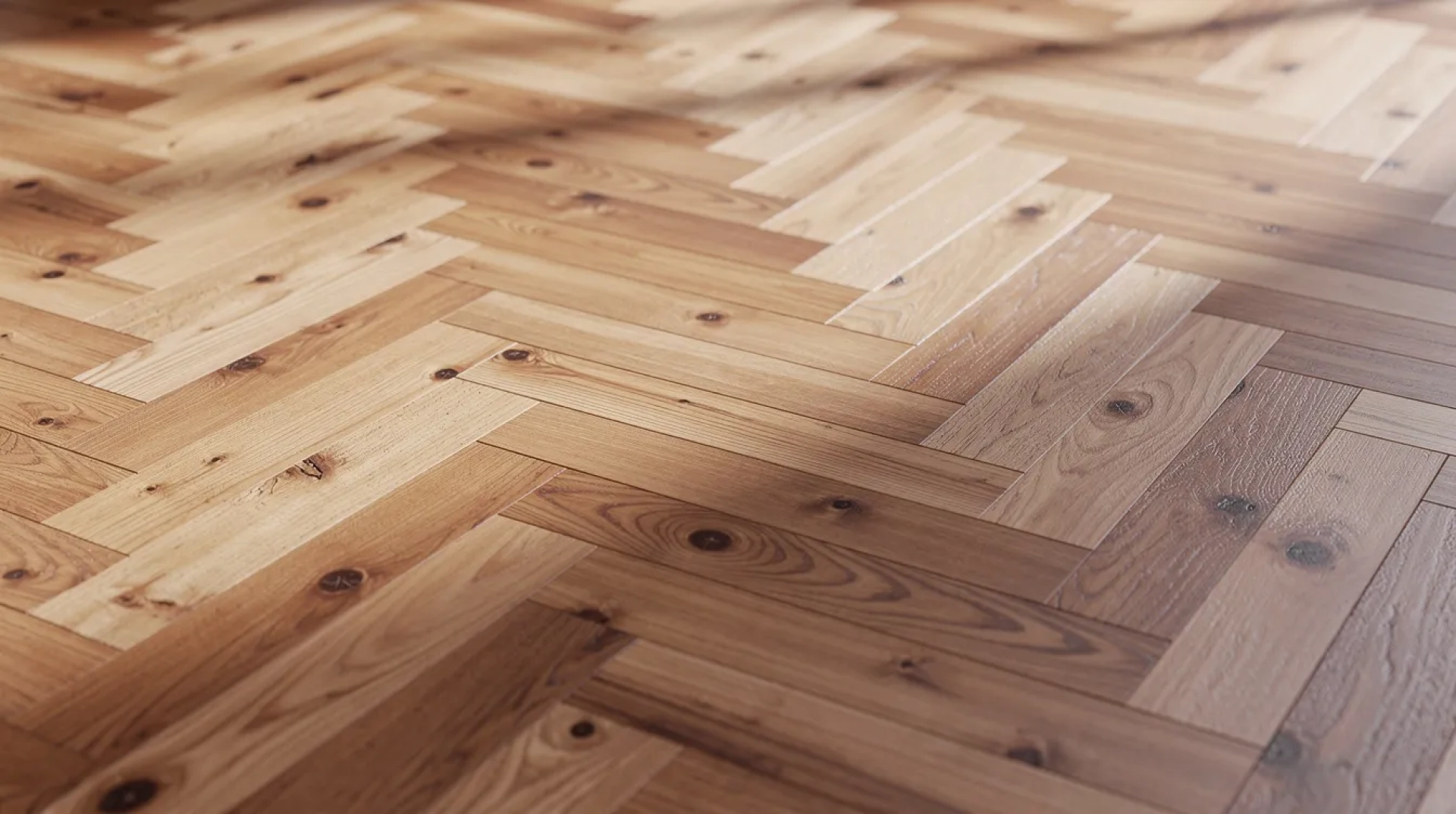
Parquet flooring is a type of wood flooring made by arranging small blocks, strips, or tiles into repeating geometric patterns. Unlike standard straight-plank hardwood flooring, parquet creates a mosaic-like effect through designs such as herringbone, chevron, basket weave, and the ornate Versailles pattern. The result is a wooden floor that feels more crafted and visually distinctive than conventional planks.
The term covers more than just solid wood. Modern parquet flooring can be solid wood, engineered wood, laminate, LVT, or vinyl flooring—all designed to replicate the look of decorative wood blocks. What makes it parquet is the pattern and layout, not the material alone.
Parquet first appeared in grand European buildings during the 1600s as a practical, beautiful alternative to cold, high-maintenance marble floors. French and Italian architects used geometric wood floors to reduce structural strain while adding natural warmth to wealthy homes. Today, it’s common in modern homes across the UK and Europe, from restored 1930s London flats with original herringbone parquet beneath old carpet, to contemporary open-plan living rooms.
Why consider parquet for your home? The visual impact is immediate—it transforms hallway floors, living rooms, and dining room spaces into design features. It suits various budgets, from economical vinyl effects to premium high end hardwood. And for many buyers, quality parquet is viewed as an upgrade that adds value.
What Exactly Counts as Parquet Flooring?
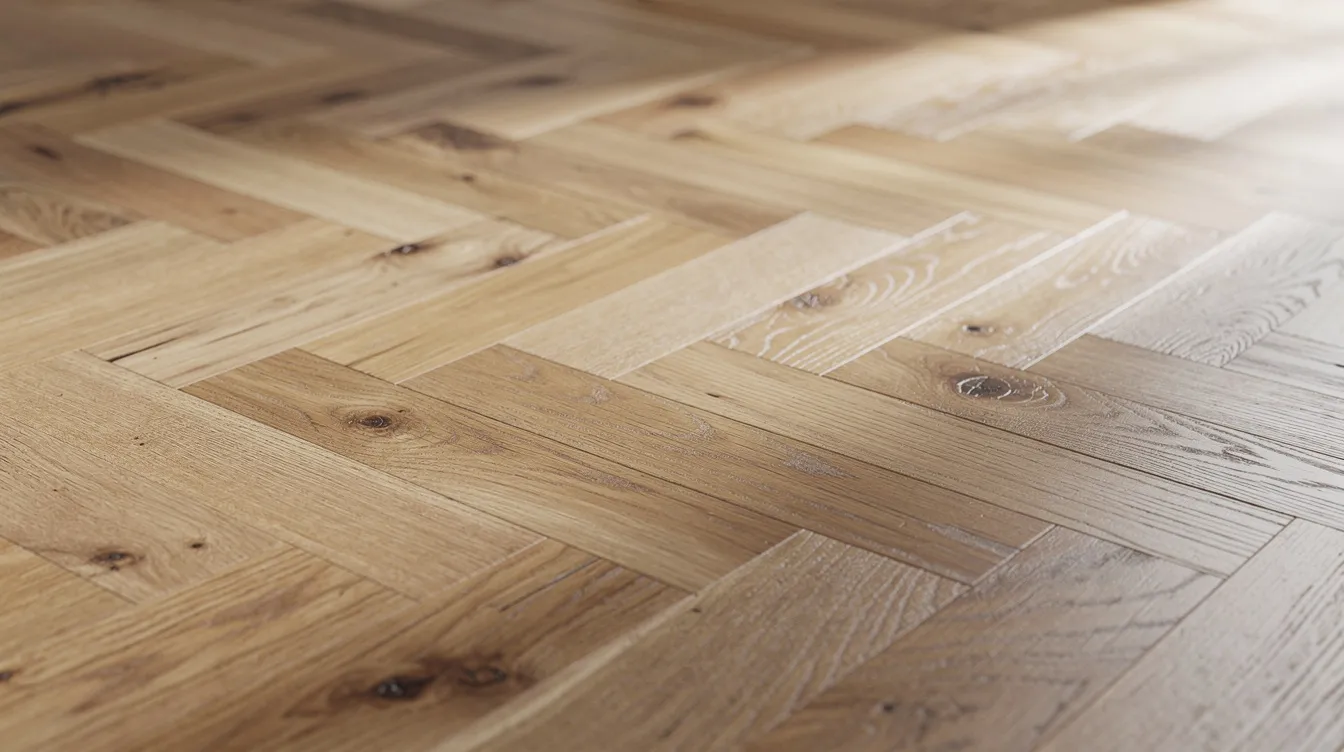
Parquet flooring means wood or wood-effect flooring laid in a deliberate, repeating pattern using smaller hardwood pieces rather than long boards. The term “parquet” comes from the Old French “parchet,” meaning a small enclosed space or small compartment—reflecting how the wood is divided into distinct sections.
There’s no single mandatory pattern. Herringbone parquet, chevron parquet, basket weave, mosaic flooring with square tiles, and Versailles parquet all qualify. Each creates different geometric designs, but all fall under the parquet umbrella.
Modern parquet flooring is typically supplied as pre-assembled tiles or boards with the pattern already formed, speeding installation compared with traditional block-by-block fitting. You’ll find parquet in domestic spaces—living rooms, corridors, bedrooms—and in commercial reception areas where its striking textured appearance makes an impression.
A Brief History of Parquet Flooring
Parquet has roots in Renaissance Europe, blending craftsmanship with practicality. Geometric wood parquet appeared in wealthy 16th-century French and Italian homes, where Italian architects and craftsmen developed intricate patterns to replace heavy stone floors.
The real turning point came in 1680s France. King Louis XIV commissioned parquet floors for the Palace of Versailles, creating the famous “parquet de Versailles” pattern of interlacing squares and borders. This wasn’t purely decorative—wood was warmer underfoot than marble and easier to maintain, making it practical for prestigious buildings.
Throughout the 18th and 19th centuries, parquet spread across Europe as a status symbol in townhouses and mansions. Many UK Victorian and Edwardian properties featured traditional parquet floors, often in hallways and reception areas.
After the Second World War, parquet declined as carpets, sheet vinyl, and linoleum became fashionable and cheaper. The resurgence came from the 1960s onwards, driven by engineered wood technology enabling affordable production. Today, original parquet from the 1920s–1960s is regularly discovered and restored in period homes—a timeless addition worth preserving.
Key Types of Parquet Flooring
When discussing parquet, “type” can mean construction (how it’s made) or visual pattern (how it looks). This section covers construction types first—solid wood, engineered, laminate, LVT, and vinyl—then explores popular parquet patterns.
Solid Wood Parquet Flooring
Solid wood parquet flooring consists of small blocks cut from a single wood species—the same real wood through the entire thickness. Common wood species in UK homes include European oak for its versatile grain, walnut parquet flooring for rich dark tones, maple for light blonde hues, and beech for cost-effective pale finishes.
The advantages are compelling: authentic feel underfoot, the ability to sand and refinish multiple times over decades, and a natural patina that develops with age. Many early 20th-century schools and civic buildings featured solid wood flooring, often hidden under carpet for years before being rediscovered and restored as a reclaimed floor or reclaimed parquet flooring.
The downsides? Higher cost, sensitivity to humidity changes, and the need for skilled professional installation on level, dry subfloors.
Engineered Wood Parquet Flooring
Engineered wood parquet features a top wear layer of real hardwood (typically 2.5–6mm thick) bonded to a cross-plied plywood or HDF core. This construction improves dimensional stability, making it less prone to expansion and contraction than solid blocks.
This stability makes engineered parquet suitable for underfloor heating and modern builds where other wood floors might struggle. Pre-assembled boards or tiles with the herringbone pattern or chevron already formed reduce fitting time significantly.
Depending on wear layer thickness, engineered parquet can be sanded once or twice, extending its lifespan. It’s now the most common “real wood” parquet choice for UK homeowners balancing authenticity with practicality.
Laminate Parquet Flooring
Laminate parquet is a synthetic product with a printed wood-effect décor layer beneath a tough wear layer, mounted on an HDF core. It clicks together as floating flooring, making installation quicker and often DIY-friendly.
Key benefits include significantly lower price than parquet wood flooring in real wood, good scratch resistance (AC4-AC5 ratings handle high heels and furniture), and availability in many colour options and pattern scales. Limitations? It cannot be sanded, and standard laminate isn’t fully waterproof.
Laminate works well in rented properties, spare rooms, or where budget matters most.
LVT (Luxury Vinyl Tile) Parquet
LVT parquet consists of multiple vinyl layers with high-resolution wood-effect prints, embossed textures, and durable wear layers. Quality LVT is highly water-resistant or fully waterproof—suitable for kitchens, utility rooms, and some bathrooms.
Today’s LVT achieves remarkably realistic appearance, with registered-embossed textures following printed grain. Options replicate oak, walnut, and smoked finishes convincingly. It’s slightly warmer and softer underfoot than ceramic tile, compatible with underfloor heating, and requires low maintenance.
For busy households wanting the parquet design without real wood upkeep, LVT delivers.
Vinyl and Sheet Vinyl Parquet
Sheet vinyl with parquet patterns comes in rolls rather than individual tiles. It’s one of the most economical ways to achieve a parquet look, commonly used in rental homes, hallways, and utility spaces.
Advantages include excellent water resistance, simple cleaning, and quick installation over large areas with fewer joins. The trade-off is a flatter appearance with less texture than high-end LVT or other materials like real wood.
Choose sheet vinyl when budget, water resistance, and installation speed outweigh authenticity.
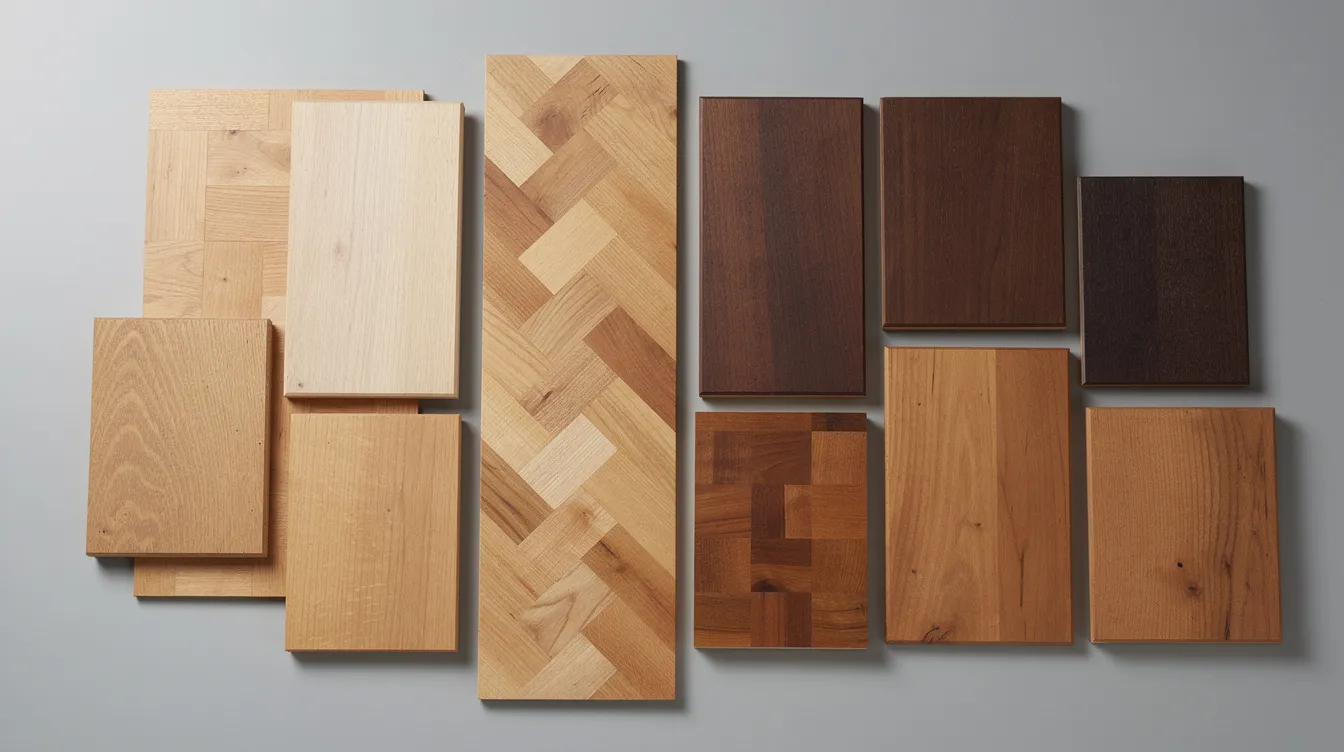
Popular Parquet Patterns and Designs
The pattern you choose significantly impacts how large, light, or formal a room feels. Here are the main parquet flooring designs:
|
Pattern |
Visual Effect |
Best For |
|---|---|---|
|
Herringbone |
Timeless zig zag pattern with stepped ends |
Heritage interiors, narrow hallway spaces |
|
Chevron |
Clean, directional zigzag pattern |
Contemporary open-plan areas |
|
Basket weave |
Classic textile-like appearance |
Formal rooms, period properties |
|
Mosaic/Square |
Uniform simplicity |
Smaller spaces, modern schemes |
|
Versailles |
Highly ornate with borders |
Grand reception areas |
The herringbone pattern creates dynamic movement and can make a small or narrow room appear wider. Chevron parquet flooring produces a more streamlined, contemporary look. Modern ranges offer consistent tones across patterns, allowing mid-brown oak parquet flooring in herringbone flowing into chevron in adjoining rooms.
Parquet Flooring Colours and Finishes
Colour and finish dramatically influence character. Natural wood tones range from pale Scandinavian oak for bright spaces to warm mid-browns and deep smoked finishes for traditional design schemes.
Contemporary options include cool greys, white-oiled finishes, and almost-black “ebonised” looks—these can modernise period properties or suit minimalist interiors. For interior design flexibility, consider how the floor complements existing features.
Common finishes include:
-
Matt lacquer (low glare, hides dust)
-
Satin lacquer (balanced durability and sheen)
-
Hardwax oil (breathable, repairable)
-
Brushed or distressed surfaces (aged patina effect)
Lighter tones show less dust; very dark, high-gloss floors reveal footprints and need more frequent cleaning.
Benefits of Parquet Flooring in Your Home
Parquet combines design impact with practical performance, explaining why it remains such a popular addition in both new builds and renovations.
Aesthetic benefits are immediate: intricate patterns become focal points, angled lines can make a narrow room feel like a longer or wider space, and the geometric patterns add movement to plain rooms. The natural warmth of wood makes living rooms and bedrooms comfortable compared to cold stone—hardwood is warmer underfoot, especially with underfloor heating.
Durability matters too. Oak parquet flooring with Janka hardness of 1290 lbf can last 40+ years in residential traffic. Quality installation can boost property value by 3-5% according to UK estate agent surveys.
Design versatility spans classic interiors with period fireplaces to minimalist grey schemes in contemporary spaces. It even appears in basketball courts where durability and visual impact both matter.
Parquet vs Herringbone vs Chevron: Clearing Up the Terms
These terms often cause confusion. Here’s the simple breakdown:
Parquet is the umbrella term for any wood or wood-effect floor laid in decorative, repeating patterns using smaller pieces—like a herring fish arranged in rows.
Herringbone uses rectangular blocks laid tile perpendicular to each other at 90°, creating a broken zigzag with stepped ends. It’s the classic pattern in older UK homes and public buildings.
Chevron features planks cut at angles (typically 45° or 60°) meeting to form continuous V-shapes—a cleaner, more directional pattern.
Choose herringbone for heritage feel; choose chevron for contemporary, streamlined looks. Both work beautifully in hallways, lounges, and dining rooms.
How to Choose the Right Parquet Floor for Your Project
The right parquet depends on room conditions, budget, style, and how long you plan to stay.
Assess room usage first: high-traffic hallways need tougher finishes or LVT; quieter bedrooms suit softer oiled wood. Consider subfloor and heating—engineered wood or LVT for underfloor heating systems, with careful moisture checks on older concrete floors.
Match pattern scale to room size: smaller blocks for compact rooms, larger chevron planks for expansive open-plan spaces. A small enclosed space benefits from fine patterns; a wider space handles bolder designs.
Set a realistic budget covering installation, subfloor preparation, trims, and skirting updates—not just flooring cost per square metre. Thicker wear layers on engineered parquet offer better long-term value despite higher upfront prices.
Costs, Installation, and Maintenance
Parquet ranges from budget-friendly effects to premium crafted hardwood. Realistic UK price bands per m²:
|
Type |
Typical Cost (per m²) |
|---|---|
|
Laminate parquet |
£30–£60 |
|
Entry engineered |
£70–£150 |
|
Premium solid/bespoke |
£120–£300+ |
Add 20-40% for professional installation. Intricate mosaic pattern designs and borders cost more to fit than simple layouts.
Installation methods include glue-down for stability on concrete, and click-lock floating systems for engineered, laminate, and LVT. A level, dry subfloor is essential—installing parquet flooring on inadequate subfloors causes problems.
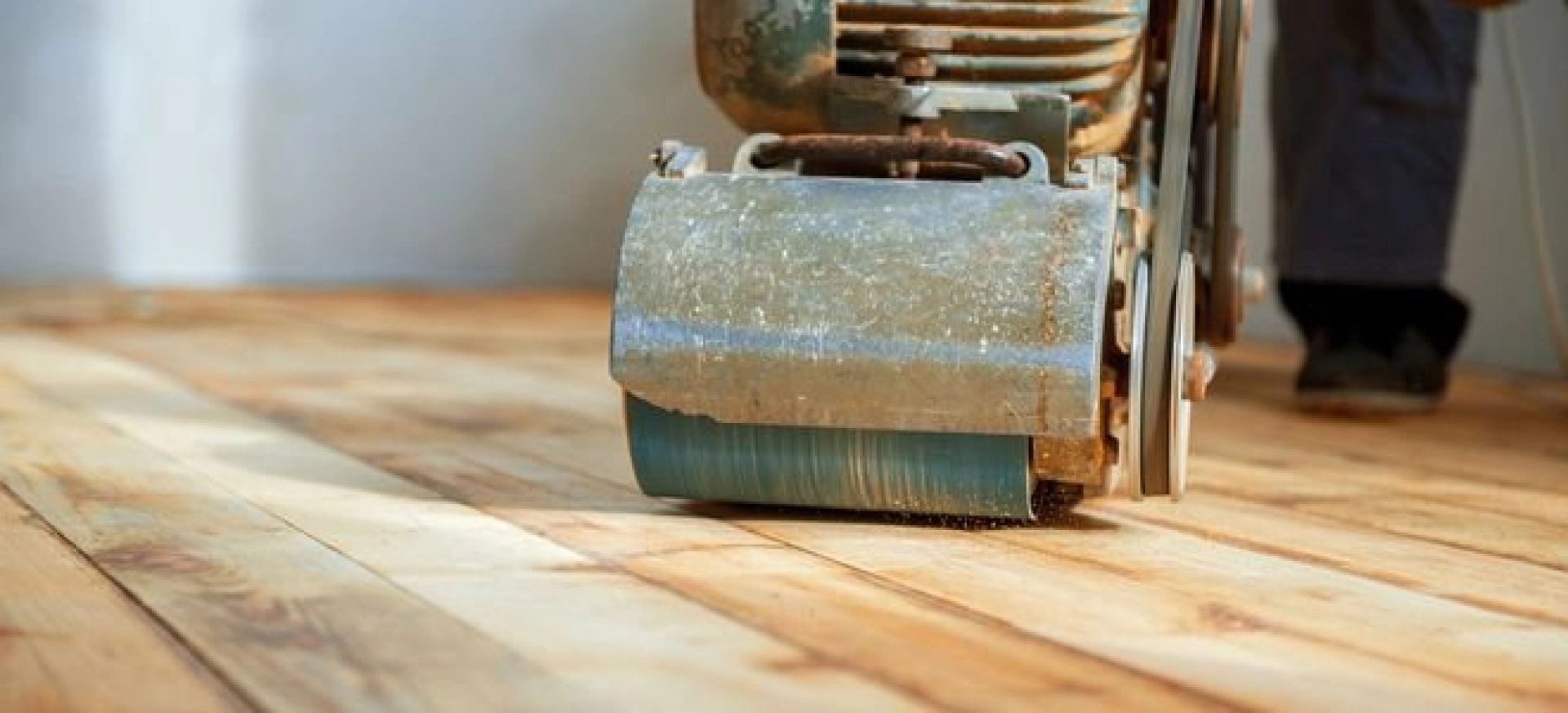
Maintenance involves regular sweeping, pH-neutral wood cleaners, prompt spill wiping, and felt pads under furniture preventing scratches. Solid wood flooring and engineered variants can be sanded and refinished every 10-20 years. Laminate and LVT cannot be sanded, but damaged sections can sometimes be replaced.
Chosen carefully and maintained properly, parquet flooring remains a standout feature for decades—just look at restored Versailles originals still beautiful after 350 years.