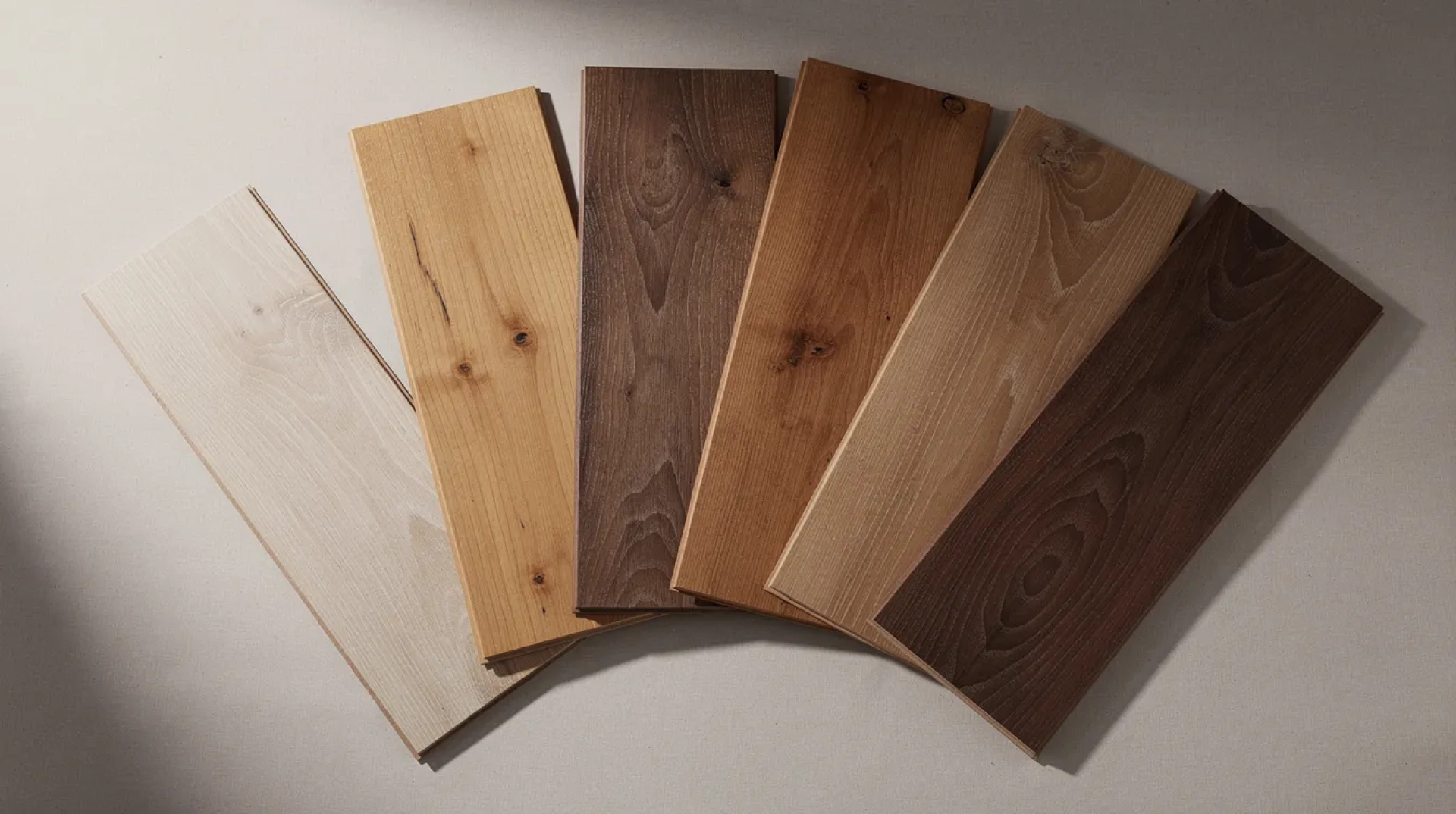
Affordable hardwood flooring refers to wood flooring that provides the timeless beauty and durability of solid wood flooring or engineered wood flooring without the hefty price tag often associated with exotic or premium options. Affordability is influenced by several factors: the type of wood, its lumber grade, whether you choose solid hardwood flooring or engineered wood flooring, and the finishing or installation method used.
When searching for affordable options within the wide range of wood flooring types, buyers often turn to domestic species and lower-grade options that balance natural beauty, performance, and overall cost. This allows homeowners to enjoy real wood flooring with timeless elegance, durability, and even an increase in the home’s resale value — without the higher price associated with using rarer species of wood.
Types of Affordable Hardwood Flooring
When shopping on a budget, most homeowners have two main flooring options:
- Engineered Wood Flooring – Built with a real wood veneer top layer bonded to layers of plywood or high-density fibreboard. Engineered wood is often the more affordable option, as it reduces material use and installation costs, works with underfloor heating, and can be floated, glued, or locked together. For those looking for flexibility and a budget-friendly option, engineered hardwood is ideal.
- Solid Wood Flooring (Solid Hardwood Flooring) – Cut from a single piece of timber, solid hardwood is a highly durable and long-lasting choice. It can be sanded and refinished many times, which supports proper care and decades of use. However, it can be more labour-intensive to install, sensitive to moisture, and usually carries a higher price.
For most cost-conscious buyers, engineered wood flooring remains the affordable option that maintains the timeless appeal of real hardwood with lower upfront and labour costs. Still, many homeowners value solid wood flooring for living rooms and other living spaces where longevity and timeless beauty matter most.

Light Ash
Handcrafted Wood Flooring
Unfinished Classic Wood Flooring
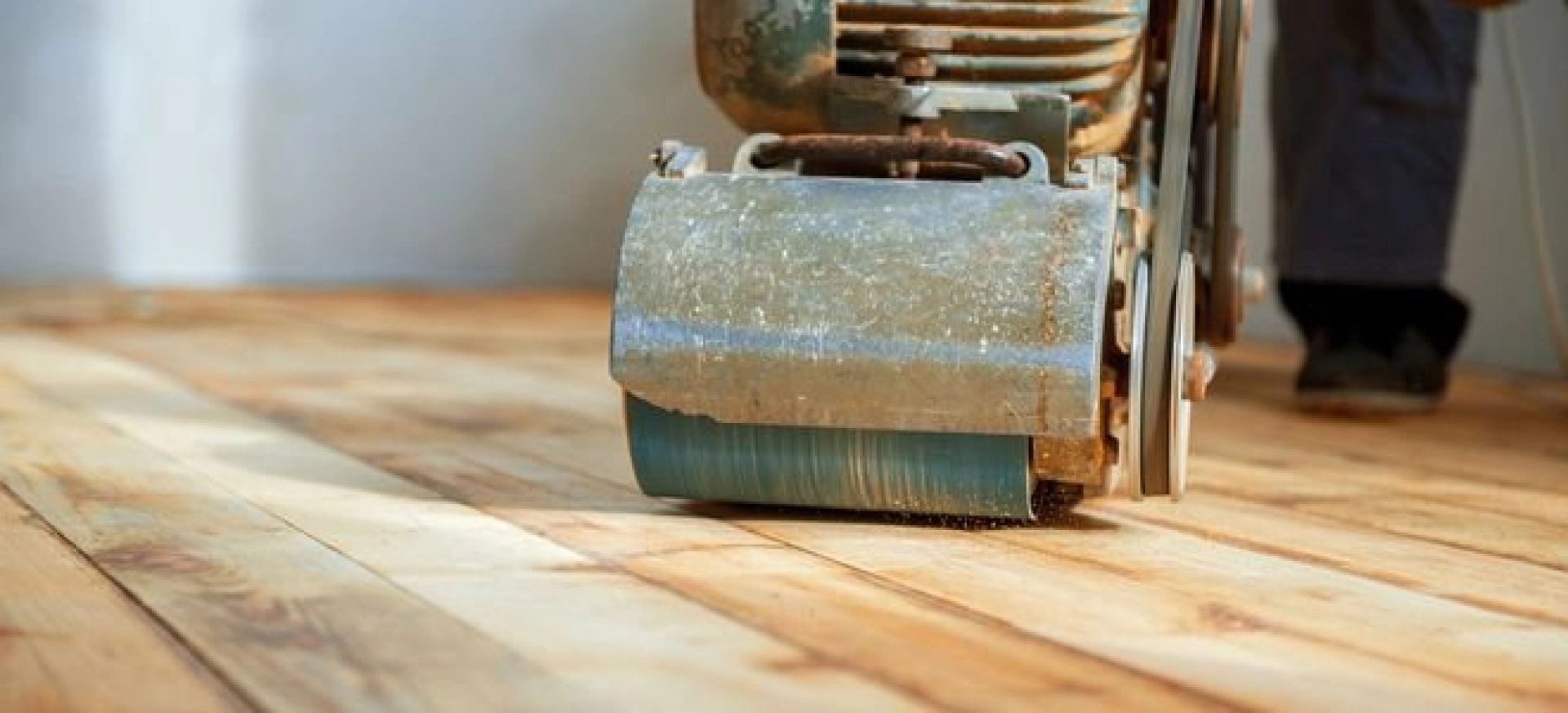
A particularly popular category is unfinished classic wood flooring — both solid and engineered. Unlike prefinished planks, unfinished flooring arrives without a topcoat, allowing professional installers or even homeowners to apply the finish of their choice after installation. This flexibility means the final result can be customised with oils, lacquers, stains, or waxes according to the investor’s preferences.
Benefits for Installers and Professionals
- Ease of adaptation – installers appreciate unfinished boards because they can create a seamless look, with joints sanded flush before finishing.
- Personalisation – clients may choose exactly the colour tone, gloss level, or surface treatment.
- Cost savings – unfinished timber is cheaper, and finishing can be tailored to your budget.
This makes unfinished flooring one of the most affordable options while offering maximum customisation.
Affordable Wood Species and Durability
Beyond construction type, the choice of wood species plays a major role in affordability. Domestic hardwoods are widely available, making them less costly than exotic imports, while still providing excellent durability and design options.
Common Domestic Species
Domestic hardwoods are the foundation of affordable hardwood flooring. These options are widely available, offering a durable option without the significant investment often tied to exotic imports.
- Oak Flooring – Strong, classic, and timeless. Available in both red oak and white oak, making it a popular choice for most rooms. Oak is also showcased in many affordable engineered and solid wood ranges.
- Maple Flooring – Naturally lighter, clean-grain wood, harder than oak and suitable for high traffic areas or family living spaces with pets and kids.
- Hickory Flooring – One of the hardest, highly durable options, with varied character and standout grain — a popular selection for living rooms and high-demand areas of a home.
- Ash Flooring – Strong, shock-resistant, and flexible. A very practical and more affordable option with classic appeal.
Note: Though pine wood flooring is a cheaper choice, pine is a softwood, not a hardwood, and thus less suitable when durability is a significant investment factor.
The Individual Character of Wood
Every piece of real wood flooring is unique, much like a fingerprint. The grain pattern, knots, and colour tones vary across planks, making each installation distinctive. This individuality contrasts with imitations such as laminate flooring or vinyl, where patterns repeat. It is this uniqueness that gives wooden floors their timeless appeal and desirability.
Janka Hardness Scale
The Janka Hardness Scale measures how resilient each type of wood is. Domestic species like oak, maple, and hickory are all highly durable and long-lasting while remaining within budget-friendly price points. For example:
| Wood Species | Janka Hardness Range (lbf) | Durability Note |
| Oak | 1,220 – 1,360 | Offers a good balance of durability and aesthetics, popular for flooring. |
| Maple | ~1,450 | Harder than oak, suitable for high traffic areas. |
| Hickory | ~1,820 | One of the hardest domestic woods, very durable. |
| Ash | ~1,320 | Flexible with excellent shock resistance. |
How Lumber Grade Affects Price
Lower-grade options like character or rustic grade wood do not affect quality; they simply highlight more knots, colour variances, and natural markings while lowering the overall cost. Many homeowners actually prefer these imperfections, as they bring timeless appeal and authenticity to real wood flooring.
- Prime (Clear) Grade: Uniform colour and minimal knots or mineral streaks. Prime grade offers the most consistent appearance and carries the highest price tag.
- Select Grade: Allows a small number of tight knots and slight colour variation. Select grade balances aesthetic appeal and cost with mid-range pricing.
- Character or Rustic Grade: Includes larger knots, checks, and varied grain patterns. Often marketed as Grades 1, 2, or 3. Delivers a rugged, character-filled look at the lowest material cost.
Choosing a lower grade like character or rustic does not compromise the structural integrity or performance of the hardwood; it simply embraces natural imperfections to achieve a more authentic, aged appearance and significant savings.
Classic Parquet Patterns and Dimensions
The choice of floor pattern also affects cost:
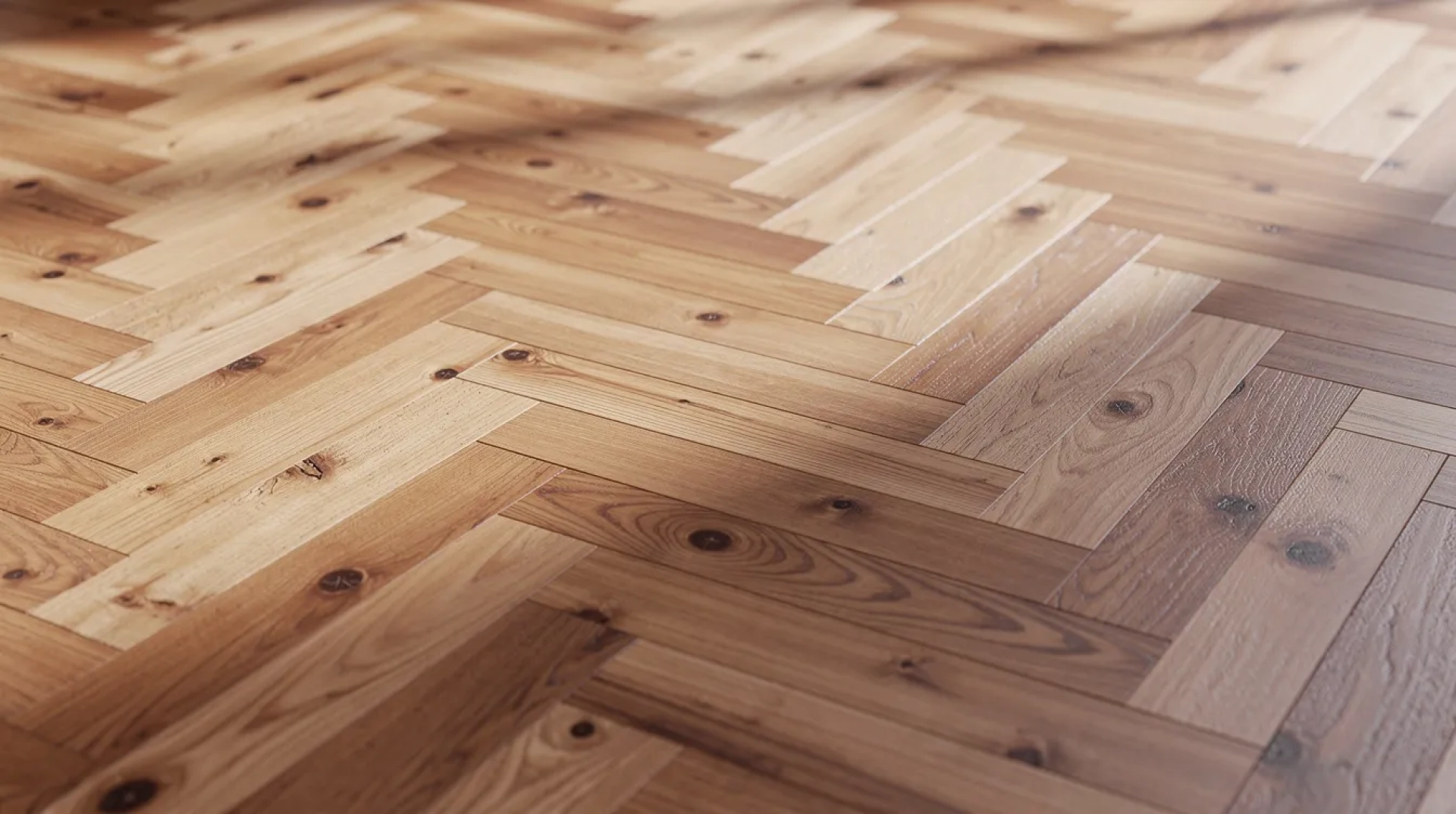
- Classic Herringbone – Affordable, elegant, and widely used.
- Basket Pattern – A more intricate look while still being cost-effective.
- French Chevron Parquet (45° cut) – More expensive due to higher production waste.
- Hungarian Chevron Parquet (60° cut) – Similarly complex, also more costly than standard patterns.
Board width and length also play a role in pricing. Narrower planks are easier to grade and more affordable, while wider boards (e.g., 180 mm) carry a higher price. Common lengths range from 600 mm up to 2.4 m, the maximum size typically used for convenient transport.

Pure Oak
Handcrafted Wood Flooring
Average Costs of Hardwood Flooring
Understanding the typical cost range of hardwood flooring helps homeowners plan a realistic budget. Prices vary by species, grade, and construction type.
| Flooring Type | Cost (£/sq ft) | Notes |
| Engineered hardwood (general) | 3.00 – 6.00 | Stable construction; often lower material cost |
| Solid hardwood (general) | 5.00 – 8.00 | Greater refinishing potential |
| Rustic-grade oak (engineered or solid) | 3.00 – 5.00 | Best value; authentic character |
| Red oak (basic solid grades) | 2.50 – 4.50 | Adaptable to stains; classic appearance |
| Installation Method | Cost (£/sq ft) | Characteristics |
| Floating (engineered click-lock) | 3.00 – 5.00 | Quick, DIY-friendly, requires quality underlay |
| Glue-down (engineered/parquet) | 4.00 – 5.00 | Stable over concrete, minimal movement, harder to replace individual planks |
| Nail-down (solid hardwood) | 4.00 – 6.00 | Most durable; permanent bond; requires plywood or OSB subfloor |
Additional Expenses:
- Subfloor preparation: £1.00 – 3.00 per sq ft
- Removal of existing flooring: £1.00 – 2.00 per sq ft
- Complex patterns (herringbone, chevron): +20 – 40% labour
- Moisture barrier and underlay: £1.00 – 2.00 per sq ft
- Trim and transitions: £5 – 15 per linear metre
Finishing Costs:
- Prefinished planks include sanding and sealing; no extra finish labour.
- Site-finished flooring adds £1.00 – 2.00 per sq ft for onsite sanding and sealing.
- Custom stains or oils increase total cost depending on product and labour required.
Long-Term Cost Comparison
While wood flooring often seems like a significant investment upfront compared to laminate flooring, LVT, or stone, over the decades, it proves more economical. Unlike laminates or vinyl, which may need replacing after 10 – 15 years, solid hardwood flooring and quality engineered wood can be renewed repeatedly through sanding and refinishing. This extends lifespan and reduces the overall cost compared to replacing cheaper floor types multiple times.

Ambre Ash Herringbone
Flooring for Underfloor Heating
Finding the Best Deals on Hardwood Flooring
Securing affordable hardwood flooring does not mean sacrificing quality. At 7Braci, homeowners can find cost-effective options within a thoughtfully curated range of floors. Whether you prefer solid oak planks, reclaimed character boards, or patterned parquet, there are ways to maximise value without overspending.
Here are some strategies for smarter hardwood purchases:
- Take advantage of seasonal promotions and clearance sales for significant savings on selected collections.
- Focus on popular domestic species — oak, maple, and hickory — for balanced affordability and durability. Explore our classic oak parquet collection for examples.
- Opt for rustic or economy grades if you appreciate natural colour variation and want to reduce material costs.
- Request free samples to test colour, grain, and finish before committing to a full order.
- Choose floating engineered installations where suitable to cut down on labour expenses.
By combining smart shopping habits with our carefully curated product range, you can achieve the perfect balance between affordability, durability, and timeless wood style. For additional inspiration, explore our parquet flooring patterns, which include classic herringbone, chevron, and designer marquetry options crafted by master artisans.
Benefits of Affordable Hardwood Flooring
Affordable hardwood flooring delivers many of the same benefits as premium options, including:
- Natural beauty – Warmth, character, and timeless design appeal.
- Durability – Even lower-cost hardwoods can last decades with proper care.
- Refinishing potential – Solid hardwood can often be refinished multiple times, while some engineered varieties can be refinished at least once.
- Health benefits – Hardwood floors do not trap dust and allergens like carpet.
- Increased home value – Hardwood flooring remains desirable and contributes to property value, even at entry-level price points.
Care and Maintenance
Maintaining affordable hardwood flooring ensures it remains attractive and durable:
- Sweep or vacuum regularly to avoid scratches from dirt and grit.
- Use damp mopping sparingly and avoid excess water.
- Apply protective pads under furniture and use area rugs in high-traffic zones.
- Control indoor humidity levels to prevent wood from expanding or contracting.
- Refinish when needed — solid hardwood allows multiple refinishes, while engineered floors with thicker veneers can be refinished at least once.
With consistent care, even budget-friendly hardwood floors can provide style and functionality for decades.
Concluding Thoughts
Engineered rustic-grade oak stands out as the most affordable option that still provides real wood flooring with timeless beauty. With a cost of roughly £3 – 5 per square foot plus floating installation, it is a budget-friendly option that offers authentic hardwood appeal, long life, and style across living spaces.
By selecting a domestic wood species with the right hardness rating, opting for lower-grade options, and balancing installation methods with additional costs, many homeowners can enjoy solid or engineered wood floors that combine quality, character, and affordability — a truly smart, significant investment for any home.
Looking for the perfect affordable wood flooring? Call 7Braci today and speak with our experts.
We’ll help you choose between solid wood flooring, engineered wood flooring, or other budget-friendly options, and connect you with professional installers for the best results.
Contact Us Now
Frequently Asked Questions
What Is the Rule of 3 Flooring?
The Rule of 3 is a design principle that combines three variations — for example, mixing solid wood flooring, engineered wood flooring, and real wood veneer panels. By blending widths, finishes, or textures, homeowners create depth and a visually engaging wood flooring type. Many homeowners use this concept in living rooms or open spaces where timeless beauty is most desirable.
What Is the Most Budget-Friendly Flooring?
Laminate flooring is often considered the cheapest type that imitates real wood. It provides a durable option with good scratch resistance in high-traffic areas and can be installed as a floating floor. While not genuine hardwood, laminate is a budget-friendly option for those seeking the look of wood without the higher price of solid hardwood flooring.
What Is the Most Affordable Flooring That Looks Like Wood?
Luxury vinyl tiles (LVT) deliver one of the most affordable options for realistic wood patterns. They are waterproof, easy to maintain, and quick to install. At £2 – 4 per square foot, LVT is currently the cheapest type of flooring that mimics genuine hardwood flooring while keeping the overall cost low.
Is Solid Wood Flooring Worth the Higher Price?
Yes. Solid wood flooring remains a highly durable and classic choice with timeless elegance. Unlike laminate or vinyl, solid wood can be sanded and refinished many times, meaning with proper care, it can last for generations. Although more labour-intensive to install and often requiring professional installers, it can increase a home’s resale value significantly.
What Are the Benefits of Choosing Eco-Friendly Options?
An eco-friendly option like reclaimed solid wood flooring or sustainably sourced engineered wood flooring reduces environmental impact while delivering timeless beauty. Eco-friendly options may also qualify for green building certifications and appeal to buyers interested in sustainability, making them a desirable feature for many homeowners.
Do I Need Professional Installers for Hardwood Flooring?
While some wood flooring types — such as floating engineered or laminate flooring — can often be DIY projects, solid hardwood flooring usually requires professional installers. This is because it often needs nail-down installation, precise moisture control, and sanding to achieve a high-quality finish. Professional installation ensures durability, reduces the risk of costly mistakes, and helps maintain your flooring warranty.