A bedroom should feel calm from the first step
The bedroom is one of the few spaces in the home where comfort matters more than display. It is where the day begins and ends, so the floor underfoot should support both warmth and quiet. For many homeowners, that is why wood flooring remains a natural choice. It brings softness to the eye, a timeless look, and a sense of balance that fits both classic and modern interiors. When chosen well, it can make a bedroom feel more welcoming without overwhelming the space.
Why wood works so well in sleeping spaces
Wood has a quality that many other materials cannot match: it feels alive, but not demanding. In a bedroom, this matters. You want a floor that looks refined, yet does not make the room feel cold or overly formal. Natural wood tones can soften strong light, pair easily with textiles, and create a peaceful background for the rest of the décor. It is also a practical option for those who want a durable floor that will age gracefully instead of looking tired after a few years.
Choosing the right type of wood floor
When selecting wood flooring for bedrooms, the first decision is usually between solid wood and engineered wood. Solid wood is valued for its authenticity and long lifespan, while engineered wood offers greater dimensional stability, which can be especially useful in homes with changing humidity levels. For many bedrooms, engineered wood is a very strong solution because it combines the appearance of real timber with improved performance. It is also available in a wide range of finishes, widths, and species, making it easier to match the style of the room.
What makes a floor comfortable in a bedroom
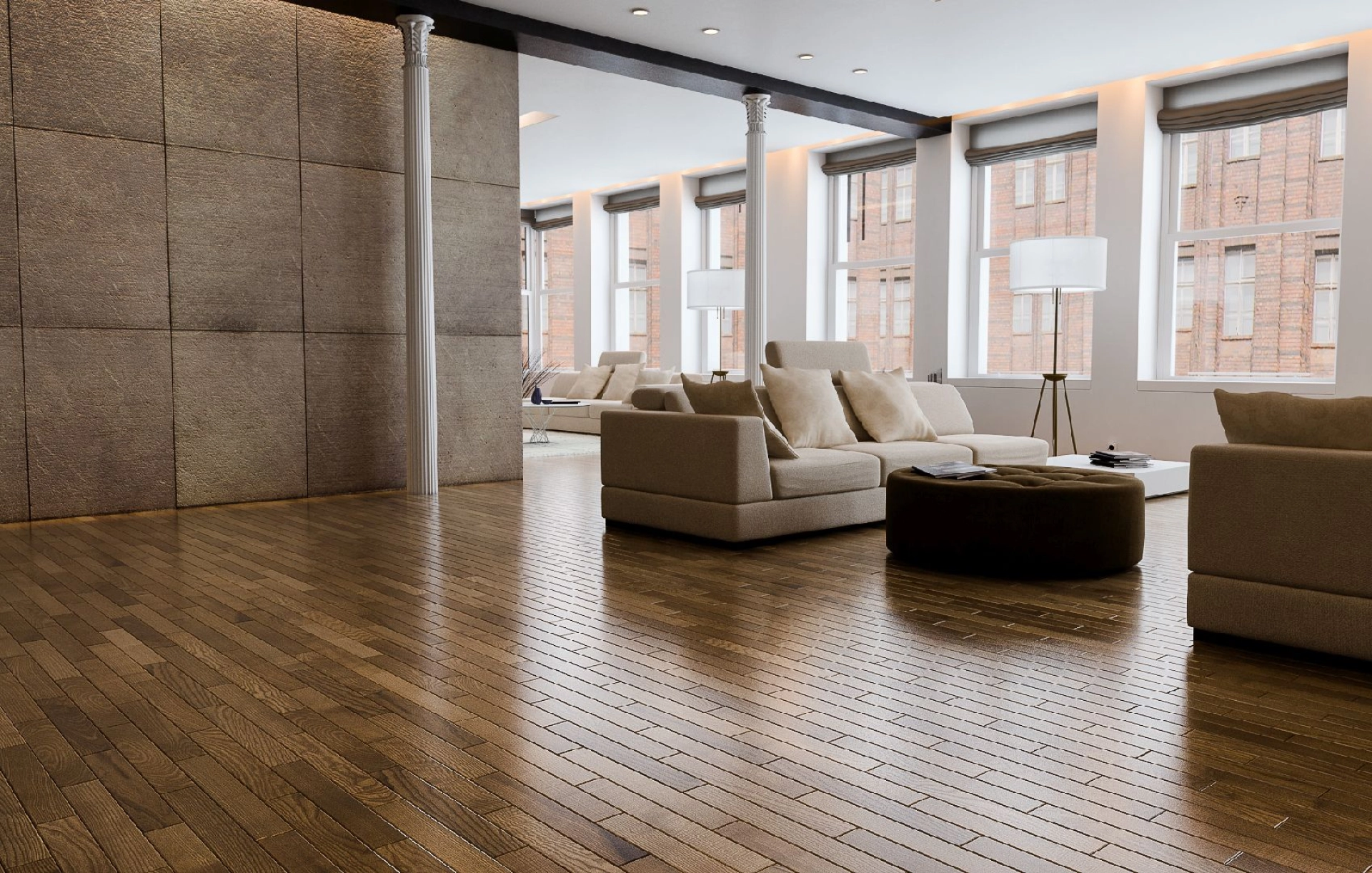
Comfort in a bedroom is not only about how the floor looks. It is also about how it feels when you step out of bed in the morning. A wood floor can be surprisingly pleasant underfoot, especially when paired with a well-placed rug beside the bed. The surface finish matters too. Brushed, matte, or oiled finishes tend to feel more natural and understated, while high-gloss floors can appear sharper and less relaxed. For a bedroom, many people prefer a finish that highlights the grain without making the room feel formal.
Best wood tones for a restful atmosphere
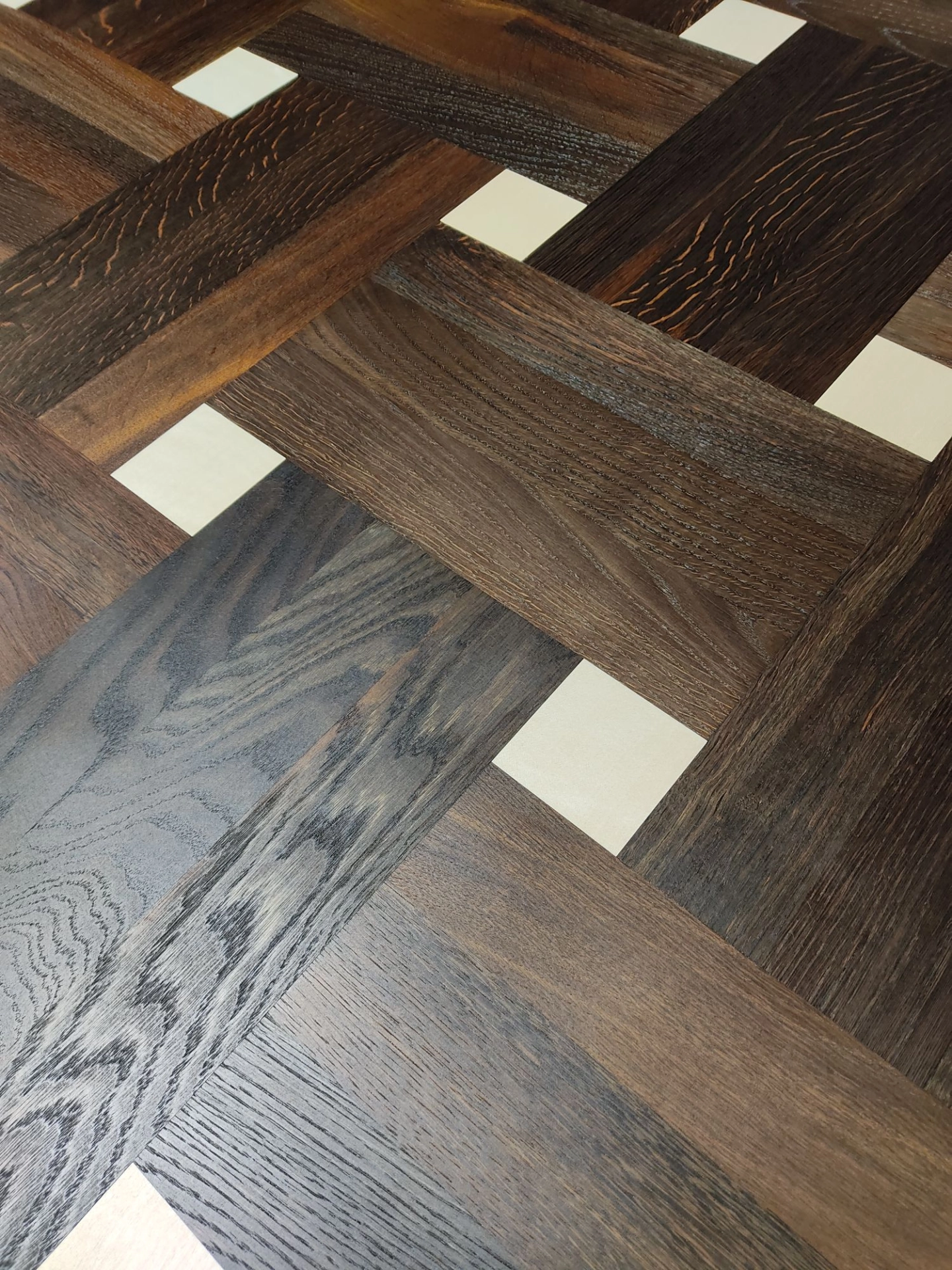
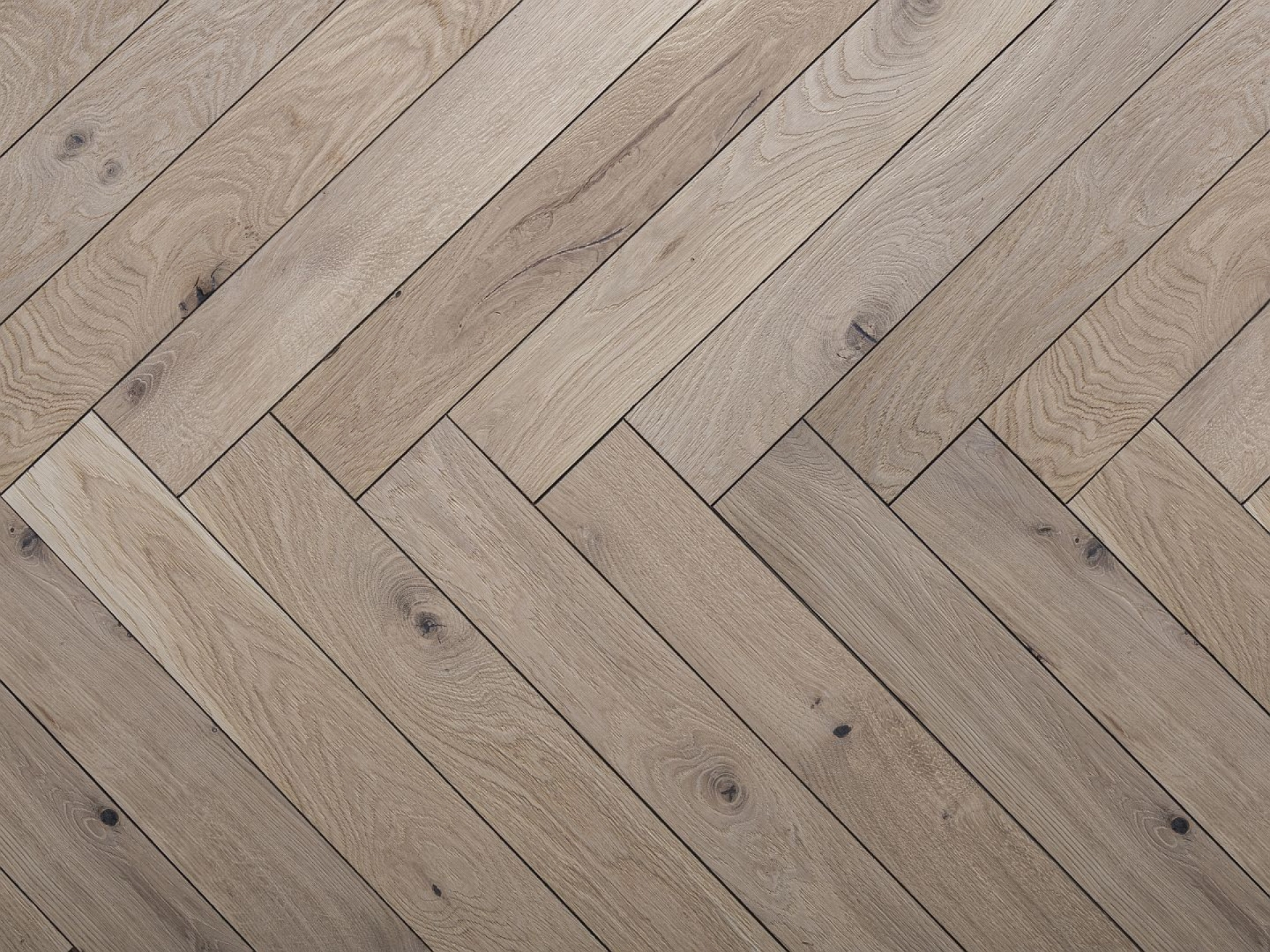
Color has a big impact on the mood of the room. Light oak tones are popular in bedrooms because they make the space feel airy, clean, and calm. They work well in smaller rooms and in interiors that use soft neutrals, linen, or Scandinavian-inspired furniture. Medium-toned woods create a warmer, more grounded atmosphere and are often a good choice when you want the bedroom to feel inviting rather than minimal. Dark wood can look elegant and dramatic, but it is best used with care, especially in smaller bedrooms where it may reduce the sense of openness.
Board size and layout also matter
Many people focus only on species and color, but the format of the floor can change the whole character of the bedroom. Wider boards usually create a more relaxed and contemporary feeling, while narrower boards can give a more traditional look. A long plank layout helps a room appear larger and less broken up. In bedrooms, this often works beautifully because it reinforces the sense of flow and calm. The direction of the boards can also influence the perception of the space, so it is worth considering the natural light and room shape before installation.
Practical considerations for everyday living
Bedrooms are not high-traffic spaces compared with kitchens or hallways, but the floor still needs to handle daily use. A good wood floor should resist light wear, support easy cleaning, and remain stable over time. This is why a quality finish is important. Oil finishes can offer a natural appearance and are often easy to refresh locally, while lacquered finishes can provide strong surface protection and simple maintenance. If the bedroom is part of a home with pets or children, it may be wise to choose a floor that is easy to care for and forgiving of small marks.
Matching the floor to the style of the room
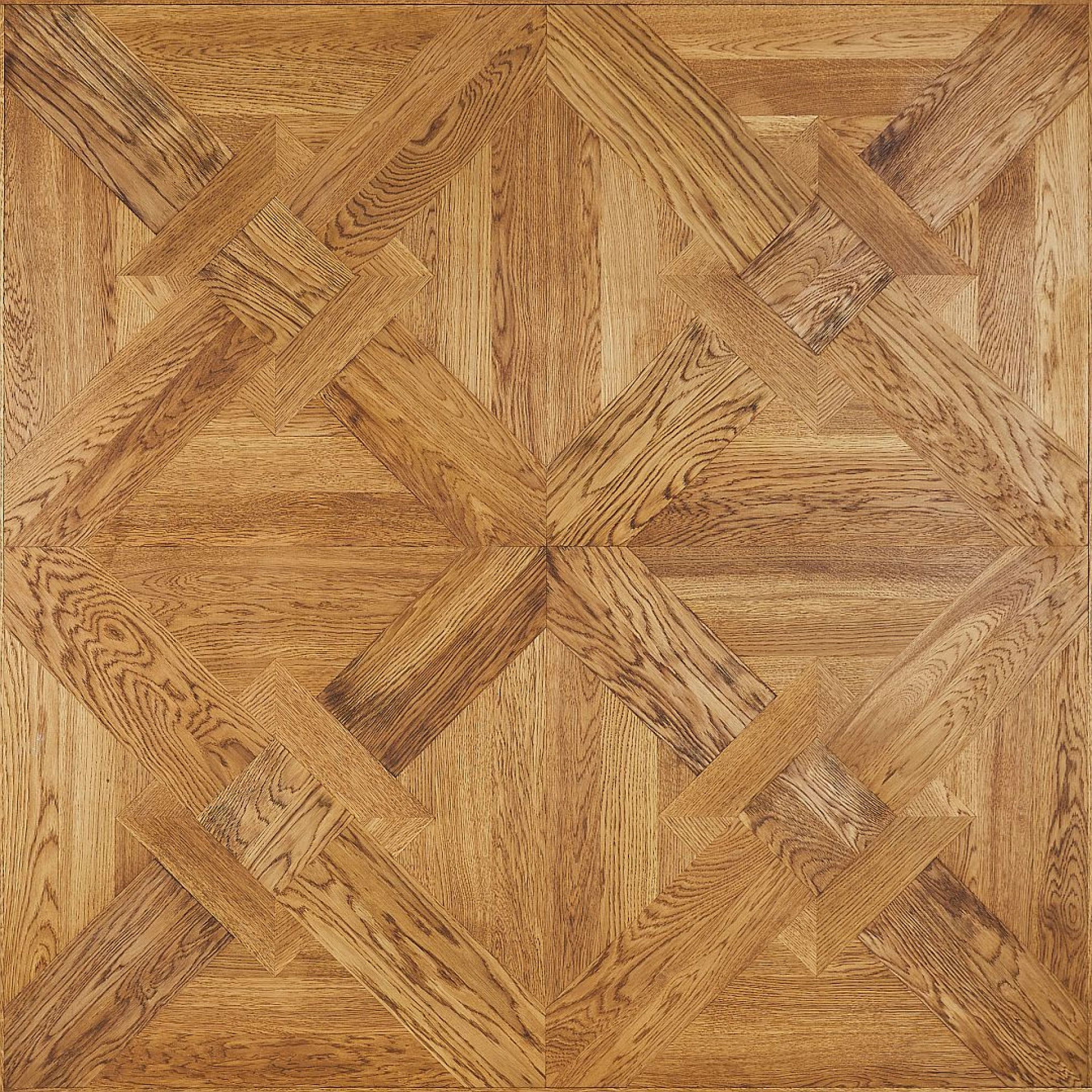
The best wood flooring for bedrooms is not always the most expensive or the most dramatic. It is the one that fits the room’s purpose and personality. A minimalist bedroom may benefit from pale, even-toned oak with a clean finish. A more traditional room might suit richer natural tones and visible grain. For a soft, hotel-inspired atmosphere, brushed wood with a matte surface can add quiet luxury without feeling excessive. The floor should support the room, not compete with it.
A long-term choice that adds value
Wood flooring is often seen as a design decision, but it is also a long-term investment. In a bedroom, where comfort and atmosphere are especially important, the right floor can add both daily enjoyment and lasting value to the home. It creates a foundation that feels personal, durable, and timeless. For homeowners looking for bedroom flooring that combines beauty with practicality, wood remains one of the most dependable choices available.
Final thoughts
When selecting bedroom flooring, think beyond trends and focus on how the room should feel every day. The best result usually comes from a floor that is calm, natural, and easy to live with. Whether you prefer light oak, warm honey tones, or a more refined darker finish, wood can help shape a bedroom that feels restful and complete. For expert guidance and quality craftsmanship, choosing a specialist makes all the difference.