Flooring That Works Hard Every Day
When a floor is expected to handle constant movement, it needs more than good looks. Hallways, kitchens, living rooms, entrance zones, and commercial-style home spaces all demand a surface that can cope with shoes, pets, furniture, spills, and daily cleaning. For many homeowners, wood remains the most desirable choice because it brings warmth, character, and timeless value. The key is choosing the right type of wood flooring and the right finish so the floor keeps its beauty even under heavy use.
High traffic areas are not the place for guesswork. A floor may look excellent in a showroom, but in a busy home it must resist dents, scratches, moisture, and wear over time. This is where knowledge of wood species, construction, and finishing becomes essential. A carefully selected wooden floor can perform for years while still aging gracefully.
What Makes a Wood Floor Suitable for Busy Spaces
Not every wooden floor is built the same. For high traffic areas, the most important factors are hardness, dimensional stability, finish resistance, and ease of maintenance. A harder wood species generally performs better against dents and everyday impact. A stable construction helps the floor cope with changes in temperature and humidity. A durable surface treatment protects against abrasion and makes cleaning easier.
It is also worth remembering that “best” does not always mean the hardest possible wood. In some homes, a slightly softer species with a strong engineered structure and a high-quality finish will outperform a very hard solid wood that is poorly installed or poorly maintained. The right balance matters.
Engineered Wood for Strength and Stability
For many high traffic interiors, engineered wood flooring is one of the smartest choices. It combines a real wood surface with a layered core that improves stability. This construction makes it less vulnerable to seasonal movement than solid wood, especially in areas where heating, cooling, or humidity fluctuate.
Engineered flooring is also available in many wear-layer thicknesses. A thicker wear layer allows for future sanding and refinishing, which is valuable in busy spaces. When properly chosen, engineered wood gives you the appearance and feel of natural timber with a structure designed for real-life demands.
Harder Species That Stand Up Well
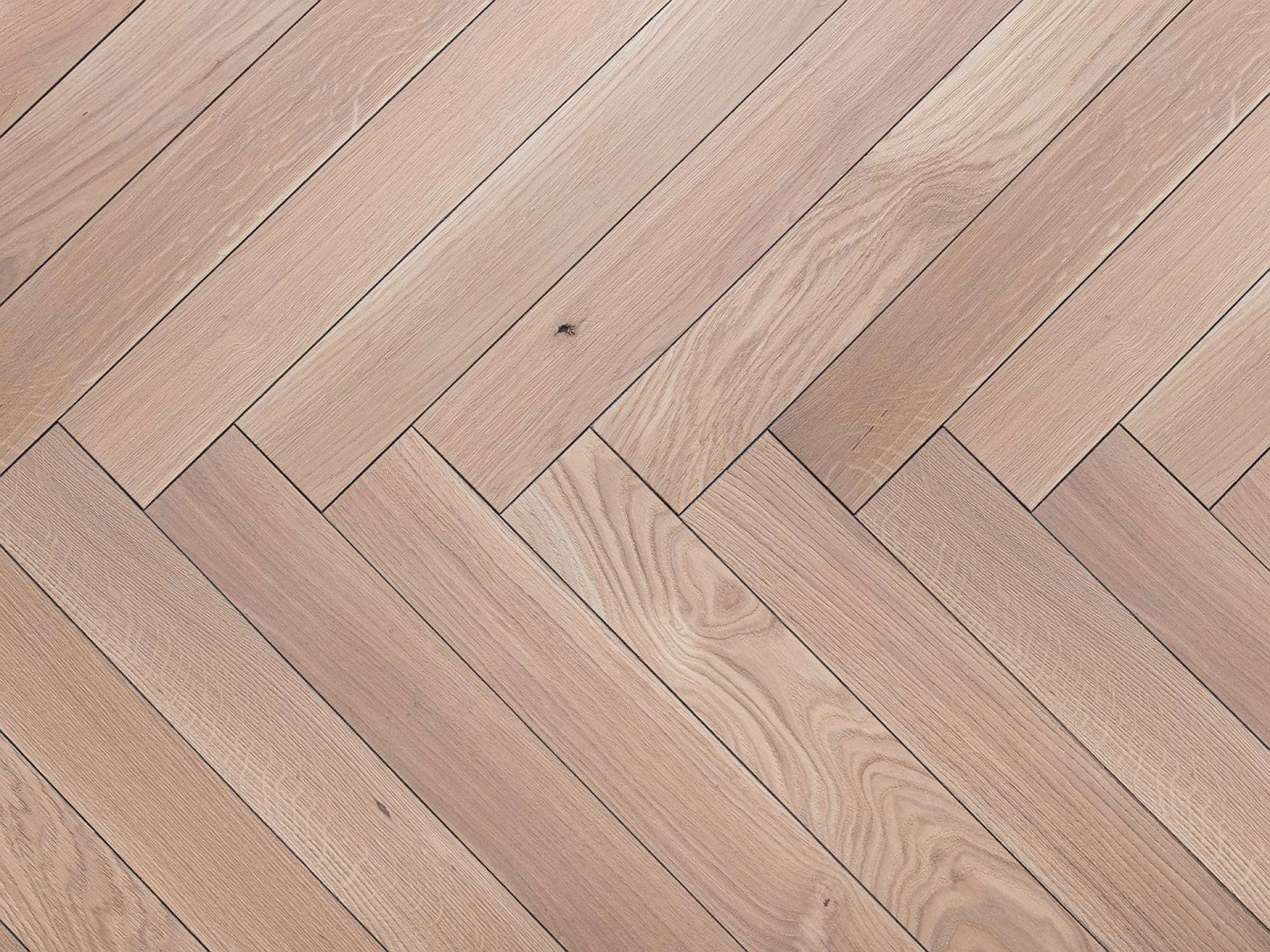
Among wood species, oak remains a classic and reliable option for busy areas. It offers a good mix of durability, availability, and visual appeal. Its grain pattern also helps disguise small marks better than very plain surfaces. Oak works beautifully in both traditional and modern interiors.
Ash is another strong and attractive choice, known for its resilience and lively grain. For clients seeking a richer tone and exceptional hardness, species such as walnut or some exotic timbers may be considered, though they often require more careful maintenance or higher investment.
In general, species with pronounced grain and natural variation tend to be more forgiving in high traffic zones. They do not show minor scratches and dust as quickly as very uniform surfaces.
Why Finish Matters as Much as the Wood
The finish is the first line of defense. In a busy area, a weak finish can make even a strong floor look tired quickly. Modern lacquered finishes offer excellent resistance to wear and are often chosen for homes where maintenance simplicity is important. They create a protective layer that helps reduce damage from foot traffic and cleaning.
Oiled finishes, on the other hand, penetrate the surface and create a more natural look and feel. They can be a superb option for people who value tactile warmth and the ability to spot-repair local damage. In high traffic areas, hardwax oils are often favored because they combine natural beauty with practical protection.
The right finish often depends on lifestyle. Homes with children, pets, and frequent visitors may benefit from a finish that is easy to clean and refresh. Clients who prefer a more organic appearance may lean toward oil, provided they are prepared for periodic upkeep.
Colour and Texture Can Help Hide Wear
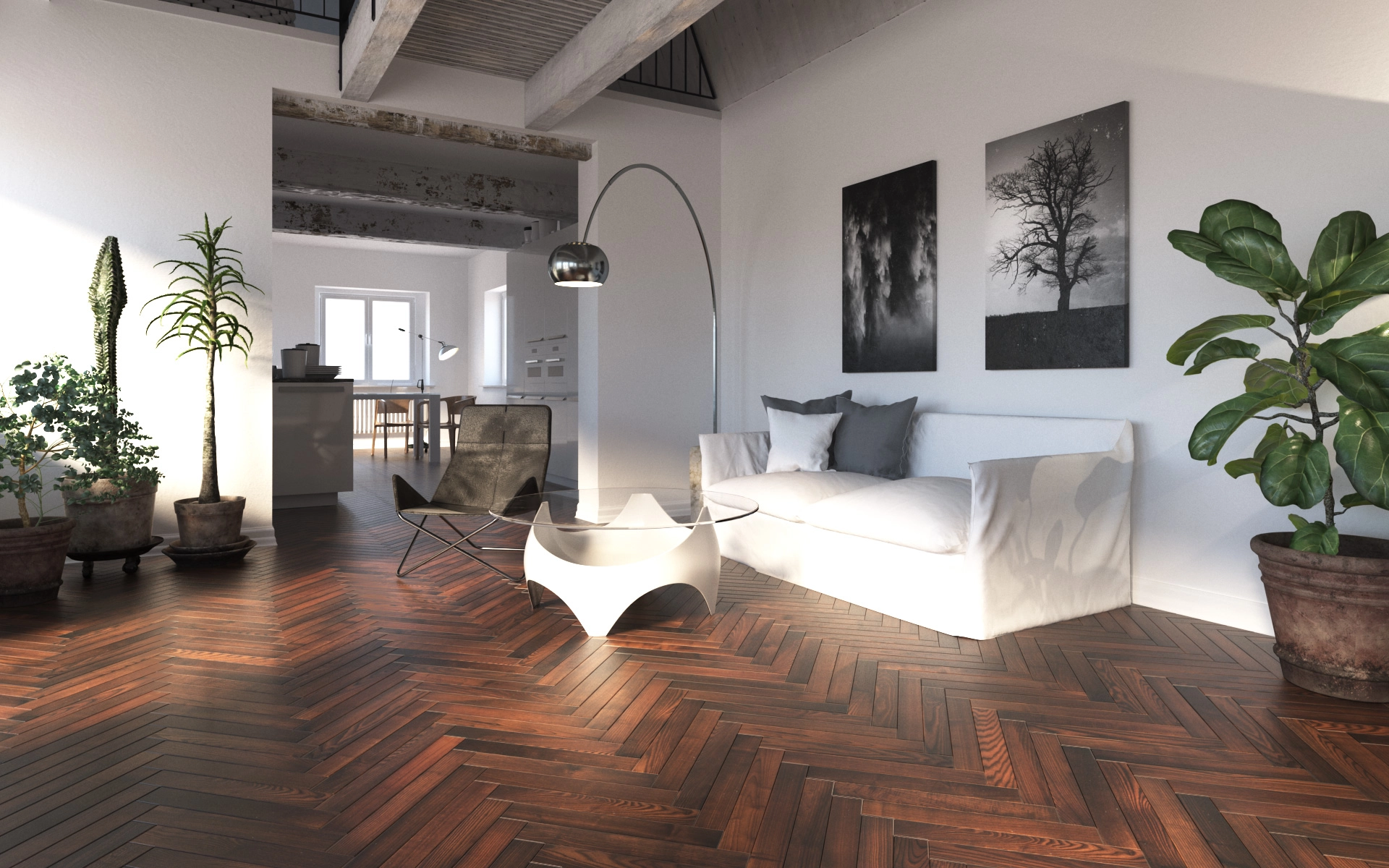
High traffic flooring is not only about performance. Appearance over time matters just as much. Mid-tone shades often perform better visually than very dark or very light floors, because they do not highlight dust, scratches, or minor marks as strongly. Brushed or textured surfaces can also help disguise everyday wear while adding a refined, natural character.
Very smooth, glossy floors may look impressive at first, but they tend to show footprints and surface marks more quickly. For active areas, a matte or satin look usually offers the best practical result without sacrificing elegance.
Installation and Maintenance Make the Difference
Even the best wooden floor can disappoint if it is installed incorrectly. Proper subfloor preparation, moisture control, and professional fitting are crucial in high traffic areas. Expansion gaps, underlay choice, and acclimatisation all play a role in long-term stability.
Maintenance is equally important. Regular sweeping or vacuuming removes abrasive grit that can wear down the surface. Using the correct cleaning products prevents finish damage. Felt pads under furniture, entrance mats, and quick attention to spills all help extend the life of the floor.
Choosing the Right Wood Floor with Confidence
For high traffic areas, the best wood flooring is usually the one that combines durability, stability, and a finish suited to daily life. Engineered oak with a strong protective surface is often an excellent all-round solution. Brushed textures, practical tones, and professional installation further improve performance.
Wood flooring should never feel like a compromise. In the right specification, it brings natural beauty and serious endurance together. For homeowners who want a floor that looks refined and works hard every day, the answer lies in choosing a product designed for real use, not just display.