Wood Floors That Work Beautifully in Everyday Life
Wooden floors are often chosen for their warmth, natural character, and timeless look, but the best floor is not only about appearance. In spaces where life happens every day, the right wood should also be practical, durable, and easy to maintain. For many homeowners, that means choosing a floor that can handle frequent cleaning, changing humidity, and heavy use without losing its charm.
When you are selecting a wooden floor, it helps to think beyond style alone. The right choice should suit the room, the household, and the way the space is used. This is especially true in areas where spills, foot traffic, and constant movement are part of daily life. A well-chosen wood floor can offer both comfort and resilience for years.
Why Kitchens Need a Different Approach
A kitchen places unique demands on any flooring material. It is a room where water, heat, dropped utensils, and frequent cleaning are normal. That is why not every wood floor will perform equally well there. The most suitable options are usually those with strong stability, a durable surface, and a finish that helps protect the wood from moisture and wear.
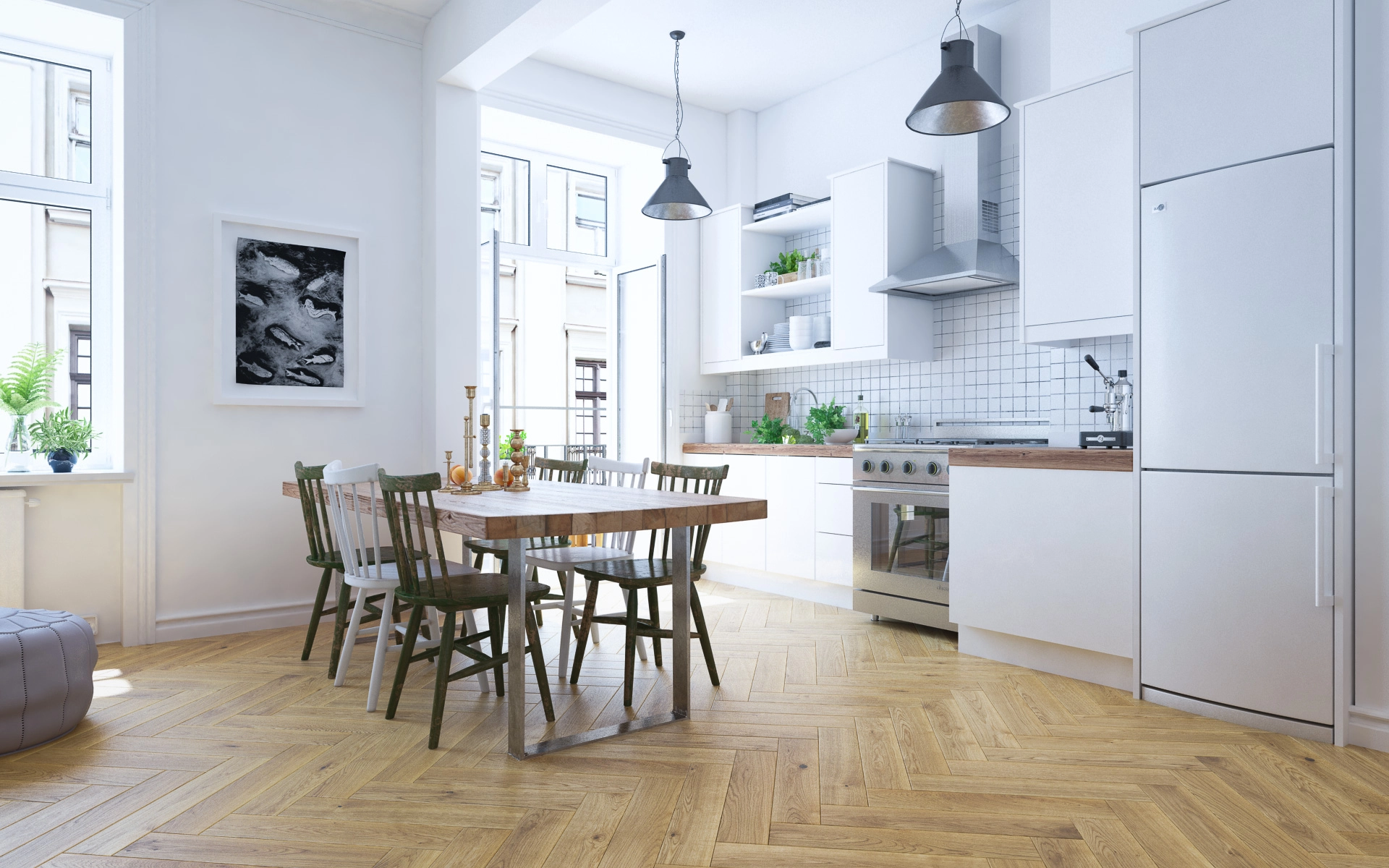
For this reason, many homeowners prefer engineered wood rather than solid wood in kitchen settings. Engineered boards are made in layers, which makes them more dimensionally stable and less likely to react dramatically to changes in temperature and humidity. This stability is a major advantage in kitchens, especially in modern homes where the room is often busy from morning to night.
Engineered Wood as a Reliable Choice
If you are looking for the best wood flooring for kitchens, engineered wood is often the most practical starting point. It combines the natural beauty of real timber with improved performance. The top layer is genuine hardwood, so you still get the authentic grain, tone, and texture that people love, while the layered structure underneath supports better durability.
Engineered wood also works well with many kitchen designs, from contemporary spaces with clean lines to traditional interiors with warmer details. Oak remains one of the most popular species because it is versatile, strong, and visually balanced. Other hardwoods can also be suitable, but oak tends to offer the best combination of availability, performance, and timeless appeal.
Surface Finish Matters More Than Many People Realize
The finish on a wooden floor plays a major role in how it performs in a kitchen. A matte or brushed finish can be particularly helpful because it often makes small marks, dust, and everyday wear less visible. Lacquered finishes tend to offer a strong protective layer, while oiled finishes allow the natural character of the wood to come through more clearly and can be easier to refresh locally over time.
There is no single perfect finish for every home. The best choice depends on how much maintenance you want to do and the overall look you prefer. In busy kitchens, a finish that offers good resistance to stains and easy cleaning is usually the most appreciated in the long run.
Colour and Grain Can Help the Floor Stay Beautiful
Kitchen floors are seen constantly, so it is worth choosing a colour and grain pattern that will age gracefully. Mid-tones and natural oak shades often strike a good balance: they are warm, welcoming, and forgiving when it comes to day-to-day marks. Very light floors can create a bright, spacious feeling, while darker floors can add elegance and contrast, though they may show dust more easily.
Pronounced grain patterns can also be practical. They help disguise small imperfections and give the room a more lived-in, natural feel. For many homeowners, this is part of the appeal of real wood: it becomes more attractive with time and use, rather than looking overly perfect or artificial.
Comfort Underfoot and Compatibility with Heating
Another reason wood remains such a strong choice is comfort. Compared with tile or stone, wood feels warmer and softer underfoot. This can make a kitchen more pleasant to use, especially in homes where people spend long periods cooking, talking, and gathering together. It also helps create a more inviting atmosphere in an open-plan living space.
If your kitchen includes underfloor heating, engineered wood is usually the better option. It is more stable and generally better suited to temperature changes. As always, proper installation and product guidance are essential to ensure the floor performs well and remains within the manufacturer’s recommendations.
Maintenance That Fits Real Homes
A kitchen floor should be easy to live with. Wooden flooring does not need to be difficult, but it does benefit from sensible care. Regular sweeping or vacuuming helps remove grit that could scratch the surface. Spills should be cleaned promptly, and furniture should be protected with pads where needed. These simple habits go a long way toward preserving the floor’s condition.
It is also wise to use mats in key areas, such as near the sink or cooking zone, provided they are compatible with wood flooring and do not trap moisture underneath. Good maintenance is not about making the floor precious; it is about helping it keep its natural beauty while remaining part of everyday life.
Choosing the Right Floor with Confidence
The best wood flooring for kitchens is the one that brings together beauty, durability, and ease of care. In most cases, that means a high-quality engineered wood floor, ideally in a stable hardwood such as oak, with a finish that suits your daily routine. The final decision should also reflect your home’s style, lighting, and how much traffic the room receives.
At 7braci.com, we believe a wooden floor should be more than a surface. It should support the life of the home and grow more charming with time. When selected carefully, kitchen wood flooring can offer all the practicality a busy household needs and all the natural character people want from real timber.