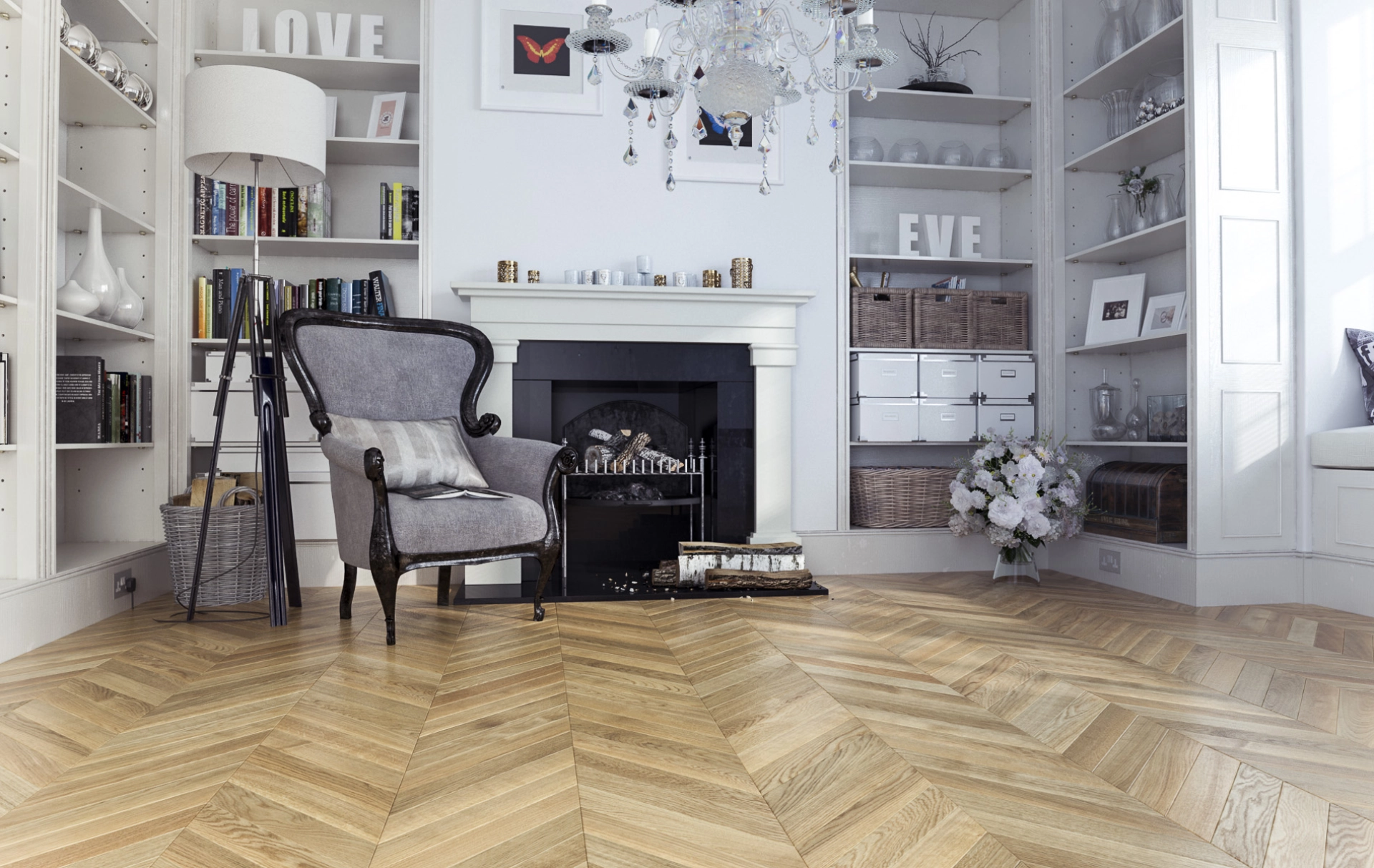
Oak flooring is one of the most popular choices for homes and commercial spaces because it is durable, timeless, and adds natural warmth to any interior. If you have invested in oak flooring, proper care will help it stay beautiful for many years. Knowing how to maintain oak flooring is essential for protecting its appearance, preventing damage, and extending its lifespan. At 7braci.com, our wooden floor specialists and joinery experts recommend a simple routine of cleaning, protecting, and maintaining the right indoor conditions to keep oak floors looking their best.
Why Oak Flooring Needs Regular Maintenance
Oak is a strong hardwood, but like all natural materials, it responds to changes in moisture, temperature, and everyday wear. Dirt, grit, spills, and heavy furniture can all mark the surface over time. Regular maintenance helps prevent scratches, fading, and moisture damage. Whether you have solid oak flooring or engineered oak flooring, the right care routine will protect the finish and preserve the natural beauty of the wood grain.
Daily and Weekly Cleaning Tips
The best way to maintain oak flooring is to stop dirt from building up in the first place. Dust, sand, and small stones act like abrasives and can scratch the surface when walked on. Sweep or vacuum your oak floor regularly using a soft-bristle brush attachment or a vacuum designed for hard floors. Avoid using a rotating brush head, as this may cause marks.
For day-to-day cleaning, use a dry microfibre mop to remove dust and light debris. If your floor needs a deeper clean, use a slightly damp mop rather than soaking the surface. Too much water can seep into the wood and cause swelling, cupping, or staining. Always clean up spills quickly to protect the finish and prevent long-term damage.
Use the Right Cleaning Products
Choosing suitable cleaning products is a key part of how to maintain oak flooring properly. Avoid harsh chemicals, bleach, ammonia-based cleaners, and steam mops, as these can damage the protective finish and affect the wood itself. Instead, use a pH-neutral cleaner that is designed specifically for wooden floors.
If your oak flooring has an oil, lacquer, or hardwax finish, check the manufacturer’s recommendations before applying any product. Different finishes require different care. Using the wrong cleaner can strip the surface protection or leave a residue that dulls the appearance of the floor.
Protect Oak Flooring from Scratches
One of the most common issues with oak flooring is surface scratching. Fortunately, there are several simple ways to reduce this risk. Place felt pads under furniture legs, especially chairs, tables, and sofas that are moved often. Use protective mats under heavy furniture and roller chairs, and choose rugs in high-traffic areas such as hallways and entrances.
It is also a good idea to trim pet claws regularly and keep shoes with sharp heels or hard soles off the floor where possible. A no-shoes policy indoors can make a big difference to the long-term condition of your oak floor. Small habits like these go a long way when learning how to maintain oak flooring effectively.
Control Moisture and Indoor Conditions
Wood naturally expands and contracts with changes in humidity. To keep oak flooring stable, try to maintain a consistent indoor environment. Ideal humidity levels are usually between 40% and 60%. If your home is too dry, the wood may shrink and develop gaps. If it is too damp, the boards may swell or warp.
During winter, central heating can dry out the air, while in summer high humidity can put pressure on the floorboards. Using a humidifier or dehumidifier can help keep conditions balanced. This is especially important for solid oak flooring, but engineered oak flooring also benefits from stable room conditions.
How to Deal with Spills and Stains
Accidents happen, but quick action can prevent permanent marks. If liquid is spilled on oak flooring, wipe it up immediately with a soft, dry cloth. For sticky residue or marks, use a lightly damp cloth followed by a dry one. Never leave standing water on the surface.
For stubborn stains, avoid scrubbing aggressively. Instead, use a cleaner suitable for your floor’s finish and test it on a small hidden area first. In many cases, prompt cleaning is enough to stop a spill from becoming a stain. The sooner you act, the easier it is to keep your oak flooring in excellent condition.
Maintenance for Oiled, Lacquered, and Unfinished Oak Floors
Different finishes need different maintenance routines. Oiled oak flooring may need periodic re-oiling to refresh the protective layer and enhance the natural grain. This helps the floor remain resistant to dirt and moisture while keeping its rich appearance.
Lacquered oak flooring is generally easier to clean and offers strong surface protection. It usually requires less frequent treatment, but the finish should still be checked over time for signs of wear. If scratches or dull patches appear, professional refinishing may be needed.
Unfinished oak flooring needs more careful treatment and should be sealed as soon as possible after installation. Because it has no surface protection initially, it is more vulnerable to stains and moisture damage. If you are unsure what type of finish your floor has, a flooring specialist can advise on the correct maintenance routine.
When to Refinish Oak Flooring
Even with good care, oak flooring may eventually show signs of age. If the surface looks dull, worn, scratched, or uneven, refinishing may restore its original beauty. Depending on the type of flooring and finish, this could involve cleaning and re-oiling, screening and re-lacquering, or sanding and resealing.
Solid oak flooring can usually be sanded multiple times over its lifetime, while engineered oak flooring may only allow limited sanding depending on the thickness of the top layer. If you are unsure whether your floor is suitable for refinishing, speak to a wooden floor specialist before starting any work.
Seasonal Oak Flooring Care
Oak flooring benefits from seasonal checks. In spring and summer, monitor for humidity changes and open windows where possible to improve ventilation. In autumn and winter, protect the floor from muddy shoes, wet umbrellas, and extra moisture brought in from outside.
Use entrance mats at all doors to reduce dirt and grit. In kitchens, place mats near sinks and cooking areas to catch spills. In living rooms and bedrooms, rotate rugs occasionally to even out wear and fading from sunlight. These simple seasonal habits help preserve the look of your oak flooring all year round.
Professional Help for Long-Term Care
If your oak floor has significant scratches, water damage, or worn finishes, professional restoration may be the best solution. A specialist can assess the condition of the flooring and recommend the right treatment, whether that is deep cleaning, repair, sanding, or refinishing. Professional advice is especially useful for high-value flooring or floors with custom joinery details.
At 7braci.com, our wooden floor specialists and joinery team work with oak flooring every day and understand how to maintain oak flooring properly for lasting results. With the right cleaning routine, protective measures, and expert care when needed, your oak floor can remain a beautiful feature of your home for decades.
Final Tips on How to Maintain Oak Flooring
To summarise, the best way to maintain oak flooring is to keep it clean, dry, and protected from everyday wear. Sweep or vacuum regularly, use suitable products, control moisture levels, protect against scratches, and treat spills quickly. With consistent care, oak flooring will continue to bring natural character and value to your property.