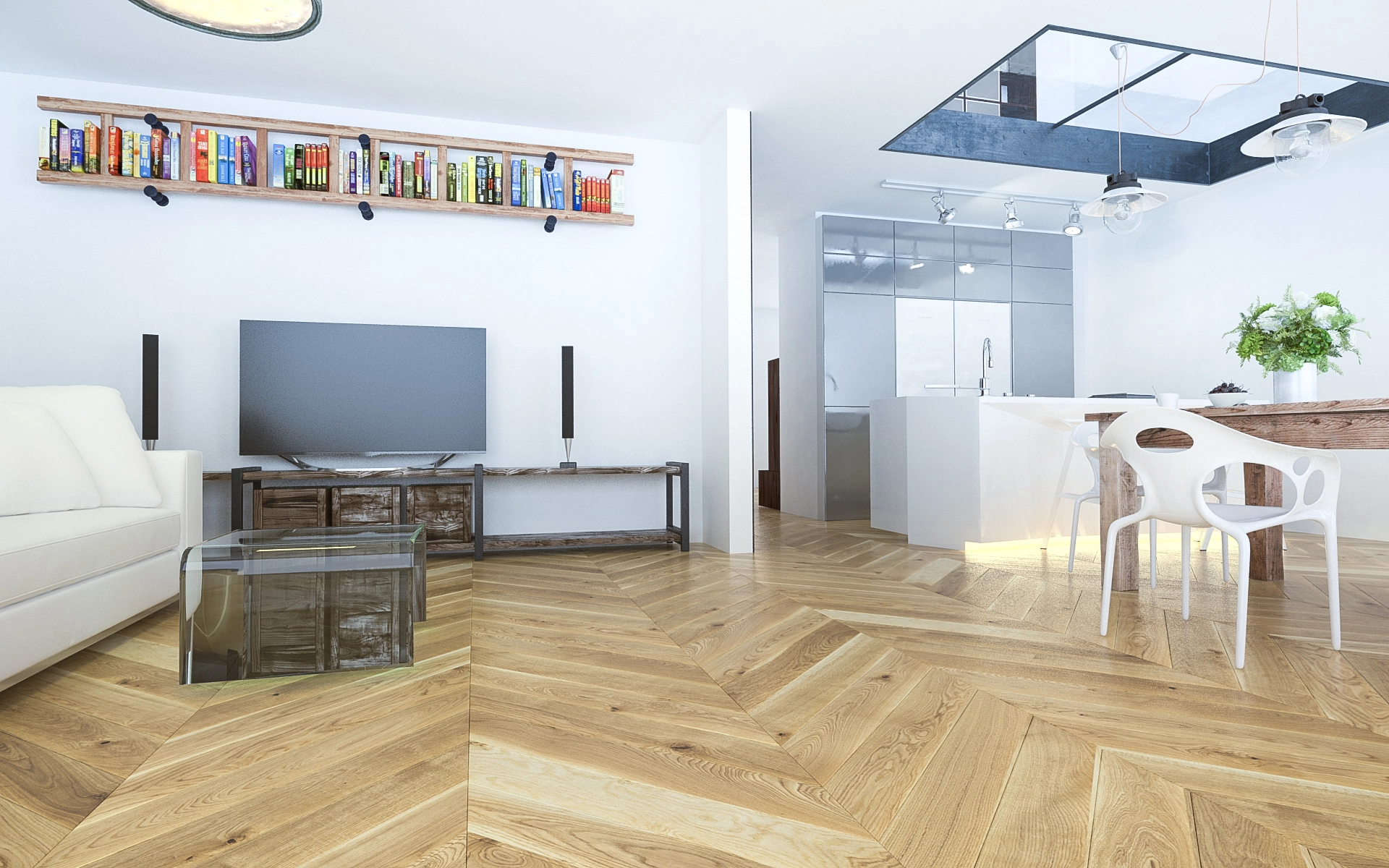
Choosing a finish that protects the beauty of wood
When people start looking for a wooden floor, they usually imagine warmth, texture, and a surface that will age gracefully. Parquet flooring delivers exactly that, but its final look and everyday durability depend heavily on one decision: the finish. The best finish for parquet flooring is not only about appearance. It affects how the floor feels underfoot, how easy it is to clean, how well it resists wear, and how often it will need renewal.
For homeowners and designers alike, the right finish should support the character of the wood rather than hide it. That is especially important with parquet, where the pattern itself is part of the charm. Whether you are restoring an older home or planning a new interior, understanding the available finishes helps you make a better long-term choice.
What the finish actually does
A finish is the protective layer applied to the surface of the wood. It shields parquet from moisture, dirt, scratches, and daily use. It also defines the visual effect: some finishes create a natural matte look, while others add shine and deepen the color. In practical terms, a good finish should preserve the structure of the wood and make maintenance manageable without changing the floor into something plastic or artificial.
With parquet flooring, the finish must work with the joints, grain, and movement of the wood. Because parquet is made from individual blocks or patterns, the coating should protect evenly while still allowing the floor to breathe and age naturally.
Oil finish: natural appearance and easy local repairs
For many wooden floor lovers, oil is the most attractive option. It penetrates into the wood rather than sitting only on top, which means the floor keeps a very natural look and feel. The grain becomes more visible, the color often looks richer, and the surface remains pleasantly tactile.
Oiled parquet is especially valued in interiors where authenticity matters. It suits homes that aim for a warm, organic atmosphere. One of its greatest strengths is repairability. Small marks or worn areas can often be refreshed locally without refinishing the entire floor. That makes oil a strong choice for busy households and for anyone who wants their parquet to remain easy to maintain over time.
The trade-off is that oiled floors usually need more regular care than fully sealed surfaces. They benefit from periodic maintenance products, and some owners prefer this commitment because it helps the floor stay beautiful for years.
Varnish finish: strong protection for active spaces
Varnish, also known as lacquer, creates a protective film on the surface of the parquet. This makes it one of the most durable finishes for everyday use. It is often chosen for family homes, apartments with pets, and spaces that see constant traffic. If practicality is the top priority, varnish is hard to beat.
Modern varnishes come in many looks, from matte to semi-gloss, so they no longer have to create a highly reflective effect. A good matte varnish can preserve a natural appearance while still offering excellent resistance to abrasion and stains. This is why many people searching for a wooden floor end up choosing varnished parquet: it combines beauty with simplicity.
The main limitation is that repairs are less flexible. If the surface becomes badly worn or scratched, the treatment may need to be renewed over a larger area. Still, for a floor that must handle daily life with minimum fuss, varnish remains one of the best finishes for parquet flooring.
Hardwax oil: a balanced modern solution
Hardwax oil has become a favorite in contemporary interiors because it combines some of the best qualities of oil and varnish. It penetrates the wood and also leaves a protective surface layer, offering a good balance between natural appearance and practical resistance.
Parquet finished with hardwax oil usually looks elegant, matte, and close to raw wood, while still being easier to clean than a purely traditional oil finish. It is a popular choice for people who want a refined, understated floor without the “sealed” look that some varnishes can create.
This finish is particularly suitable for living rooms, bedrooms, and representative areas where appearance matters as much as performance. It also allows for spot maintenance, though the results depend on the product used and the skill of the installer.
How to choose the best finish for your parquet
The best finish is not the same in every home. The decision should depend on your lifestyle, interior style, and how much maintenance you are ready to accept. If your priority is a warm, natural feeling and the ability to refresh the floor in sections, oil may be the right answer. If you need maximum resistance and straightforward cleaning, varnish is often the safer choice. If you want a compromise between aesthetics and practicality, hardwax oil is an excellent option.
It is also worth considering the type of parquet itself. Some woods are more expressive and benefit from a matte, natural finish. Others can handle a slightly stronger visual effect. The size of the room, amount of daylight, and overall interior design all influence how the finish will appear once installed.
The finish should serve the wood, not dominate it
A well-chosen finish does more than protect parquet flooring. It respects the wood’s structure, enhances its character, and makes the floor enjoyable in daily life. That is why the “best” finish is the one that matches both the material and the way the space is used. A wooden floor is an investment in comfort and atmosphere, so the finish should help it perform for many years, not just look good on day one.
At 7braci.com, parquet is treated as more than a surface. It is a part of the home’s identity. Choosing the right finish is one of the most important steps in getting a floor that feels authentic, durable, and timeless.