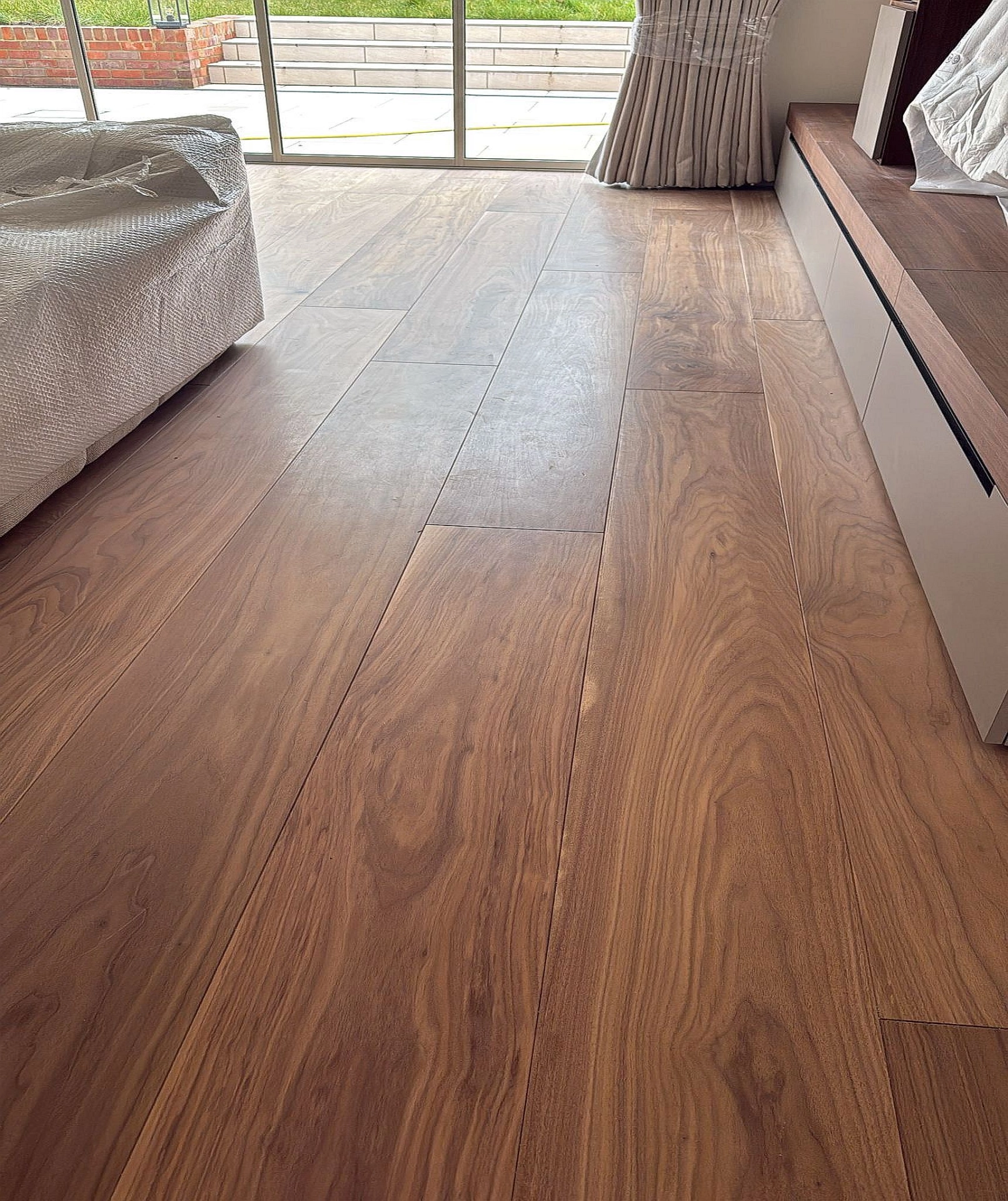
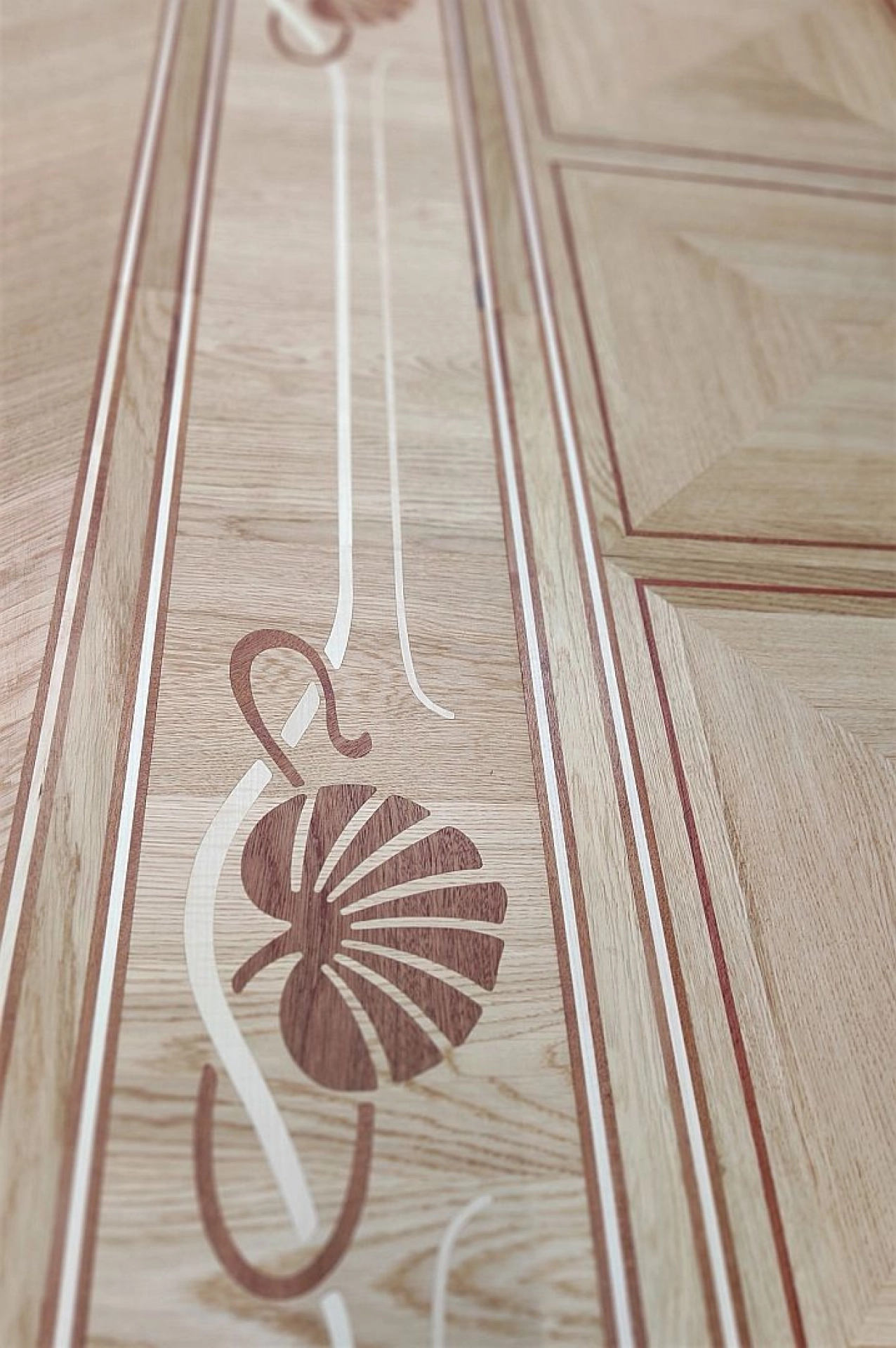
Parquet flooring is a beautiful and timeless feature that can transform any home. Over time, however, parquet blocks can become dull, scratched, stained, loose, or damaged by moisture and general wear. The good news is that in most cases, parquet flooring can be restored rather than replaced. With the right approach, you can bring back the natural character, warmth, and elegance of your wooden floor.
At 7braci.com, we specialise in wooden floor restoration and joinery, and we often help homeowners revive tired parquet floors to make them look as good as new. This guide explains how to restore parquet flooring, when DIY is possible, and when it is best to call in a professional wooden floor specialist.
What Is Parquet Flooring?
Parquet flooring is made from small wooden blocks or strips arranged in decorative patterns such as herringbone, basket weave, or chevron. It is commonly made from hardwoods like oak, which are durable and long-lasting. Because parquet is made from real wood, it can usually be sanded, repaired, and refinished multiple times.
This makes parquet an excellent investment, but only if it is properly maintained and restored when needed. A professional restoration can dramatically improve the appearance and lifespan of the floor.
Signs Your Parquet Floor Needs Restoring
If your parquet flooring has lost its shine or looks uneven, it may be time for restoration. Common signs include scratches, faded colour, water marks, gaps between blocks, loose pieces, lifting edges, and worn-out finish. In some cases, the floor may also creak or feel uneven underfoot.
If the damage is mostly cosmetic, sanding and refinishing may be enough. If blocks are loose, missing, or affected by moisture, more extensive parquet floor repair may be required before restoration can begin.
Step 1: Inspect the Floor Carefully
The first step in restoring parquet flooring is a full inspection. Check for loose blocks, broken pieces, deep dents, stains, and signs of damp. Look for any areas where the floor has lifted or where adhesive may have failed. It is also important to check whether the parquet is solid wood or engineered, as this affects how much sanding it can safely take.
Understanding the condition of the floor before starting is essential. Sanding a floor that is already thin or unstable can cause more damage, so a proper assessment is always the best place to begin.
Step 2: Clean the Parquet Thoroughly
Before any restoration work starts, the floor must be cleaned. Remove dust, dirt, and debris using a vacuum with a soft floor attachment. Then clean the surface with a wood-safe cleaner. Avoid soaking the floor, as excessive water can damage parquet blocks and weaken adhesive.
If there is old wax, polish, or grease on the surface, this may need to be stripped before sanding. A clean surface helps ensure an even finish and prevents sanding dust from becoming trapped in the wood.
Step 3: Repair Loose or Damaged Blocks
One of the most important parts of restoring parquet flooring is repairing any loose or damaged blocks. Loose blocks should be carefully lifted, cleaned, and re-adhered using the correct wood adhesive. Missing or broken blocks may need to be replaced with matching timber to preserve the pattern and appearance of the floor.
Gaps can sometimes be filled with wood filler or resin, depending on the size and condition of the opening. If there is a moisture issue underneath the floor, this should be solved before any repairs are made. Otherwise, the same problem may return.
Step 4: Sand the Parquet Floor
Sanding is the stage that transforms a tired parquet floor. It removes the old finish, light scratches, and surface imperfections, revealing fresh wood underneath. Because parquet is laid in patterns and often includes end grain, sanding must be done carefully and evenly to avoid uneven results.
Professional wooden floor sanding equipment is usually used for this step. The process often begins with a coarser grit and moves to finer grits to create a smooth surface. Edge sanding may also be needed around skirting boards and corners. If you are restoring parquet flooring yourself, take extra care not to over-sand, especially if the blocks are thin.
Step 5: Fill Gaps and Fine Imperfections
After sanding, small gaps, nail holes, or minor cracks can be filled. For parquet floors, it is common to use a flexible wood filler or a resin mixed with fine sanding dust from the same floor. This helps create a natural-looking repair that blends with the surrounding blocks.
Filling should be done after the initial sanding and before the final sanding pass, so the repaired areas can be smoothed and integrated into the floor properly.
Step 6: Apply the Right Finish
Once the floor is sanded and repaired, the final step is to apply a protective finish. This may be oil, lacquer, or hardwax oil, depending on the desired look and level of durability. Oil enhances the natural grain and gives parquet a warm, traditional appearance. Lacquer provides a tougher surface and can be a good choice for high-traffic areas.
Choosing the right finish is important because it affects both the look and maintenance of your floor. A professional can recommend the best option based on the type of parquet, the condition of the wood, and how the room is used.
Can You Restore Parquet Flooring Yourself?
Minor cleaning, light repairs, and refreshing the finish may be possible as a DIY project. However, full parquet floor restoration is often best left to specialists, especially if the floor is old, damaged, or uneven. Parquet flooring is more complex than standard floorboards because of the pattern, block layout, and sensitivity of the wood.
If sanding is done incorrectly, the floor can become patchy, lose its pattern definition, or suffer permanent damage. A professional parquet restoration service will have the right tools, experience, and materials to complete the work safely and achieve a high-quality finish.
How to Maintain Restored Parquet Flooring
After restoration, proper care will help keep your parquet floor looking beautiful for years. Sweep or vacuum regularly to remove grit and dust, which can cause scratches. Use felt pads under furniture, avoid dragging heavy items, and clean with products designed for wooden floors. Wipe up spills quickly to prevent staining or water damage.
It is also a good idea to maintain stable indoor humidity, as wood expands and contracts with changes in temperature and moisture. This helps reduce the risk of gaps, movement, or lifting blocks in the future.
When to Call a Parquet Flooring Specialist
If your parquet floor has widespread damage, significant lifting, deep stains, or previous poor repairs, a specialist should inspect it. Professional restoration is especially important for older floors, heritage properties, or floors that have been refinished several times before.
At 7braci.com, we provide expert wooden floor restoration and joinery services designed to preserve the character of your parquet flooring while restoring its strength and beauty. From block repairs to sanding and finishing, we help bring tired floors back to life.
Conclusion
Restoring parquet flooring is one of the best ways to protect your investment and enhance the appearance of your home. With careful cleaning, repairs, sanding, and refinishing, even a worn floor can be transformed into a stunning feature once again. Whether you need minor parquet floor repair or a full restoration, using the right methods is key to achieving lasting results.
If you are looking for professional help with parquet flooring restoration, 7braci.com can provide the expertise needed to restore your wooden floor properly and beautifully.