Choosing a Floor That Fits the Way You Live
When people start looking for a wooden floor, they usually begin with a feeling rather than a specification. They want warmth, durability, natural beauty, and a surface that will age gracefully over time. That is why solid and engineered wood remain such popular choices. Among the most admired species, oak and walnut stand out for very different reasons. Both are premium materials, both bring character into a home, and both can transform interiors in a way laminate or vinyl cannot fully replicate.
Why Oak Remains the Classic Choice
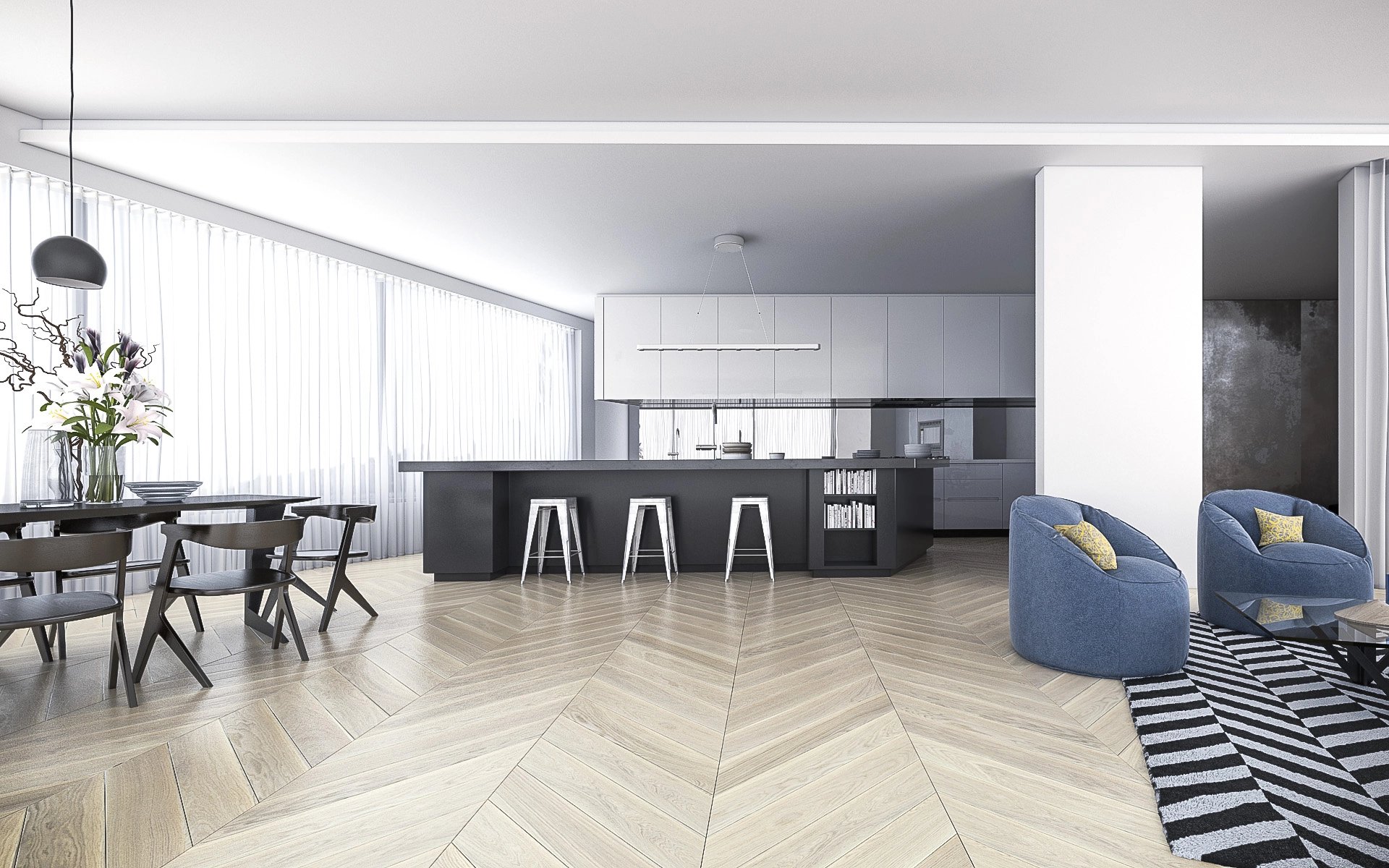
Oak has long been the standard reference point for wooden flooring. It is versatile, widely available, and suits almost every style of interior, from traditional homes to minimalist apartments. Its grain pattern is distinctive without being overpowering, and its natural tones can range from pale honey shades to deeper smoked finishes. For many homeowners, oak feels timeless rather than trendy, which is a major advantage if you want a floor that will still look relevant years from now.
From a practical perspective, oak is also known for its strength and stability. It performs well in busy households, making it a reliable option for living rooms, hallways, dining spaces, and even bedrooms. It accepts a wide variety of finishes, oils, and stains, so it can be adapted to different design visions. If you want a floor that gives you flexibility and broad market appeal, oak is usually the safer and more universal option.
What Makes Walnut So Distinctive
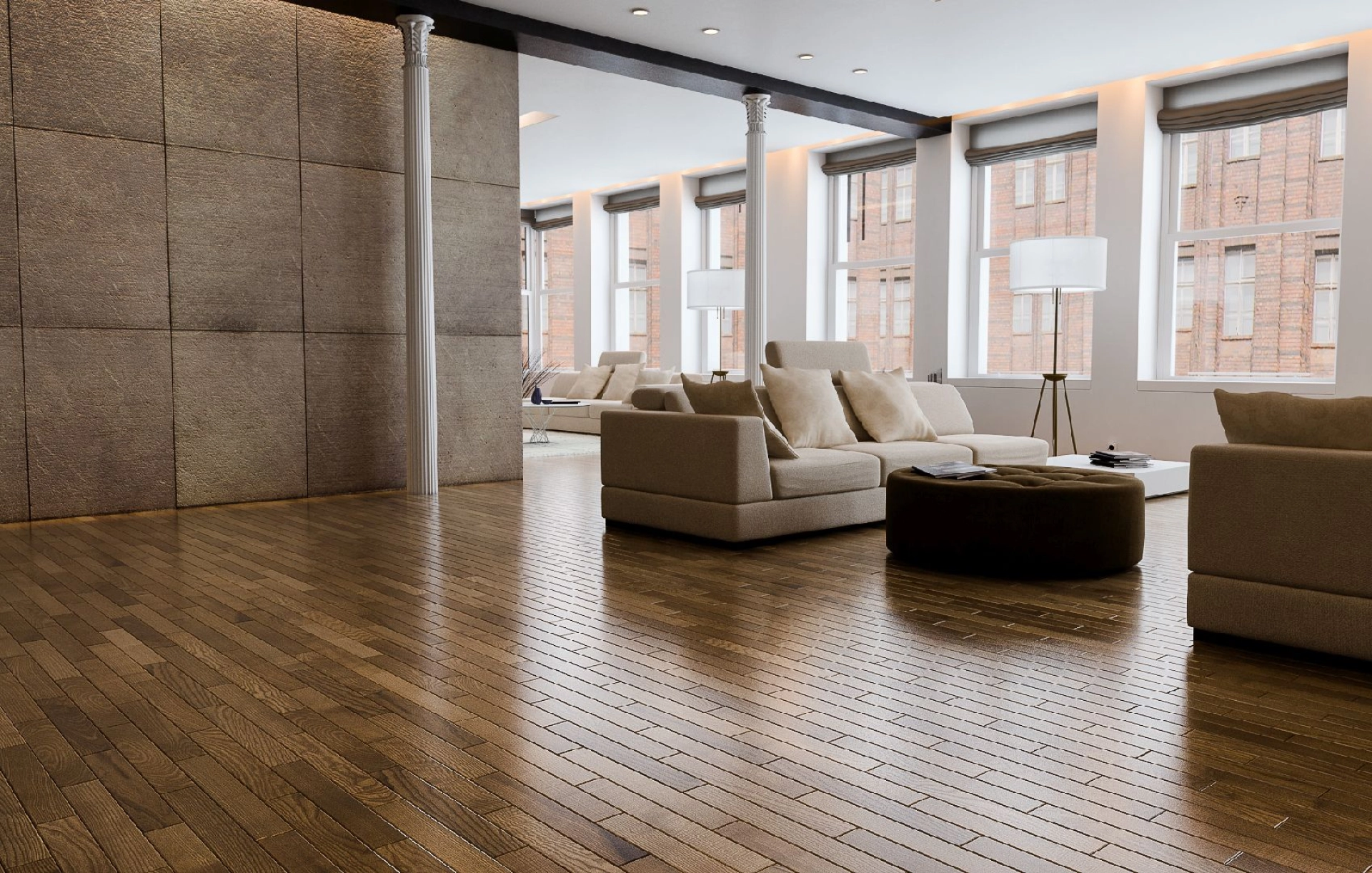
Walnut flooring offers a very different impression. Instead of bright, neutral warmth, walnut is associated with richness, depth, and a more luxurious atmosphere. Its colour palette is naturally darker, often ranging from medium brown to deep chocolate tones with beautiful variation in the grain. This gives walnut a refined, elegant look that can make a room feel more intimate and sophisticated.
Walnut tends to be chosen by people who want their flooring to become a statement feature. It works especially well in interiors with plenty of natural light, where its darker tone creates contrast and visual depth. In contemporary spaces, walnut can soften clean lines and add a sense of comfort. In classic interiors, it can enhance a feeling of quality and craftsmanship.
Oak vs Walnut: Appearance and Atmosphere
The biggest difference between oak and walnut is the mood they create. Oak is light, balanced, and adaptable. It opens up spaces and works well when you want the room to feel airy or understated. Walnut is more dramatic and expressive. It adds weight to the design and creates a stronger visual presence.
If your interior already has bold furniture, dark walls, or rich décor, oak may help keep the space from feeling too heavy. If your room is simple and neutral, walnut can add the depth and personality it needs. The right choice depends less on the wood itself and more on the feeling you want to achieve in the finished space.
Durability and Everyday Use
For many buyers, the practical side matters just as much as appearance. Oak is generally harder and more resistant to wear, which makes it especially suitable for family homes and high-traffic areas. It is a dependable choice where everyday performance is important. Scratches and marks may still appear over time, but oak tends to handle the demands of daily life very well.
Walnut is slightly softer, which means it can be more susceptible to dents and surface marks. That does not make it a poor flooring choice, but it does mean it benefits from a little more care. In lower-traffic rooms such as bedrooms, studies, and formal living areas, walnut can be an excellent option. In busy areas, many homeowners prefer oak because it offers more reassurance over the long term.
Maintenance and Long-Term Value
Both oak and walnut flooring can last for decades when properly maintained. Regular cleaning, appropriate humidity levels, and the right protective finish all contribute to a long service life. Oak’s popularity can also be an advantage if you are thinking about future resale value, because it is a familiar and widely appreciated choice. Buyers often trust oak because they know what to expect from it.
Walnut, on the other hand, appeals to people who want something more distinctive. It may not have the same universal market recognition as oak, but it offers a premium look that can elevate the overall impression of a property. If the rest of the interior design is carefully considered, walnut flooring can become one of the strongest visual assets in the home.
Which One Should You Choose?
The best choice depends on your priorities. If you want a floor that is durable, versatile, and easy to match with changing styles, oak is often the most practical solution. If you are drawn to a richer, more elegant look and you want the floor to feel like a design feature, walnut may be the better fit.
It is also worth thinking about the size and light levels of the room. Oak can make smaller spaces feel more open. Walnut can bring warmth to larger or brighter rooms and create a sense of sophistication. Neither option is better in every situation; each one serves a different purpose.
A Wooden Floor That Reflects Your Home
In the end, oak vs walnut flooring is not just a technical comparison. It is a question of lifestyle, atmosphere, and personal taste. A good wooden floor should feel natural in the space and support the way you live every day. At 7braci.com, we know that the right material can define a room for years, which is why it is worth taking time to compare the character, performance, and finish of each option before making a decision.
Whether you choose the quiet confidence of oak or the refined depth of walnut, a well-selected wooden floor will bring value, comfort, and lasting beauty to your interior.