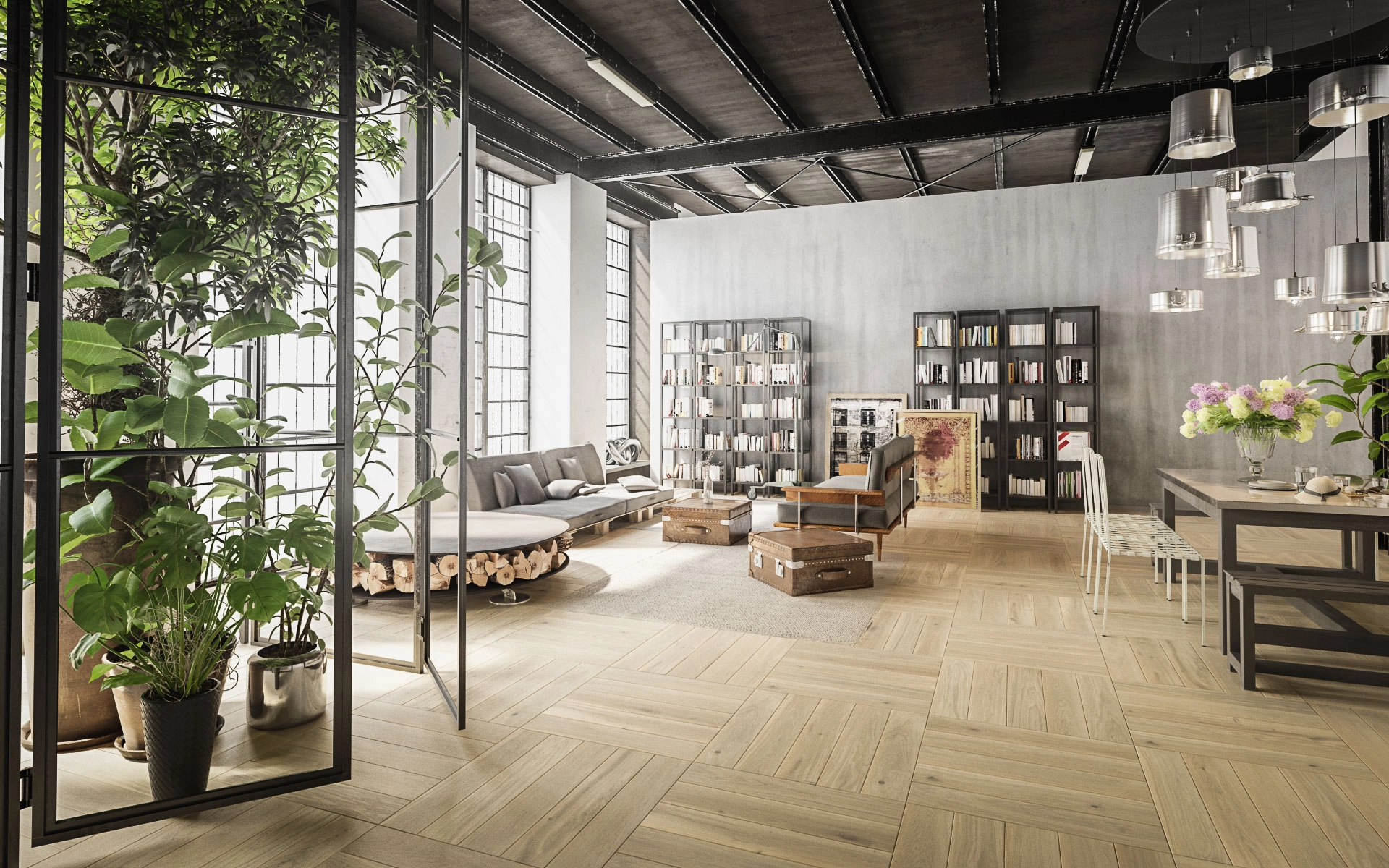
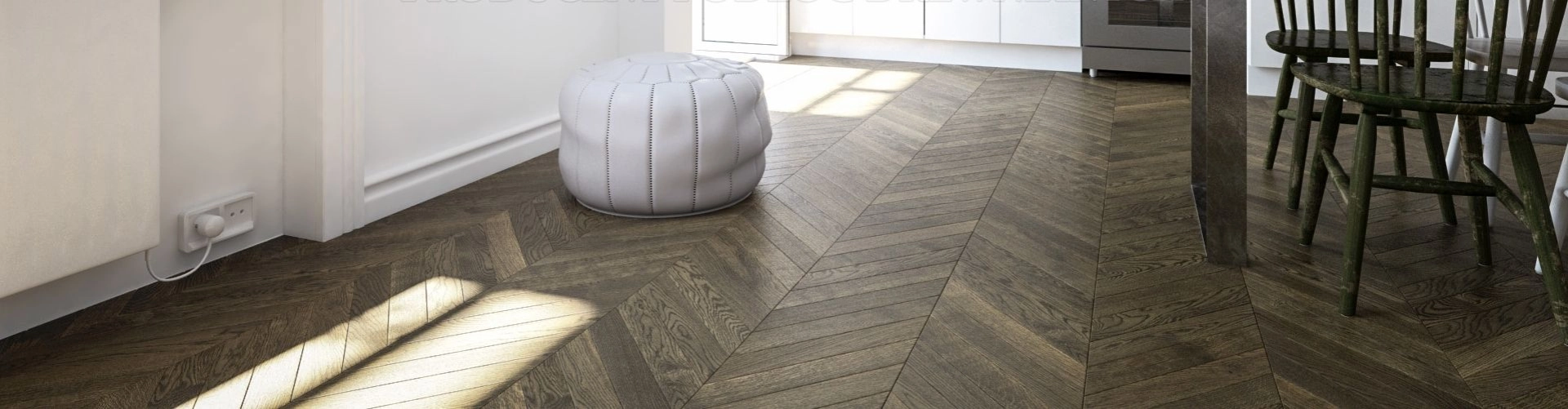
Hardwood flooring is a natural wood floor made from timber sourced from deciduous trees such as oak, walnut, maple, ash, and beech. It is one of the most popular flooring choices for homes and commercial spaces because of its timeless appearance, durability, and long-term value. Unlike laminate or vinyl flooring, hardwood is made from real wood, which gives each plank a unique grain pattern, colour variation, and character.
For homeowners looking for a floor that combines beauty, strength, and longevity, hardwood flooring remains a top choice. It suits both traditional and modern interiors and can be sanded, refinished, and maintained for many years, making it a practical investment as well as a design feature.
How Hardwood Flooring Is Made
Hardwood flooring is manufactured from timber harvested from hardwood trees. These trees grow more slowly than softwood species, which makes the wood denser and often more durable. The timber is cut, dried, and processed into planks or boards that are used for flooring installation.
There are two main types of hardwood flooring: solid hardwood and engineered hardwood. Solid hardwood is made from a single piece of wood and is known for its traditional quality and ability to be refinished multiple times. Engineered hardwood has a top layer of real wood bonded to a stable core, making it more resistant to movement caused by changes in temperature and humidity.
Solid Hardwood Flooring vs Engineered Hardwood Flooring
When people ask what hardwood flooring is, they often mean either solid or engineered wood flooring. Both options use real wood, but they are built differently and suit different spaces.
Solid hardwood flooring is best known for its authenticity and long lifespan. It is often preferred in living rooms, dining rooms, hallways, and bedrooms. Because it is made from one piece of timber, it can be sanded and refinished many times over its lifetime.
Engineered hardwood flooring is made with a real hardwood surface layer and a layered plywood or high-density core underneath. This construction makes it more dimensionally stable and suitable for areas where moisture and temperature changes are more common. It can be an excellent choice for kitchens, basements, and homes with underfloor heating, depending on the product specification.
What Are the Benefits of Hardwood Flooring?
Hardwood flooring offers a wide range of benefits that make it one of the most sought-after flooring materials. Its natural appearance adds warmth and elegance to any room, while its strength makes it suitable for everyday family life.
One of the biggest advantages of hardwood flooring is its durability. With proper care, a quality hardwood floor can last for decades. Unlike many synthetic flooring products, it can often be restored rather than replaced. This makes it a cost-effective option in the long term.
Hardwood flooring is also easy to clean and maintain. Dust, dirt, and allergens tend to sit on the surface rather than becoming trapped in the material, making it a good choice for households looking for a low-maintenance and hygienic flooring solution.
Another major benefit is versatility. Hardwood flooring works well in a variety of interiors, from period properties to contemporary homes. It is available in many colours, finishes, plank widths, and wood species, allowing homeowners to choose a style that complements their space.
Why Choose Hardwood Flooring for Your Home?
Choosing hardwood flooring is about more than just appearance. It can increase the perceived value of a property and create a high-quality finish throughout the home. Many buyers view hardwood floors as a premium feature, which can make them a worthwhile upgrade.
Hardwood also brings a sense of natural authenticity that is difficult to replicate with other materials. Each board has its own distinctive grain, texture, and tone, meaning no two floors are exactly the same. This individuality gives hardwood flooring a character that develops beautifully over time.
For those looking for a long-lasting floor with classic appeal, hardwood is often the preferred solution. It pairs well with modern furniture, traditional décor, and minimalist interiors, making it a flexible option for changing design tastes.
Where Can Hardwood Flooring Be Installed?
Hardwood flooring can be installed in many areas of the home, including living rooms, bedrooms, hallways, dining rooms, and studies. It is also suitable for some commercial spaces where a high-end finish is required.
However, not every room is ideal for every type of hardwood. Solid hardwood should generally be avoided in areas with high moisture, such as bathrooms, unless specifically designed for that purpose. Engineered hardwood is often better suited to areas with more environmental fluctuation.
If you are unsure which type of wood flooring is right for your project, speaking with a wooden floor specialist can help ensure the best result. Professional advice is especially useful when considering subfloor conditions, heating systems, and the level of foot traffic in the space.
How to Maintain Hardwood Flooring
Maintaining hardwood flooring is relatively straightforward. Regular sweeping or vacuuming helps remove grit and debris that could scratch the surface. Spills should be cleaned promptly to prevent staining or moisture damage.
Using the correct cleaning products is important. Harsh chemicals and excess water can damage the finish and affect the wood over time. Instead, a wood-safe cleaner and a slightly damp mop are usually recommended.
It is also a good idea to use felt pads under furniture and rugs in high-traffic areas to protect the surface. Over time, hardwood floors may show signs of wear, but one of their greatest strengths is that they can often be sanded and refinished to look like new again.
Is Hardwood Flooring Worth It?
For many homeowners, hardwood flooring is absolutely worth the investment. It offers a combination of style, strength, and longevity that few other flooring types can match. While the initial cost may be higher than some alternatives, the long-term benefits often justify the price.
Because hardwood flooring can last for many years and be restored when needed, it provides excellent value over time. Its natural beauty and timeless appeal also mean it is less likely to look dated, making it a smart choice for those who want flooring that stands the test of time.
Choose a Wooden Floor Specialist for the Best Results
If you are considering hardwood flooring for your home or business, working with experienced wooden floor specialists is the best way to achieve a high-quality finish. Professional joinery and flooring expertise ensure the right materials, correct installation, and long-lasting results.
At 7braci.com, we specialise in wooden floors and joinery solutions that combine craftsmanship with durability. Whether you are looking for solid hardwood, engineered wood flooring, or expert advice on the best option for your space, a specialist can help you make the right choice.
Conclusion
So, what is hardwood flooring? In simple terms, it is a natural wood floor made from real timber that offers beauty, durability, and timeless appeal. Available in both solid and engineered forms, hardwood flooring is suitable for a wide range of interiors and remains one of the most popular flooring choices for homeowners who want quality and character.
If you are planning a flooring project and want a surface that adds value, warmth, and long-term performance, hardwood flooring is an excellent option worth considering.