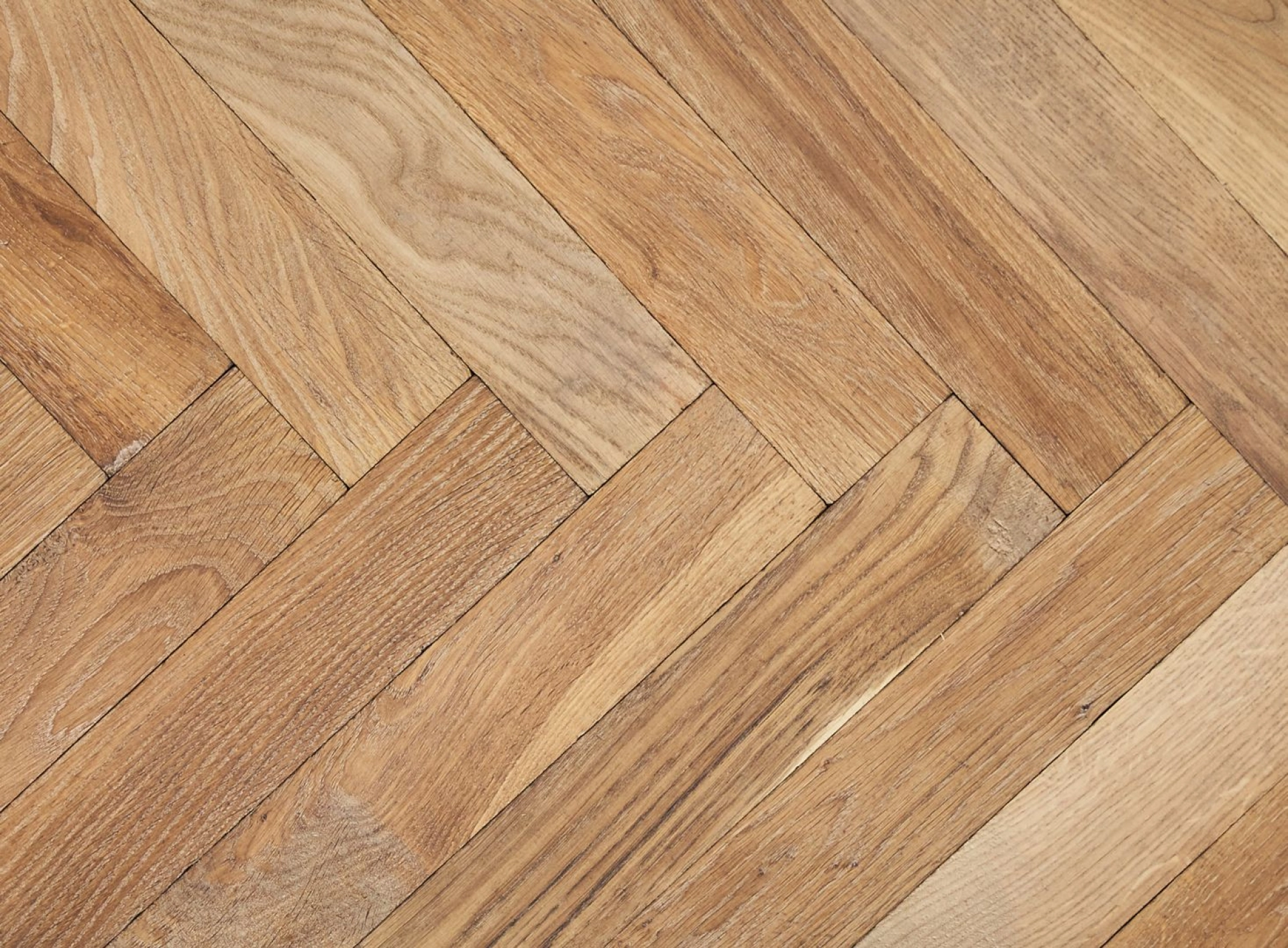
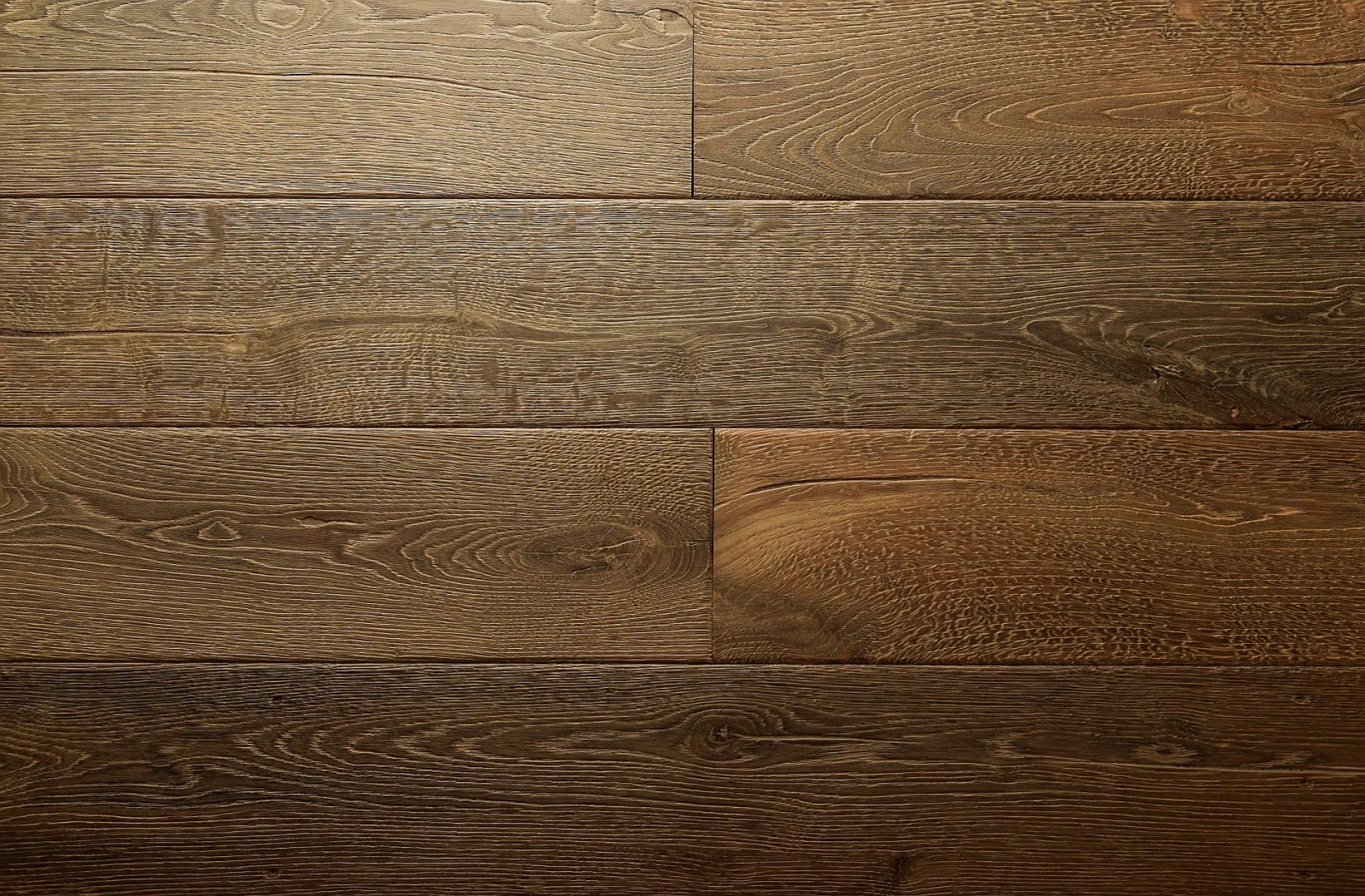
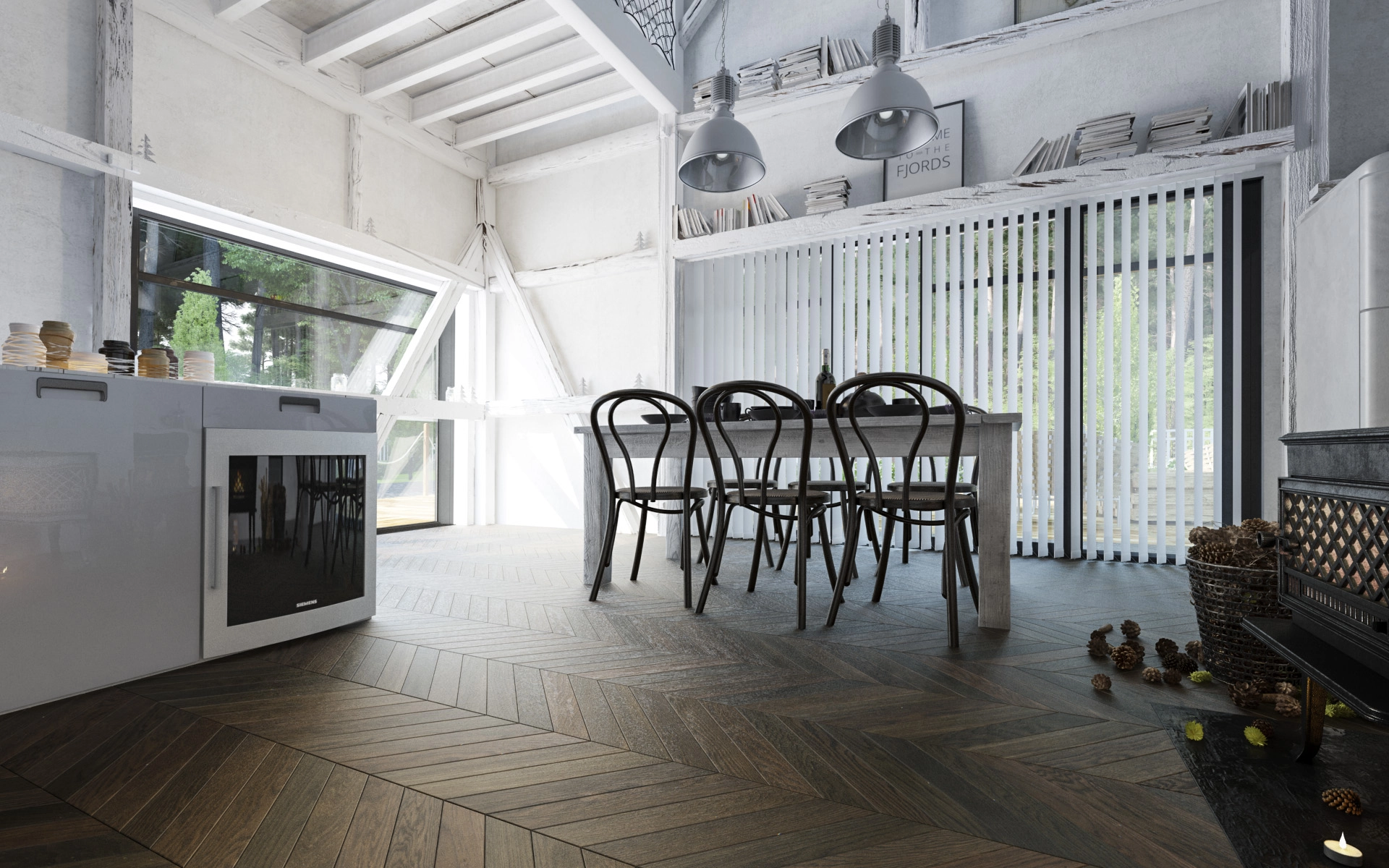
Hardwood flooring is one of the most attractive and long-lasting features in any home, but it needs the right care to keep it looking its best. If you are wondering how to clean hardwood flooring without causing damage, the key is to use gentle methods, the right products, and a regular maintenance routine. At 7braci.com, we know that properly maintained wood floors not only look better but also last longer and perform better over time.
Why Proper Hardwood Floor Cleaning Matters
Hardwood floors can be damaged by excess water, harsh chemicals, abrasive tools, and daily grit such as sand and dust. Unlike tile or laminate, real wood is a natural material that can absorb moisture and react to cleaning products. If cleaned incorrectly, hardwood can become dull, stained, scratched, or warped. Learning the correct way to clean hardwood flooring helps protect the finish, preserve the grain, and maintain the value of your home.
Daily Hardwood Floor Cleaning Routine
The best way to keep hardwood floors clean is to stop dirt from building up in the first place. Dust, pet hair, and small particles act like sandpaper when walked on, gradually wearing away the finish. A simple daily routine can make a big difference. Use a soft-bristle broom, a microfiber dust mop, or a vacuum cleaner with a hardwood floor attachment to remove loose debris. Microfiber is especially effective because it traps fine dust without scratching the surface.
If your floor is in a high-traffic area such as a hallway, kitchen, or living room, daily dusting is ideal. In lower-traffic spaces, cleaning every few days may be enough. The main goal is to keep the surface free from abrasive dirt that can dull the finish over time.
Best Way to Mop Hardwood Flooring
When deeper cleaning is needed, use a slightly damp mop rather than a soaking wet one. Too much water is one of the biggest threats to hardwood flooring. Water can seep into seams, edges, and joints, causing swelling, cupping, or staining. The safest method is to use a microfiber mop lightly dampened with a cleaner designed specifically for hardwood floors.
Always follow the manufacturer’s instructions for any cleaning product. Spray the cleaner lightly onto the mop or directly onto the floor in small sections, then wipe immediately. Never leave standing water on the surface. After mopping, the floor should dry quickly and evenly.
What Cleaning Products to Use on Hardwood Floors
Choosing the right product is essential when cleaning hardwood flooring. The safest option is a pH-neutral cleaner made for wood floors. These products are formulated to remove dirt and grime without stripping the finish or leaving behind a sticky residue.
Avoid using bleach, ammonia, vinegar, steam cleaners, or multi-surface products that are not specifically approved for hardwood. Vinegar, although often recommended in DIY cleaning tips, can gradually wear down certain finishes and dull the shine. Steam cleaners are also not suitable for most hardwood floors because the heat and moisture can cause serious damage.
If you are unsure which cleaner is right for your floor, check the manufacturer’s guidance or test a small hidden area first.
How to Clean Spills on Hardwood Flooring
Spills should be cleaned as quickly as possible. Liquids left on hardwood can penetrate the finish and stain the wood. Use a dry or slightly damp microfiber cloth to wipe up the spill immediately. For sticky spills, gently lift the residue with a soft cloth rather than scrubbing aggressively.
After the spill is removed, dry the area thoroughly. For larger spills or leaks, it is important to act fast and reduce moisture exposure to prevent long-term damage. This is especially important in kitchens, dining areas, and near exterior doors where wet shoes or rain can bring in additional moisture.
How to Remove Stains from Hardwood Floors
Different stains require different approaches. For food or drink marks, a damp microfiber cloth and a hardwood-safe cleaner is usually enough. For scuff marks, try rubbing gently with a soft cloth or a dedicated wood floor cleaner. Avoid using abrasive pads or harsh scrubbing tools, as these can remove the protective finish.
If you are dealing with stubborn marks, test any treatment in a discreet area first. For deeper stains that have penetrated the finish, the solution may require professional refinishing or repair. The sooner stains are treated, the better the result will usually be.
How Often Should You Deep Clean Hardwood Floors?
Regular sweeping or vacuuming should be part of your weekly routine, but hardwood floors also benefit from periodic deeper cleaning. In most homes, a thorough clean once every one to two weeks is enough, depending on how much foot traffic the floor receives. Homes with children, pets, or busy hallways may need more frequent attention.
Deep cleaning should still be gentle. The aim is to remove built-up grime without over-wetting the floor or using products that leave residue. A clean surface not only improves appearance but also helps protect the finish from gradual wear.
How to Protect Hardwood Flooring After Cleaning
Cleaning hardwood flooring is only one part of proper care. To keep it in good condition, use felt pads under furniture legs, place mats at entryways, and avoid walking on the floor with dirt-covered shoes. These simple habits reduce scratching and help the floor stay cleaner for longer.
It is also wise to control indoor humidity. Hardwood expands and contracts with changes in moisture levels, so a stable indoor environment helps reduce movement and long-term damage. If your home is very dry in winter or humid in summer, a humidifier or dehumidifier may help protect the flooring.
Common Mistakes to Avoid When Cleaning Hardwood Flooring
One of the most common mistakes is using too much water. Another is selecting the wrong cleaner, especially products that contain harsh chemicals or leave a waxy buildup. Wax can make floors look cloudy and attract more dirt over time. Using rough scrubbers or vacuum heads without a hardwood setting can also cause scratches.
Another frequent issue is ignoring dirt for too long. Fine grit may be small, but it can gradually damage the finish if not removed regularly. For long-lasting results, gentle and consistent care is always better than occasional heavy cleaning.
When to Call a Hardwood Flooring Specialist
If your hardwood floor has deep scratches, dull patches, water damage, or stains that will not come out, it may need professional attention. In some cases, a floor can be restored with cleaning, polishing, or refinishing. In other cases, repair or replacement of certain boards may be necessary. A specialist can assess the condition of the floor and recommend the best solution.
At 7braci.com, we understand the craftsmanship and care that hardwood flooring deserves. Whether you need advice on maintaining existing floors or are considering new wooden flooring or joinery work, professional guidance can help protect your investment.
Final Tips for Keeping Hardwood Floors Clean
The best way to clean hardwood flooring is to keep the routine simple: dust regularly, mop lightly with the right cleaner, wipe up spills quickly, and avoid excessive moisture. With the right care, hardwood floors can stay beautiful for many years. Consistent maintenance will protect the finish, preserve the natural character of the wood, and keep your home looking warm and welcoming.