If you are planning a new floor, one of the first questions you will ask is: how much wood flooring do I need? Getting the quantity right is essential. Order too little and you risk delays, colour batch differences, and extra delivery charges. Order too much and you may overspend unnecessarily. At 7braci.com, we help homeowners, property developers, and trade customers calculate wood flooring accurately so their project runs smoothly from start to finish.
The amount of wood flooring you need depends on the size and shape of the room, the type of flooring you choose, the installation pattern, and how much waste should be allowed for cutting and fitting. Whether you are fitting engineered wood flooring, solid wood flooring, or parquet, the basic principle is the same: measure the total floor area carefully and add an allowance for wastage.
Step 1: Measure the Room Accurately
To work out how much wood flooring you need, start by measuring the length and width of the room in metres. Multiply these two figures together to find the floor area in square metres.
For example, if your room is 5 metres long and 4 metres wide, the calculation is:
5 x 4 = 20 square metres
This means the room requires 20m² of flooring before adding any waste allowance. If the room is not a perfect rectangle, divide it into smaller sections, measure each area separately, and then add the totals together.
Always measure the widest points of the room, and if walls are uneven, take a few measurements to make sure you are working with the correct size. It is better to round up slightly than to underestimate.
Step 2: Allow for Waste
Once you know the total floor area, you need to add extra flooring for waste. Wood flooring boards are normally cut to fit around walls, door frames, fireplaces, corners, and other obstacles. Some boards may also be damaged during fitting, so waste is unavoidable.
For most straight-lay wood flooring installations, we recommend adding 5% to 10% waste. If the room is simple and rectangular, 5% may be enough. If the room has awkward angles, alcoves, or multiple doorways, it is safer to allow 10%.
For more complex patterns such as herringbone, chevron, or diagonal installation, waste can rise to 12% to 15% or even more. These patterns create more offcuts and usually require extra material to complete the design cleanly.
Using the earlier example of a 20m² room:
5% waste = 1m² extra, so total required = 21m²
10% waste = 2m² extra, so total required = 22m²
Step 3: Check the Pack Coverage
Wood flooring is sold in packs, and each pack covers a specific area. To find out how many packs you need, divide the total area required by the coverage of one pack.
For example, if your chosen flooring covers 2.2m² per pack and you need 22m² in total, the calculation is:
22 ÷ 2.2 = 10 packs
In this case, you would need to order 10 packs. It is usually wise to round up to the nearest full pack, as suppliers do not sell partial packs. If you are very close to the next pack quantity, ordering an extra pack can provide a useful safety margin for future repairs.
Different Types of Wood Flooring Need Different Allowances
The answer to how much wood flooring do I need can vary depending on the style you choose. Engineered wood flooring often has less waste than parquet because it is laid in wider planks and fewer cuts are needed. Solid wood flooring may also require careful acclimatisation and handling, but the calculation method is still based on square metres.
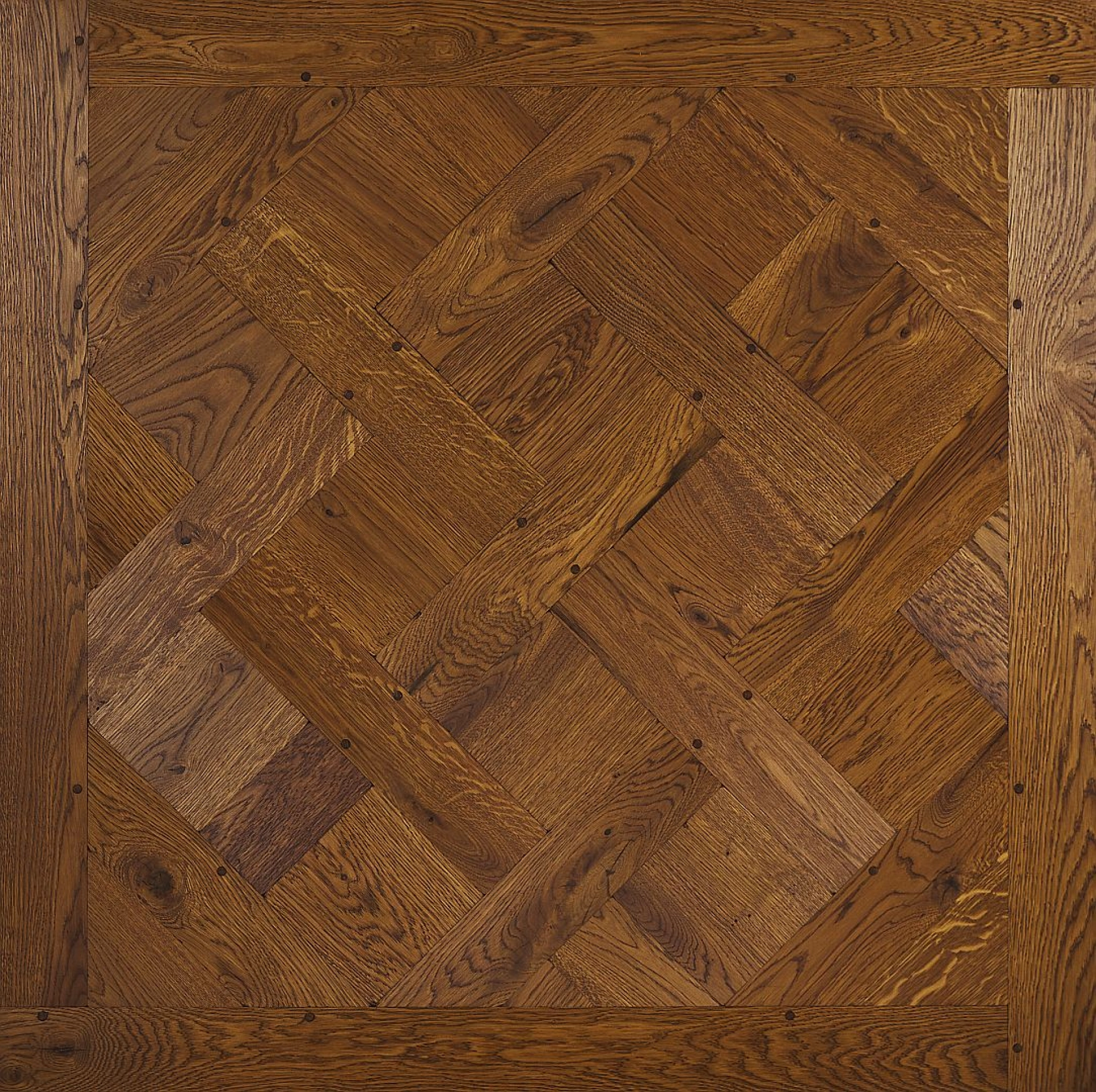
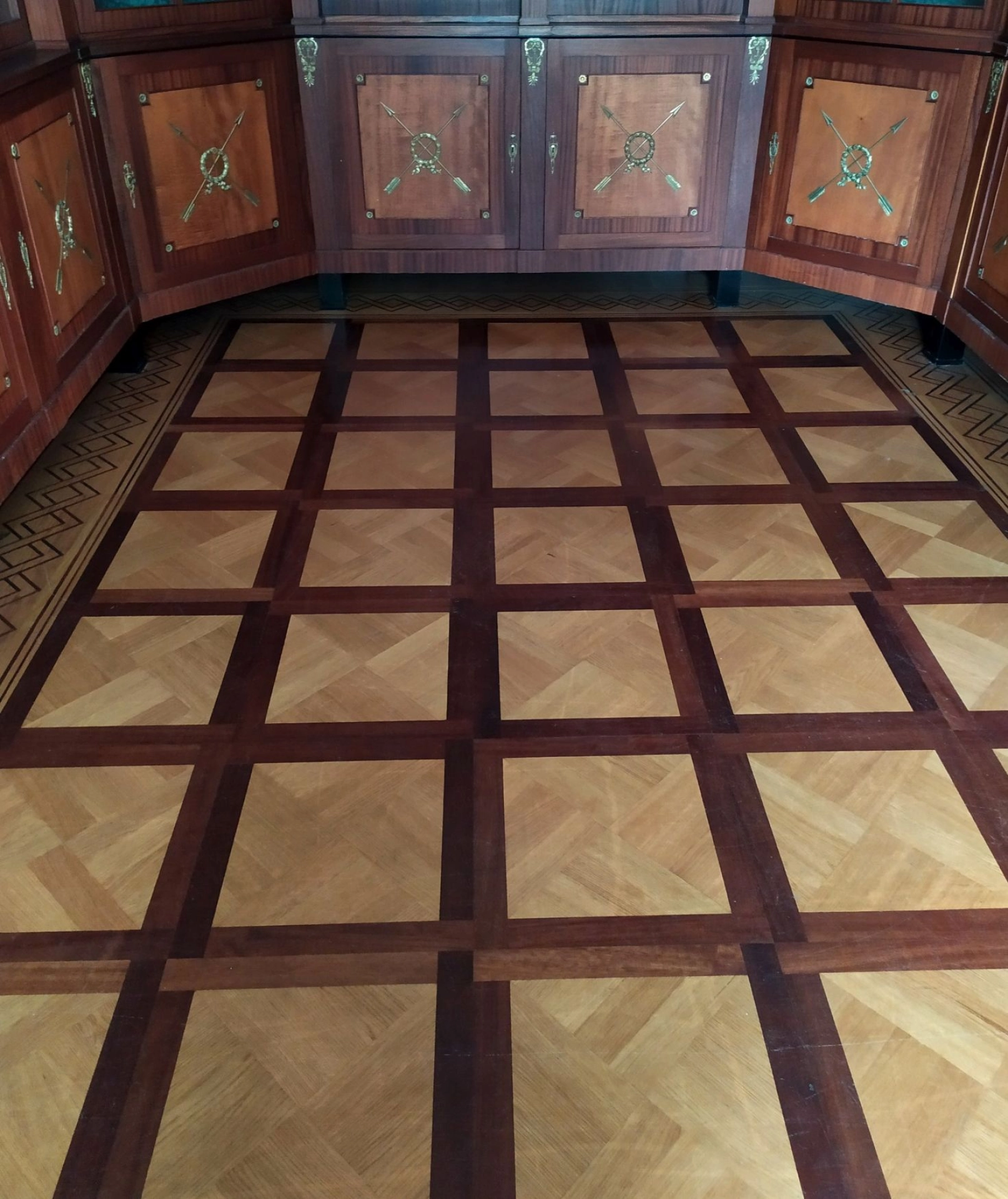
Parquet flooring, especially herringbone or basketweave, generally requires more planning. Because the blocks are arranged in a detailed pattern, the fitting process involves more cuts and more material left over from offcuts. For this reason, it is sensible to order extra.
If you are unsure which flooring style is best for your room, a professional joinery and flooring specialist can advise you on the most cost-effective option and help you avoid waste.
How to Measure Irregular Rooms
Not every room is a simple square or rectangle. Many homes have bay windows, chimney breasts, hallways, extensions, or L-shaped layouts. In these cases, break the room into manageable sections.
For example, if your room has a main rectangular area and a small alcove, measure each part separately. Calculate the area of the main room and the alcove, then add them together. If a bay window forms part of the floor space, include it in the overall measurement. If there are built-in cupboards or permanent fixtures that will not be floored, subtract those areas.
One useful tip is to sketch the room on paper and mark each section with dimensions. This helps reduce mistakes and makes it easier to calculate the total amount of flooring needed.
Should You Buy Extra Wood Flooring?
Yes, in many cases it is a smart idea to buy slightly more than the minimum amount. Extra flooring can be useful if boards are damaged during installation, if a section needs replacing later, or if you want to keep a matching supply for future repairs.
This is especially important with natural wood products, where colour, grain, and batch availability can vary. If you buy more at the start, you are more likely to have identical boards available later should you need them.
However, there is no need to over-order excessively. The goal is to balance accuracy with practicality. A good rule is to add enough waste to cover the installation and keep a small reserve.
What About Underlay?
When calculating how much wood flooring you need, remember that underlay is usually measured separately. Some wood floors require a specific acoustic or moisture-resistant underlay, while others may be installed over a different subfloor preparation system.
Underlay is normally ordered to match the same square metre coverage as the flooring area, plus waste. Skirting boards, thresholds, trims, and adhesives should also be considered as separate items in your project budget.
Quick Wood Flooring Calculation Example
Let’s say your lounge is 6m by 4m. The total area is 24m².
If you choose a straight-laid engineered wood floor and allow 10% waste, you need an extra 2.4m².
Total flooring required = 26.4m²
If each pack covers 2.4m², then:
26.4 ÷ 2.4 = 11 packs
So, you would need to order 11 packs of flooring.
Why Accurate Measurement Matters
Knowing how much wood flooring you need saves time, money, and hassle. Accurate measurements help avoid interruptions during installation and reduce the risk of different dye batches creating a mismatch in colour. This is particularly important for larger homes, commercial spaces, and bespoke joinery projects where consistency is key.
At 7braci.com, we specialise in wooden floor fitting, joinery, and bespoke craftsmanship, so we understand how important precise planning is. A well-measured flooring order leads to a cleaner finish, a smoother installation, and a better long-term result.
Final Thoughts
If you are wondering how much wood flooring do I need, the answer starts with a simple floor area calculation, followed by a sensible waste allowance. Measure the room carefully, include any awkward areas, allow extra for cutting and fitting, and check the pack coverage before ordering.
For most rooms, adding 5% to 10% waste is a reliable guide. For patterned flooring or complex layouts, allow more. If you want expert advice on wood flooring, engineered flooring, or joinery solutions, 7braci.com can help you choose the right materials and calculate exactly what you need for your project.