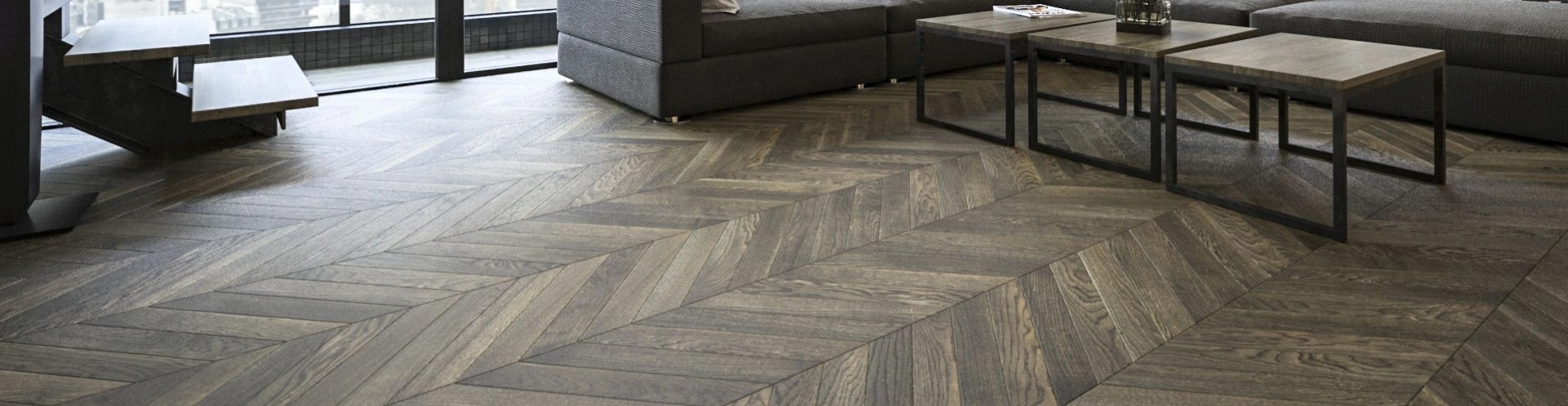
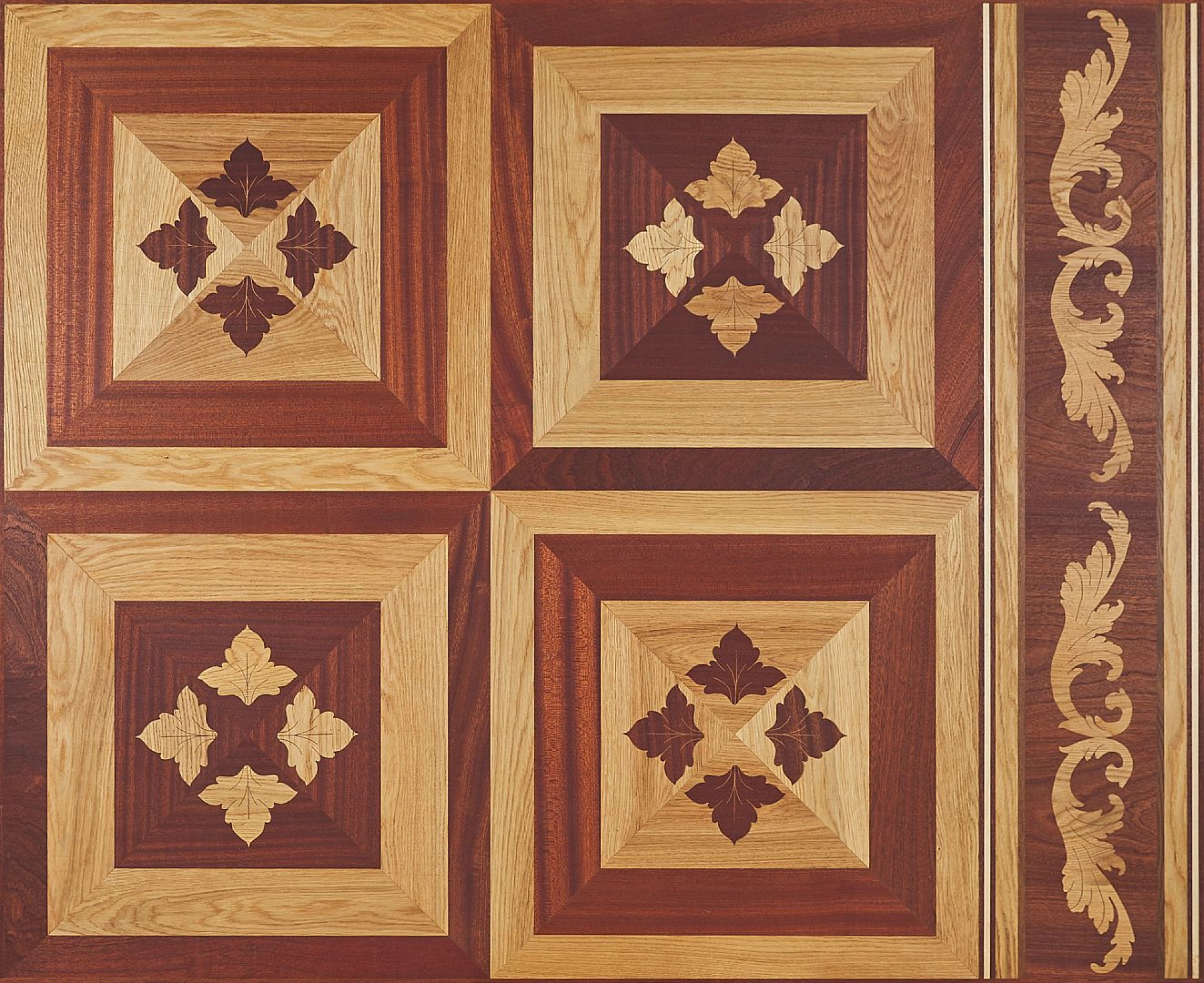
Solid wood flooring adds warmth, character, and long-lasting value to any home, but it also needs the right care to stay looking its best. If you are wondering how to clean solid wood flooring without damaging the surface, the key is to use gentle cleaning methods, avoid excess water, and maintain the finish properly. As wooden floor specialists, we recommend a simple routine that protects the natural beauty of your floor while extending its lifespan.
Why Solid Wood Flooring Needs Special Care
Unlike laminate or vinyl, solid wood is a natural material that reacts to moisture, temperature, and cleaning products. Too much water can cause swelling, warping, or staining, while harsh chemicals can strip the finish or dull the surface. Proper solid wood floor cleaning is not difficult, but it does need the right approach. Whether your floor is lacquered, oiled, or waxed, the cleaning method should be suitable for the type of finish.
Daily Cleaning for Solid Wood Floors
The best way to care for solid wood flooring is to remove dust and grit regularly. Small particles can act like sandpaper and scratch the surface over time. Use a soft-bristle broom, microfiber dust mop, or vacuum cleaner with a hardwood floor attachment. This should be done daily in busy areas and at least a few times a week in lower-traffic spaces.
When vacuuming solid wood floors, make sure the vacuum does not have a rotating brush head that could mark the timber. A gentle suction setting is usually best. Regular dry cleaning keeps the floor looking fresh and reduces the need for frequent wet cleaning.
How to Mop Solid Wood Flooring Safely
If your floor needs a deeper clean, use a slightly damp mop rather than a wet one. Water should never sit on the surface of solid wood flooring. Prepare a bucket with warm water and a wood-safe cleaner designed specifically for hardwood floors. Wring the mop thoroughly so it is only lightly damp, then clean the floor in sections.
Always dry the floor afterwards with a clean microfiber cloth if needed. This is especially important around edges, seams, and doorways where moisture can collect. Never use steam mops on solid wood flooring, as the heat and moisture can cause long-term damage.
Best Cleaning Products for Solid Wood Floors
Choosing the right cleaner is essential when cleaning solid wood flooring. Look for a pH-neutral product made for hardwood floors. Avoid bleach, ammonia, vinegar, and strong all-purpose cleaners unless they are specifically approved for wood. These products can dull the finish or damage the protective coating.
If you are not sure which cleaner is right for your floor, check the manufacturer’s recommendations or speak to a wooden floor specialist. Different finishes respond differently to cleaning products. For example, oiled wood flooring may need a maintenance cleaner that nourishes the surface, while lacquered floors often require a cleaner that removes dirt without leaving residue.
How to Remove Spills and Stains
Spills should be cleaned immediately to prevent staining or water damage. Use a soft, dry cloth or paper towel to blot the spill rather than rubbing it across the floor. If needed, follow with a lightly damp cloth and a wood-safe cleaner. Dry the area straight away.
For sticky marks, use a microfiber cloth with a small amount of approved cleaner. For tougher stains, avoid scrubbing aggressively, as this can scratch the finish. If a mark does not come off easily, it may require professional advice rather than stronger cleaning products. This is particularly true for older solid wood floors or floors with a natural oil finish.
What to Avoid When Cleaning Solid Wood Flooring
One of the most common mistakes is using too much water. Solid wood and moisture do not mix well, so never soak the floor or leave puddles behind. Avoid abrasive pads, stiff brushes, and harsh chemicals that can wear away the finish.
It is also best to avoid waxing or polishing a floor unless it is specifically designed for that treatment. Applying the wrong product can make the floor slippery, sticky, or difficult to restore later. If your floor starts to lose its shine, it may need professional cleaning or refinishing rather than a quick fix from a general store product.
How Often Should You Clean Solid Wood Floors?
Light cleaning should be part of your regular home routine. Sweep or vacuum frequently to remove dust and grit, and mop only when the floor needs it. For most households, a weekly damp clean is enough, but homes with children, pets, or heavy foot traffic may need it more often.
Deep cleaning should be done only when necessary and always with products suitable for solid wood flooring. Over-cleaning with water or product residue can do more harm than good. The goal is to keep the floor clean without stripping its natural finish.
Protecting Solid Wood Flooring Between Cleans
Cleaning is only one part of floor care. To keep your solid wood flooring in top condition, place mats at entrances to catch dirt and moisture. Use felt pads under furniture legs to prevent scratches. Avoid dragging heavy items across the floor, and trim pet nails regularly to reduce surface marks.
It is also a good idea to control indoor humidity. Solid wood expands and contracts naturally, and very dry or very damp conditions can affect its stability. Keeping your home at a consistent temperature and humidity level helps protect the floor long term.
Cleaning Oiled vs Lacquered Solid Wood Flooring
Not all solid wood floors are cleaned in exactly the same way. Lacquered floors usually have a sealed surface, which makes them easier to clean with a damp mop and a gentle cleaner. Oiled floors, on the other hand, may absorb more dirt and need maintenance products that refresh and protect the timber.
If your floor is oiled, avoid using standard cleaners that leave residue on the surface. Instead, use products made for oiled wood flooring, as these help preserve the finish and natural look. If you are unsure which finish your floor has, a wooden floor specialist can identify it and recommend the correct cleaning method.
When to Call a Wooden Floor Specialist
If your solid wood flooring has deep scratches, grey patches, water damage, or areas that no longer clean properly, it may need more than routine maintenance. In some cases, professional sanding, refinishing, or restoration is the best solution. A specialist can assess the condition of the floor and advise whether it can be revived or needs more advanced treatment.
At 7braci.com, we understand how important it is to keep solid wood floors looking elegant and well cared for. As wooden floor specialists and joinery experts, we help homeowners protect their investment with the right advice, cleaning guidance, and restoration services.
Final Tips for Cleaning Solid Wood Flooring
The best way to clean solid wood flooring is to keep it simple: remove dust regularly, use minimal water, choose wood-safe products, and act quickly on spills. With the right care, solid wood floors can last for decades and continue to add natural beauty to your home.
If you want to keep your floor in excellent condition or need help with restoration, maintenance, or expert advice, 7braci.com is here to help. Proper cleaning is the foundation of long-lasting solid wood flooring, and a little care goes a long way.