Wood Flooring in Wet Spaces: What Homeowners Should Know
Wood has a way of making a home feel warmer, calmer, and more refined than many other flooring materials. It adds character underfoot and brings a natural look that works beautifully in both classic and modern interiors. But when it comes to bathrooms, many people hesitate. After all, bathrooms are exposed to moisture, splashes, steam, and rapid temperature changes. So, can you use wood flooring in a bathroom? The short answer is yes, but only if the right wood, the right construction, and the right installation method are chosen.
Why Bathroom Conditions Are Different
A bathroom is one of the most demanding rooms in the house. Unlike a living room or bedroom, it regularly deals with humidity spikes and direct water contact. Wet feet, dripping towels, bathwater spills, and poor ventilation can all affect flooring performance. Wood is a natural material, which means it reacts to changes in moisture. It can expand, contract, warp, or stain if it is not properly protected. This does not mean wood is a poor choice; it simply means the product and installation must be suitable for the space.
Solid Wood or Engineered Wood?
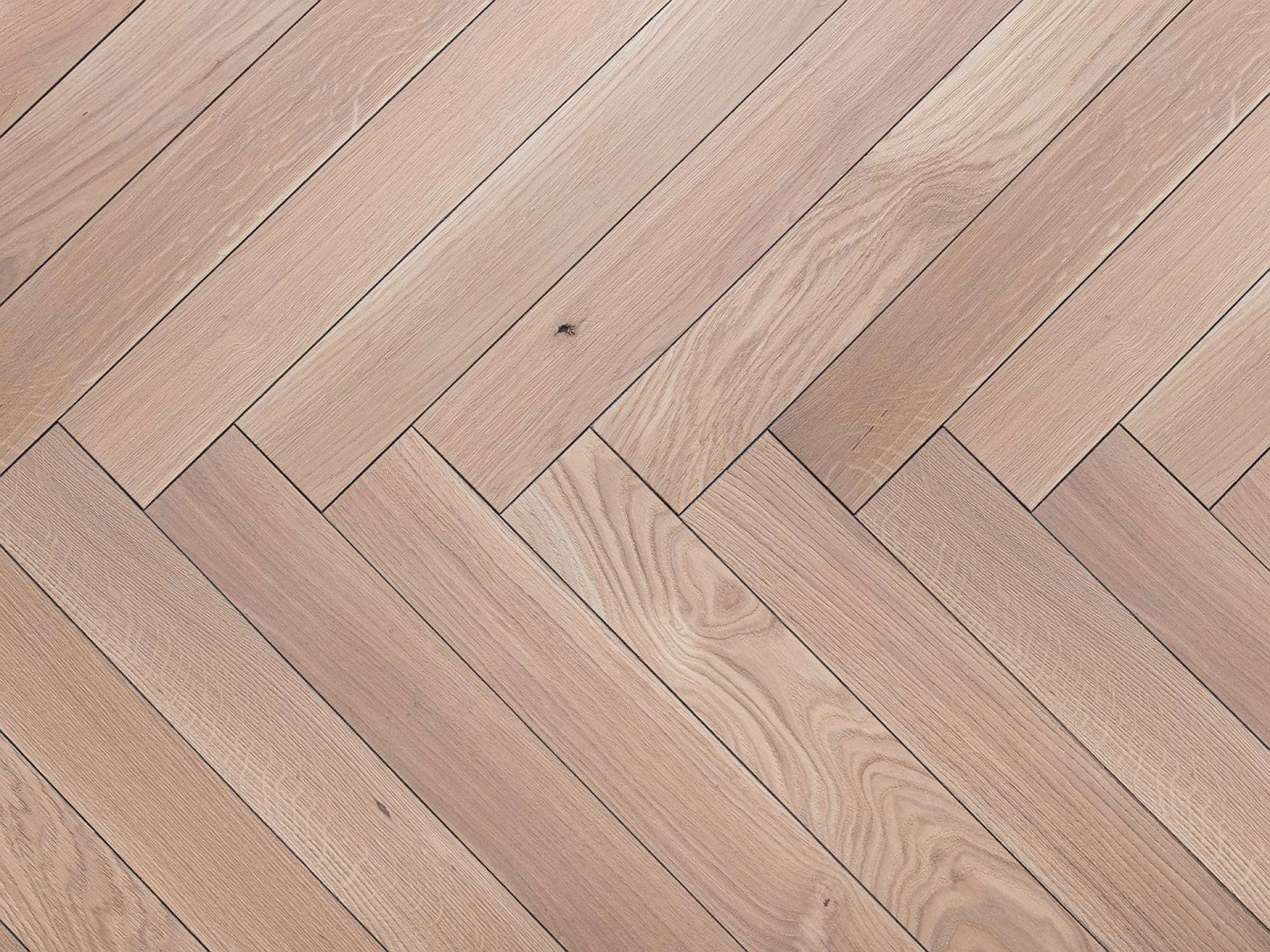
If you want wooden flooring in a bathroom, engineered wood is usually the safer and more stable choice. Unlike solid wood, engineered planks are made with a layered construction that helps reduce movement caused by humidity. The top layer is real wood, so you still get the authentic look and feel, but the structure underneath gives better dimensional stability.
Solid wood can be used in some bathrooms, but it is far more sensitive to moisture and is generally not recommended for standard domestic bathrooms. Even with good sealing, it is more likely to react to changing conditions over time. For most homeowners, engineered wood offers the best balance between beauty, performance, and peace of mind.
Which Wood Species Perform Better?
Some wood species are naturally more stable than others. Oaks are popular for bathroom use because of their strength and reliable performance. Harder, denser species often cope better with daily wear, while softer woods may show damage more quickly. The surface finish also matters. A high-quality protective finish can help resist moisture and make cleaning easier.
That said, no wood is fully waterproof. The goal is not to make wood behave like tile, but to create a flooring system that can tolerate normal bathroom use without compromising its appearance or structure.
The Importance of Proper Sealing and Installation
Even the best wood flooring can fail if it is installed incorrectly. In a bathroom, installation quality is critical. Subfloors must be dry, level, and stable before any boards are laid. Edges, joints, and perimeter gaps should be carefully managed to reduce the risk of moisture ingress. In many cases, specialist adhesives and moisture barriers are recommended.
The finish on the wood should also be chosen with care. Factory-applied finishes often provide consistent protection, while site finishing may allow for a more tailored approach. In either case, the surface should be sealed well enough to handle occasional splashes and daily humidity. Good ventilation in the bathroom is equally important. An extractor fan or window helps reduce moisture buildup and protects the floor over time.
Where Wood Flooring Works Best in a Bathroom
Wood flooring is often best suited to family bathrooms, en-suites, and guest bathrooms where exposure to standing water is limited and controlled. In a bathroom with a walk-in shower or frequent splash zones, extra caution is needed. If you love the look of wood but want more protection, consider using it in areas away from the shower and bath, or combining it with another water-resistant surface in the highest-risk zones.
It is also worth thinking about the lifestyle of the household. A bathroom used by adults may be easier to manage than one used by young children, where water spills are more common. The more careful the daily use, the better wood flooring will perform.
How to Care for Wooden Bathroom Floors
Maintenance is simple, but it must be consistent. Water should not be allowed to sit on the surface for long. Spills should be wiped up quickly, and bath mats can help reduce repeated splashes in front of the tub or sink. Use cleaning products designed for wood flooring, and avoid harsh chemicals or excess water when mopping.
Regular checks are also sensible. Look for signs of wear around joints, edges, and areas near the bath or shower. If the finish begins to dull or show signs of stress, refinishing may help extend the life of the floor. With the right care, wooden flooring in a bathroom can remain beautiful for many years.
A Practical and Elegant Choice
So, can you use wood flooring in a bathroom? Yes, absolutely, as long as you approach it with the right expectations. Engineered wood, professional installation, suitable sealing, and good ventilation make all the difference. For homeowners who value warmth, natural beauty, and timeless style, wood can be an excellent bathroom flooring solution.
If chosen carefully, it creates a space that feels less clinical and more like part of a well-designed home. That is why many people continue to choose wood flooring not only for living areas and bedrooms, but also for bathrooms where design and comfort matter just as much as practicality.