Choosing wood flooring is one of the most important decisions you can make when upgrading a home or commercial space. The right floor should look beautiful, suit your lifestyle, perform well under daily wear, and complement the character of the property. With so many options available, from solid hardwood to engineered wood flooring, it helps to understand the key factors before making a decision. At 7braci, we work with homeowners, designers, and developers to select and install wood floors that balance style, durability, and long-term value.
Start With the Room and How It Will Be Used
The first step in choosing wood flooring is to think about where it will be installed. A hallway, kitchen, living room, bedroom, and office all have different demands. High-traffic areas need flooring that can handle regular use, while quieter spaces may allow for softer tones or more delicate finishes. If you are choosing wood flooring for a busy family home, it is worth prioritising durability and ease of maintenance. If the room is a formal space, appearance and finish may be the main considerations.
You should also consider moisture levels and temperature changes. Bathrooms and utility rooms are usually not suitable for standard wood flooring, while kitchens may require a more stable option such as engineered wood. Understanding the environment helps you avoid common issues such as warping, gapping, or excessive wear.
Choose Between Solid Wood and Engineered Wood Flooring
One of the most important decisions is whether to choose solid wood flooring or engineered wood flooring. Solid wood flooring is made from a single piece of timber and offers a traditional, timeless finish. It can be sanded and refinished multiple times, which gives it a long lifespan. However, it is more sensitive to changes in humidity and is usually better suited to stable indoor conditions.
Engineered wood flooring is made with a real wood top layer over a stable multi-layer core. It offers the natural beauty of wood with improved dimensional stability, making it a popular choice for modern homes. It is often better for underfloor heating and can be installed in a wider range of rooms. If you want the look of natural wood with added practicality, engineered flooring is often the best choice.
Think About Wood Species
Different wood species offer different colours, grains, hardness levels, and overall character. Oak remains one of the most popular choices for wood flooring because it is durable, versatile, and available in many finishes. It works well in both traditional and contemporary interiors. Other species, such as walnut, ash, and maple, create different visual effects and may suit specific design goals.
Harder woods are usually more resistant to dents and scratches, making them ideal for homes with children or pets. Softer woods can still be attractive, but they may show wear more easily. When choosing wood flooring, it is important to balance appearance with performance so the floor continues to look good over time.
Select the Right Colour and Tone
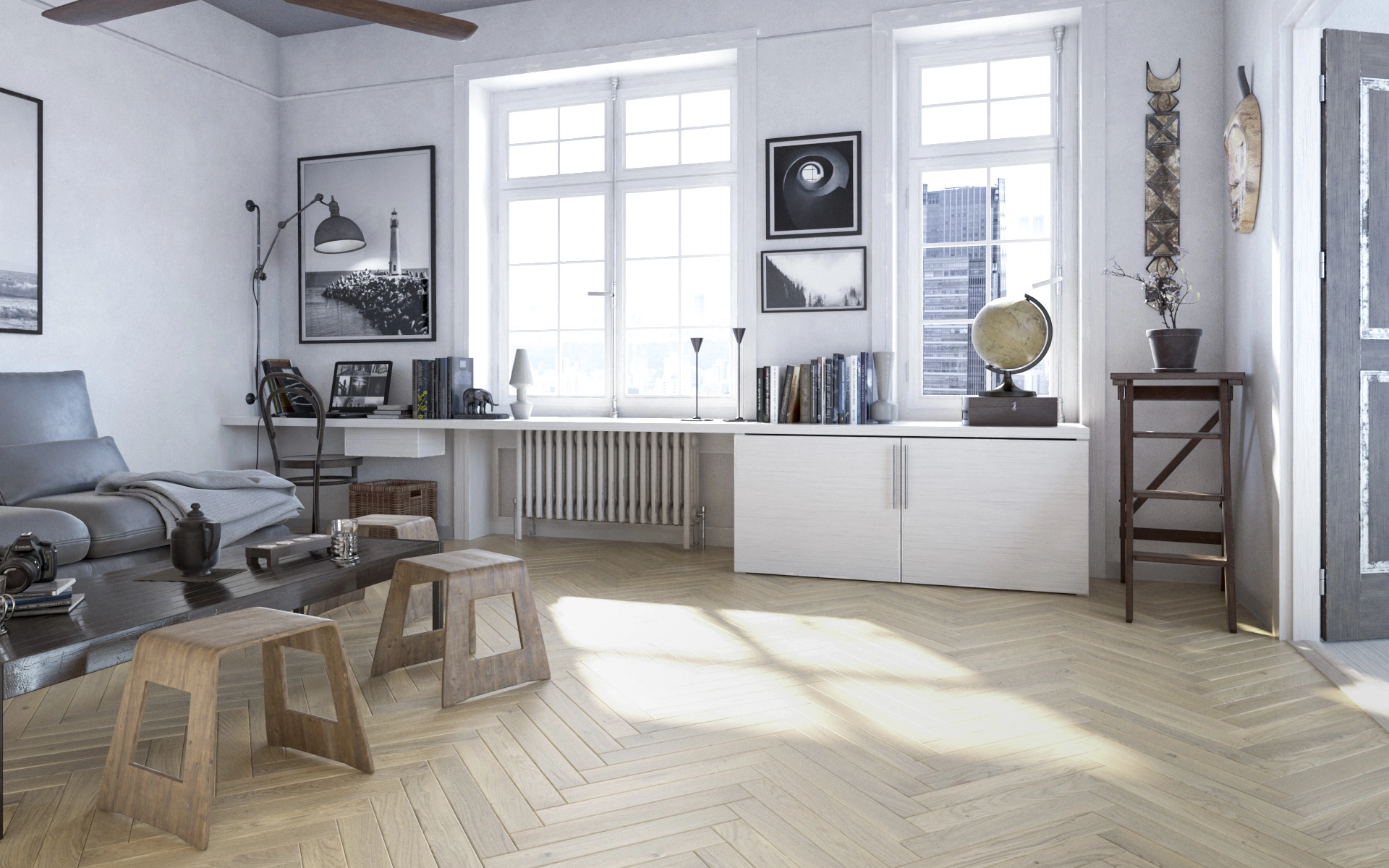
The colour of your wood flooring can completely change the feel of a room. Light wood flooring can make a space feel larger, brighter, and more open, which is ideal for smaller rooms or properties with limited natural light. Mid-toned floors are flexible and suit a wide range of interiors, while dark wood flooring creates a rich, elegant look that adds depth and character.
You should also think about how the floor colour will work with your walls, furniture, and natural light. A floor that looks warm in a showroom may appear different in your own home depending on the direction of light and surrounding décor. Samples should always be viewed in the room where the flooring will be installed, at different times of day, before making a final decision.
Consider the Finish
The finish you choose affects both the appearance and maintenance of your flooring. Oiled wood flooring gives a natural, soft look that highlights the grain and texture of the timber. It can be easier to repair locally if small areas become damaged. Lacquered or varnished finishes provide a more protective surface and may be easier to clean, making them suitable for busy households.
Matte finishes are popular for modern interiors because they feel understated and contemporary. Satin finishes offer a subtle sheen, while gloss finishes create a more reflective and formal appearance. The best finish will depend on your style preferences and how much day-to-day maintenance you want to carry out.
Look at Board Width and Plank Style
Board width has a big impact on the overall look of the floor. Wider planks can make a room feel more spacious and luxurious, while narrower boards often create a more traditional or detailed appearance. Long planks can reduce the number of visible joints and give a cleaner, more seamless finish.
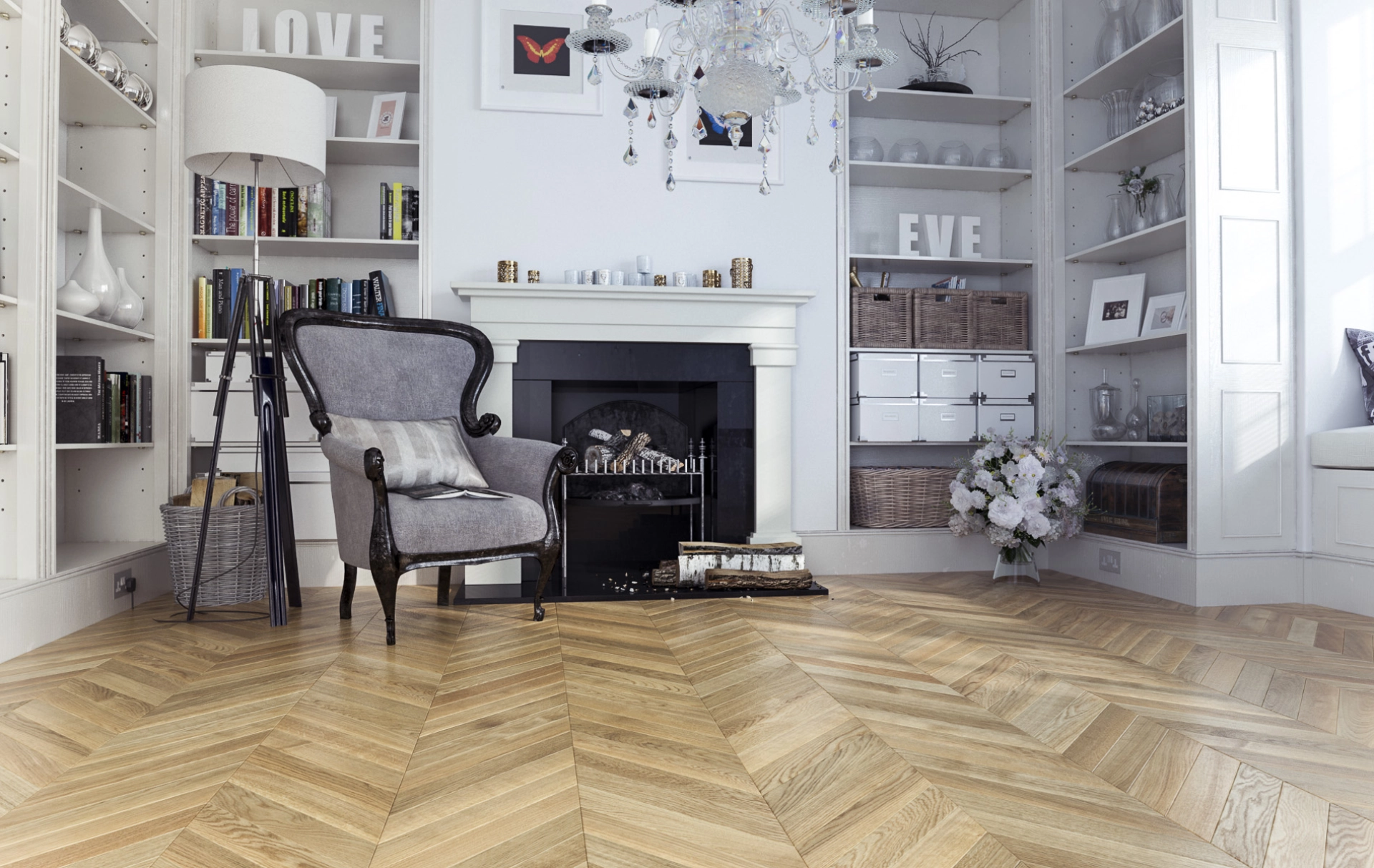
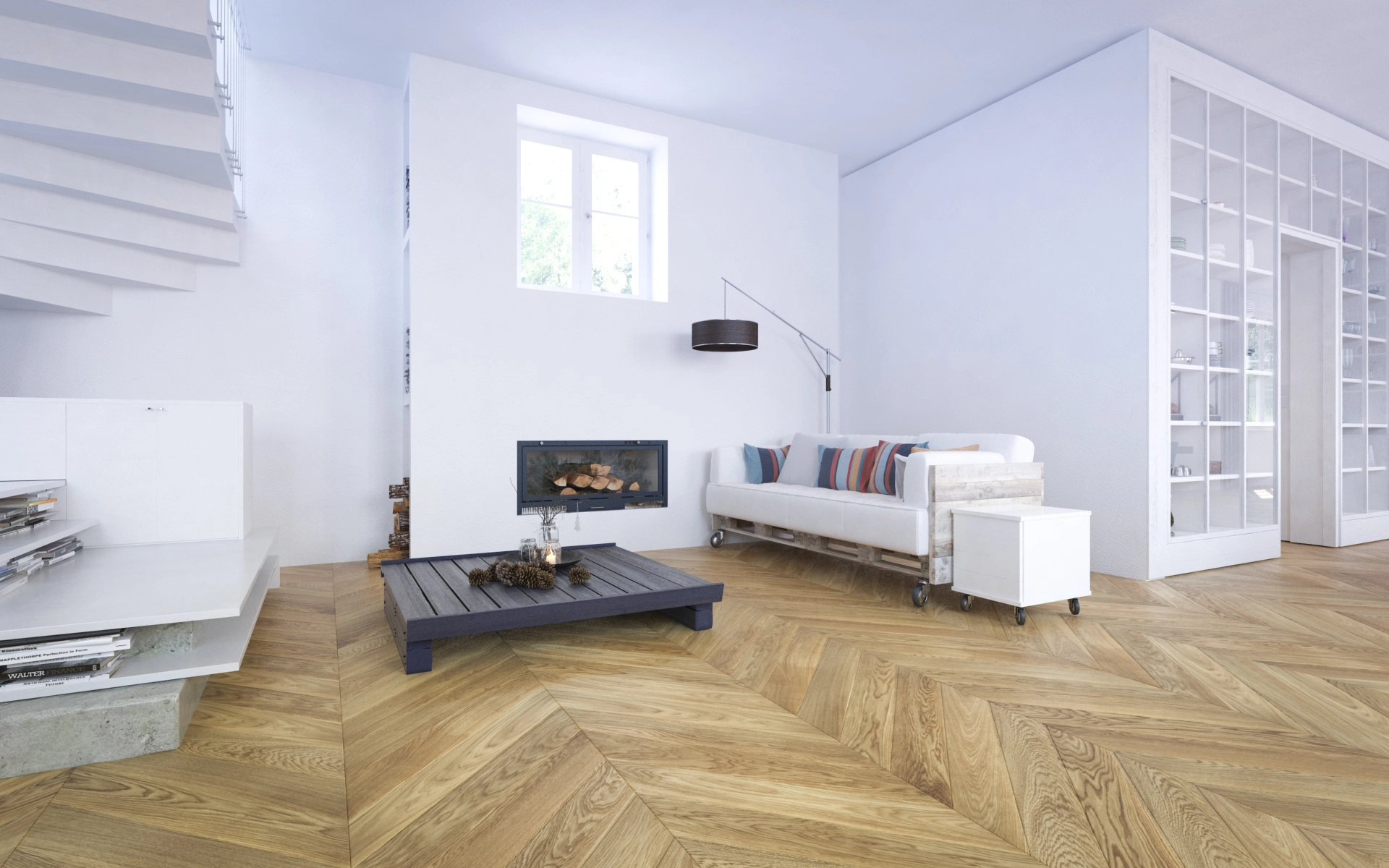
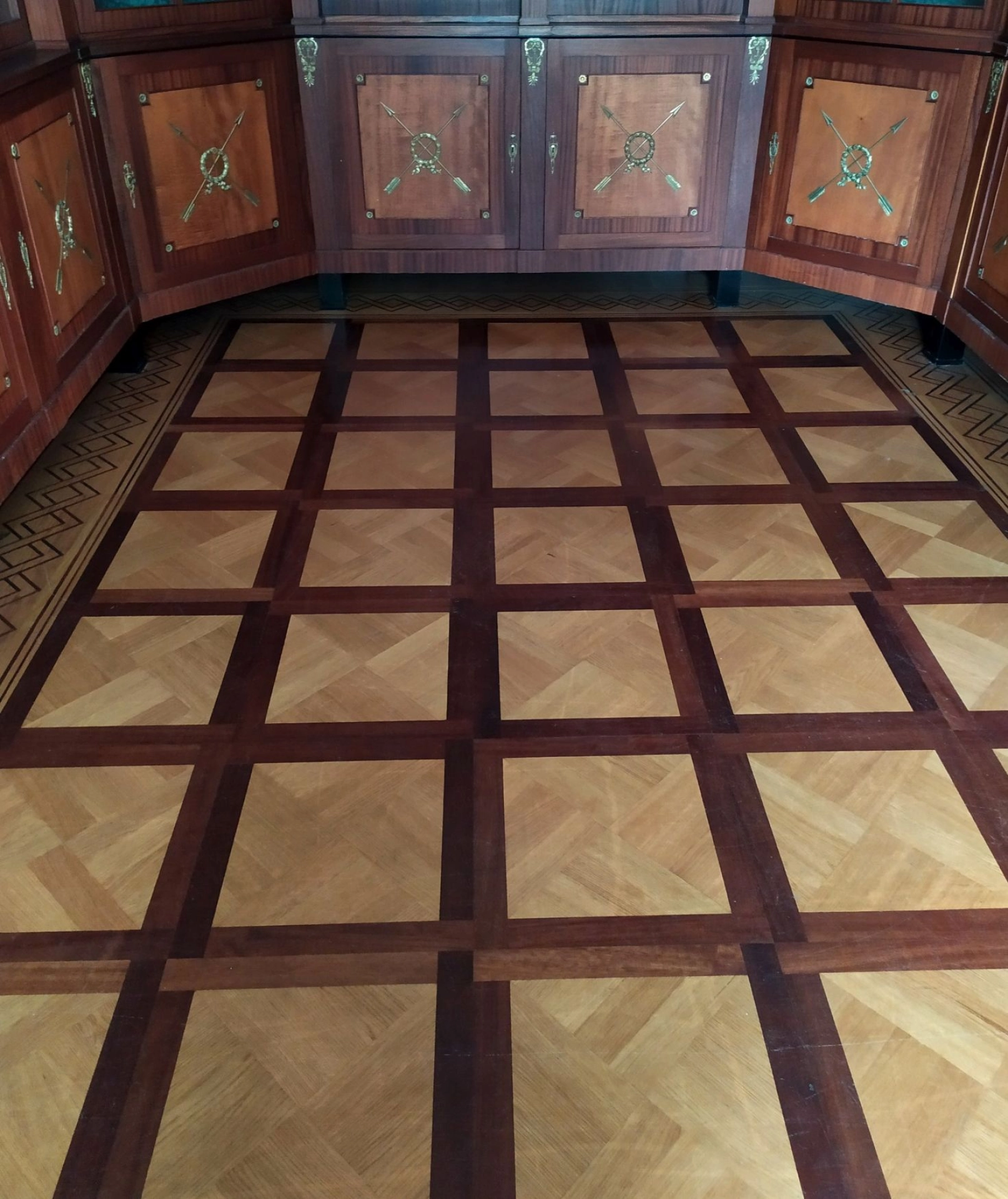
The way the floor is laid also matters. A straight plank layout offers a timeless look, while patterns such as herringbone or chevron create more visual interest and a premium feel. These designs are often chosen for period homes, feature rooms, and high-end interiors. If you are unsure, it is worth speaking to a wood flooring specialist who can advise on the most suitable pattern for your space.
Check Durability and Maintenance Requirements
Wood flooring should not only look good on the day it is installed, but also continue to perform for years to come. Before choosing a product, check how it will respond to everyday life. If you expect heavy footfall, pets, or frequent furniture movement, choose a flooring option with strong surface protection and a timber species that can withstand regular use.
Maintenance is another key factor. Some floors need regular oiling, while others require only simple sweeping and occasional mopping. If you want a low-maintenance option, engineered wood with a durable factory finish may be the most practical solution. If you value the ability to refresh the surface in future, a solid wood floor may offer greater long-term flexibility.
Make Sure It Works With Underfloor Heating
If your property uses underfloor heating, you must choose a flooring product that is suitable for it. Engineered wood flooring is generally the preferred choice because its layered construction makes it more stable under temperature changes. Solid wood can be used in some situations, but it requires more careful specification and installation.
Compatibility is important because the wrong flooring can expand, contract, or fail to perform properly when used with heating systems. Always confirm the product is approved for underfloor heating and installed according to the manufacturer’s guidance.
Match the Floor to Your Interior Style
Wood flooring should enhance the overall design of the property. A rustic oak floor may be ideal for a country-style home, while a sleek engineered plank in a muted tone may suit a minimalist interior. Heritage properties often benefit from floors with natural character, while modern homes can use cleaner finishes and wider boards to achieve a contemporary feel.
When choosing wood flooring, think beyond current trends. A well-selected floor should remain attractive for many years and adapt to changes in décor. Neutral, natural finishes often provide the most lasting appeal.
Always Use Samples and Expert Advice
One of the best ways to choose wood flooring is to request samples and compare them in your own space. This allows you to see how the colour, texture, and finish react to your lighting and furnishings. A sample that looks perfect online or in a showroom may appear quite different at home.
Working with a wood flooring specialist or joinery expert can also save time and avoid costly mistakes. At 7braci, we help customers assess product suitability, installation requirements, and design options so they can choose flooring with confidence.
Final Thoughts
Choosing wood flooring is about more than picking a colour you like. You need to consider the room, the timber type, the finish, durability, maintenance, and how the floor will work with the rest of your home. Solid wood and engineered wood flooring each have advantages, and the best choice will depend on your needs and priorities. By taking time to compare options and seek professional advice, you can select a floor that is practical, beautiful, and built to last.