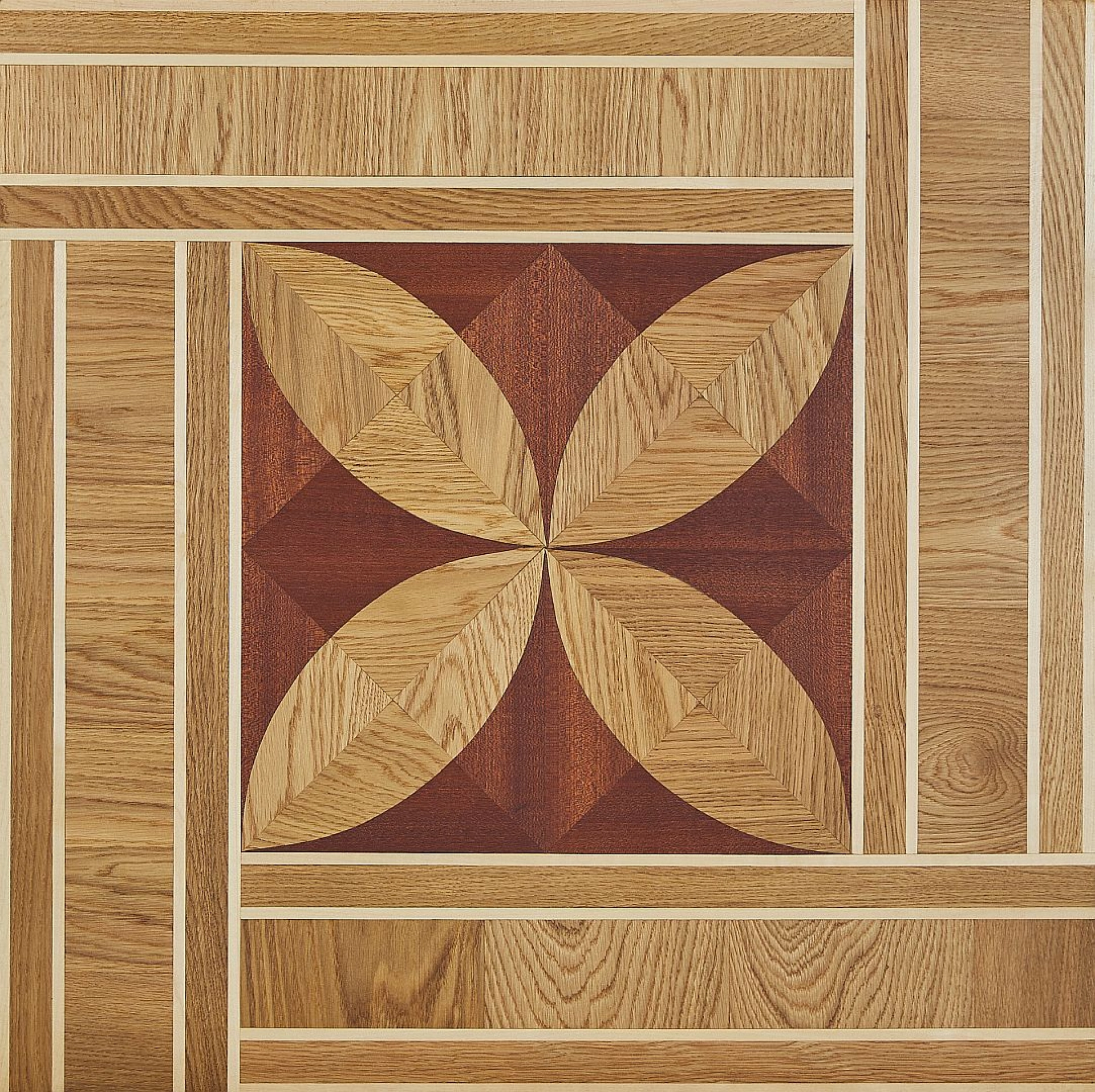
Acclimating wood flooring is one of the most important steps before installation. Whether you are fitting solid hardwood, engineered wood, or parquet, proper acclimation helps the boards adjust to the temperature and humidity of the room. This reduces the risk of gaps, cupping, buckling, and other costly flooring problems later on. If you are planning a new floor and want long-lasting results, understanding how to acclimate wood flooring correctly is essential.
What Does Acclimating Wood Flooring Mean?
Wood is a natural material that reacts to its environment. It expands when it absorbs moisture and contracts when the air becomes dry. Acclimation is the process of letting the flooring sit in the room where it will be installed so it can adjust to the conditions of that space before fitting begins.
In simple terms, acclimating wood flooring means giving the boards time to “settle” into the room’s temperature and humidity. This helps the moisture content of the timber become more stable and closer to the environment inside your home or building.
Why Is Acclimation Important?
Installing wood flooring without acclimating it first can lead to problems after installation. If the boards are too wet, they may shrink as they dry, leaving visible gaps. If they are too dry, they may absorb moisture after fitting and swell, causing buckling or lifting.
Proper acclimation helps to:
- Reduce expansion and contraction issues
- Improve the overall appearance of the floor
- Protect against warping, cupping, and crowning
- Support a more stable and durable installation
- Help the floor perform better over time
For homeowners, builders, and property developers, taking the time to acclimate wood flooring properly is a small step that can prevent expensive repairs later.
How Long Should Wood Flooring Acclimate?
There is no single answer for every project, because acclimation time depends on the type of wood flooring, the product’s moisture content, and the conditions in the property. As a general guide, many wood flooring products should acclimate for at least 48 to 72 hours. In some cases, especially with solid hardwood or when conditions differ greatly from storage to installation site, longer may be needed.
The best approach is to follow the manufacturer’s instructions for the specific floor you are installing. If you are unsure, a professional wooden floor specialist can assess the room and recommend the right timeframe.
When Should You Start Acclimating Wood Flooring?
Acclimation should begin only after the room is ready for installation. This means the building should be enclosed, dry, and climate-controlled. Heating and air conditioning should be working, and wet trades such as plastering, screeding, or painting should ideally be finished and dried out before the flooring arrives.
Do not acclimate wood flooring in an unfinished room, garage, or damp area. The flooring must adjust to the same conditions it will experience after installation. If the environment keeps changing, the wood cannot stabilise properly.
How to Acclimate Wood Flooring Step by Step
1. Store the flooring in the installation room.
Place the unopened packs of flooring in the room where they will be fitted. This allows the wood to adjust to the local temperature and humidity.
2. Keep the room at normal living conditions.
Maintain a stable temperature and humidity level. A typical indoor environment is usually best. Avoid extreme heat, cold, or damp conditions.
3. Leave the packaging as recommended.
Some flooring products should remain sealed during acclimation, while others may benefit from opening the boxes slightly to allow airflow. Always check the manufacturer’s guidance before unpacking.
4. Stack the boards correctly.
Do not lay the flooring flat directly on the floor. Instead, stack the packs with space around them so air can circulate. If the boxes are open, keep the boards supported and level.
5. Protect from moisture and direct heat.
Keep the flooring away from radiators, underfloor heating sources, windows with strong sun exposure, or any damp areas. Sudden changes in temperature can affect the boards.
6. Check the moisture content.
For professional installations, a moisture meter can be used to confirm the flooring and subfloor are within the correct range. This is especially important for high-end joinery and specialist flooring projects.
7. Install only when conditions are stable.
Once the flooring has adjusted and the room conditions are consistent, installation can begin. If the environment changes significantly during acclimation, the process may need to restart.
Do All Types of Wood Flooring Need Acclimation?
Yes, most wood flooring products benefit from acclimation, but the requirements can differ.
Solid wood flooring usually needs the most careful acclimation because it expands and contracts more noticeably with changes in humidity.
Engineered wood flooring is more dimensionally stable, but it still needs time to adapt to the room before installation.
Parquet flooring and other natural timber floors also need proper acclimation to reduce movement after fitting.
Even if a product is marketed as stable or pre-finished, it is still a natural wood product and should not be installed straight from storage without checking the recommended acclimation process.
Common Mistakes to Avoid
One of the most common mistakes is installing flooring too soon. Even if the room looks ready, the timber may still be adjusting internally. Another mistake is storing the flooring in the wrong environment, such as a cold shed or damp basement.
Other mistakes include:
- Leaving the flooring near heat sources
- Acclimating in an unfinished building
- Ignoring moisture readings in the subfloor
- Failing to follow the manufacturer’s instructions
- Not allowing enough time for the timber to stabilise
These errors can compromise the performance of the floor and shorten its lifespan.
How Do You Know If Wood Flooring Is Ready to Install?
The flooring is ready when it has had enough time to adjust and the room conditions are stable. In professional installations, this is often confirmed by checking the moisture content of both the timber flooring and the subfloor. The values should be compatible with the manufacturer’s recommended ranges.
If the floorboards are still moving, swollen, or showing signs of separation in the pack, they may need more time. A qualified flooring specialist can help determine whether installation should proceed.
Acclimation and Underfloor Heating
If your project includes underfloor heating, acclimation becomes even more important. Wood flooring used with underfloor heating must be suitable for that system, and the heating should be brought up to operating temperature gradually before installation. This helps to reduce moisture imbalance and gives the wood a better chance to perform well over time.
Never install wood flooring over underfloor heating without checking both the product specification and the recommended installation process. A specialist joinery or flooring team can advise on the safest method.
Professional Advice for Best Results
Although acclimating wood flooring can be managed on site, professional guidance can make a big difference. At 7braci.com, we understand that a beautiful wood floor starts long before the first board is fixed in place. From moisture checks and site preparation to joinery details and finishing, every stage matters.
If you want the best possible result, treat acclimation as part of the overall installation process, not as an optional extra. Correct preparation helps preserve the natural beauty, strength, and value of your floor for years to come.
Conclusion
So, how do you acclimate wood flooring? Place it in the room where it will be installed, keep the environment stable, allow enough time for the timber to adjust, and always follow the manufacturer’s instructions. By doing this, you reduce the risk of movement after installation and create a more durable, attractive floor.
For homeowners and professionals alike, proper acclimation is one of the simplest ways to protect your investment. If you are planning a wood flooring project and want expert support, working with a wooden floor specialist and joinery team can help ensure everything is done correctly from the start.