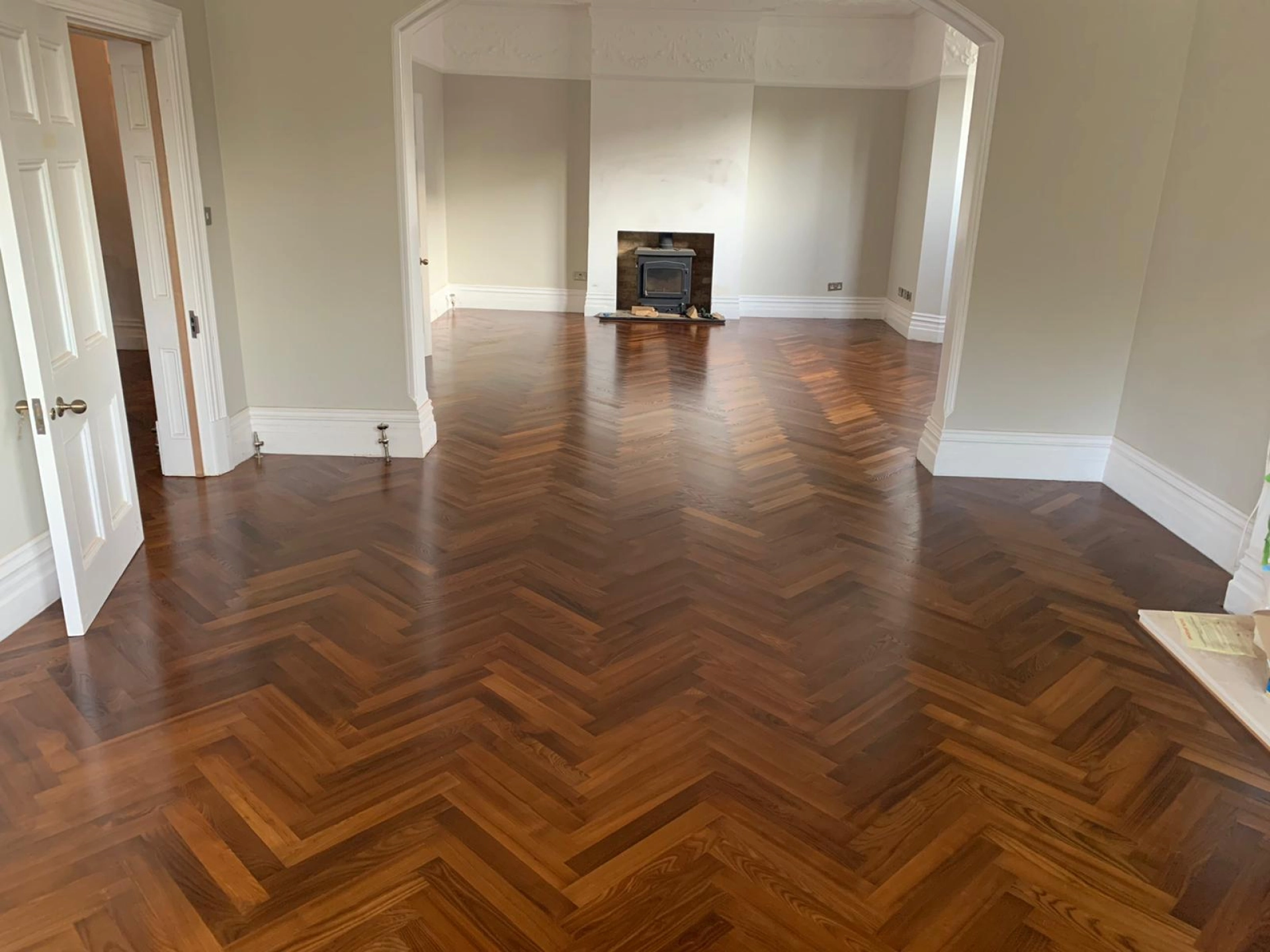
Engineered wood flooring is a popular choice for modern homes because it combines the natural beauty of real wood with greater stability and durability. If you want your floors to stay looking their best for years, knowing how to clean engineered wood flooring properly is essential. The good news is that engineered wood is easy to maintain when you use the right products, the right cleaning methods, and avoid common mistakes that can damage the surface.
Why Proper Cleaning Matters
Engineered wood flooring is made from a real hardwood top layer bonded to multiple layers of plywood or high-density core material. This layered construction makes it more resistant to movement than solid wood, but it still needs careful cleaning. Too much water, harsh chemicals, or abrasive tools can damage the finish, cause swelling, or leave dull patches. Regular cleaning not only keeps your floor hygienic and attractive, but also helps protect your investment in quality flooring.
Daily Cleaning for Engineered Wood Floors
The best way to clean engineered wood flooring day to day is to remove dust, grit, and loose dirt before it scratches the surface. Use a soft-bristle broom, a microfiber dust mop, or a vacuum cleaner with a hard floor setting. Avoid vacuums with rotating brush bars unless they are specifically designed for wood floors, as these can mark the finish over time.
In busy areas such as hallways, kitchens, and living rooms, a quick daily sweep or vacuum will make a big difference. Dirt particles may seem harmless, but when they are walked across the floor they act like sandpaper. Regular dry cleaning is one of the simplest ways to extend the life of your engineered wood floor.
How to Mop Engineered Wood Flooring Safely
When your floor needs a deeper clean, use a damp mop rather than a wet one. The key word here is damp. Excess water is one of the main causes of damage to engineered wood flooring. Never soak the floor or leave standing water on the surface.
Start by mixing a small amount of pH-neutral wood floor cleaner with water, following the manufacturer’s instructions. Lightly mist the mop or apply the solution to a microfiber mop pad. Clean the floor in sections, working in the direction of the boards. If the mop becomes dirty, rinse and wring it out well before continuing. The floor should dry quickly after cleaning.
If you prefer, you can also use a specialist engineered wood floor cleaner that is designed to remove marks without harming the finish. Always check the product label to make sure it is suitable for sealed wood floors.
What to Avoid When Cleaning Engineered Wood Flooring
There are a few common mistakes that can shorten the life of engineered wood flooring. Avoid steam cleaners, as the heat and moisture can force water into the joints and damage the layers beneath the surface. Do not use harsh cleaners such as bleach, ammonia, vinegar in strong concentrations, or abrasive powders, as these can strip the protective coating.
It is also important not to use very wet mops, soaking cloths, or buckets of water. Standing water can seep into seams and cause the boards to swell, lift, or discolour. Similarly, avoid wax-based products unless your floor manufacturer recommends them, because they can leave a residue and make future cleaning more difficult.
How to Remove Stains and Spills
Spills should be cleaned up as quickly as possible. Blot liquid immediately with a soft, dry cloth or paper towel. Do not rub, as this can spread the stain or scratch the finish. For sticky marks or dried-on dirt, use a slightly damp microfiber cloth and a small amount of wood floor cleaner.
For tougher stains such as food, mud, or scuff marks, gently wipe the area using a soft cloth. If the mark remains, try a cleaner recommended for engineered wood flooring. Be patient and avoid scrubbing with abrasive pads or wire brushes. If a stain has penetrated the finish, it may require professional attention rather than aggressive DIY cleaning.
Best Products for Cleaning Engineered Wood Floors
The safest products for engineered wood floor cleaning are pH-neutral cleaners made specifically for sealed wood flooring. Microfiber mops and cloths are also ideal because they trap dust and dirt without scratching the surface. If your floor has a lacquered or UV-oiled finish, check that your cleaner is suitable for that specific surface type.
In most cases, less is more. You do not need strong detergents or heavy cleaning agents to keep engineered wood floors in good condition. A simple routine using the correct cleaner and a microfiber mop will usually provide the best results.
How Often Should You Clean Engineered Wood Flooring?
The frequency of cleaning depends on how much traffic your floor gets. In general, dry dusting or vacuuming should be done at least once or twice a week, and more often in high-traffic rooms or homes with pets and children. Damp mopping is usually needed once every one to two weeks, or whenever the floor starts to look dull or marked.
Homes with muddy shoes, dogs, or busy family life may need more frequent attention. On the other hand, rooms that are used less often may only require occasional cleaning. The important thing is to stay consistent and prevent dirt from building up.
Protecting Engineered Wood Flooring Between Cleans
Cleaning is only part of the care routine. To keep your engineered wood flooring in top condition, place mats at external doors to trap grit before it reaches the floor. Use felt pads under furniture legs to prevent scratches, and lift furniture rather than dragging it across the surface.
Wipe up spills right away and keep pet nails trimmed to reduce surface wear. You should also maintain a stable indoor environment, as extreme humidity changes can affect any wood-based flooring. Proper care and regular cleaning work together to preserve the natural look of engineered wood.
Can You Use Water on Engineered Wood Floors?
Yes, but only in small amounts. Engineered wood flooring can be cleaned with a lightly damp mop, but it should never be saturated. Water is safe when used carefully and sparingly, especially on sealed floors. The goal is to clean the surface without allowing moisture to pool or penetrate the joints.
If you are unsure whether your floor is sealed, oiled, or lacquered, check with your flooring supplier or installer before using any cleaning product. Different finishes may require slightly different maintenance methods.
When to Call a Flooring Specialist
If your engineered wood floor has deep scratches, persistent stains, dull patches, or signs of water damage, it may be time to speak to a flooring specialist. Some finishes can be refreshed, repaired, or restored, depending on the thickness of the top layer and the condition of the floor. Professional advice can help you avoid causing further damage with the wrong cleaning approach.
At 7braci.com, we know that beautiful wood floors deserve proper care. As wooden floor specialists and joinery experts, we understand how important it is to maintain engineered wood flooring correctly from day one. If you need advice on cleaning, maintenance, repair, or restoration, our team can help you protect and enhance your flooring for the long term.
Final Tips for Cleaning Engineered Wood Flooring
To keep engineered wood flooring looking its best, remember the basics: remove dust regularly, use a microfiber mop, choose a pH-neutral cleaner, and avoid excessive water. Clean spills quickly, protect the floor from scratches, and never use steam or abrasive products. With the right approach, your engineered wood floor can stay clean, attractive, and long-lasting for many years.