How to Clean Herringbone Flooring: A Complete Guide
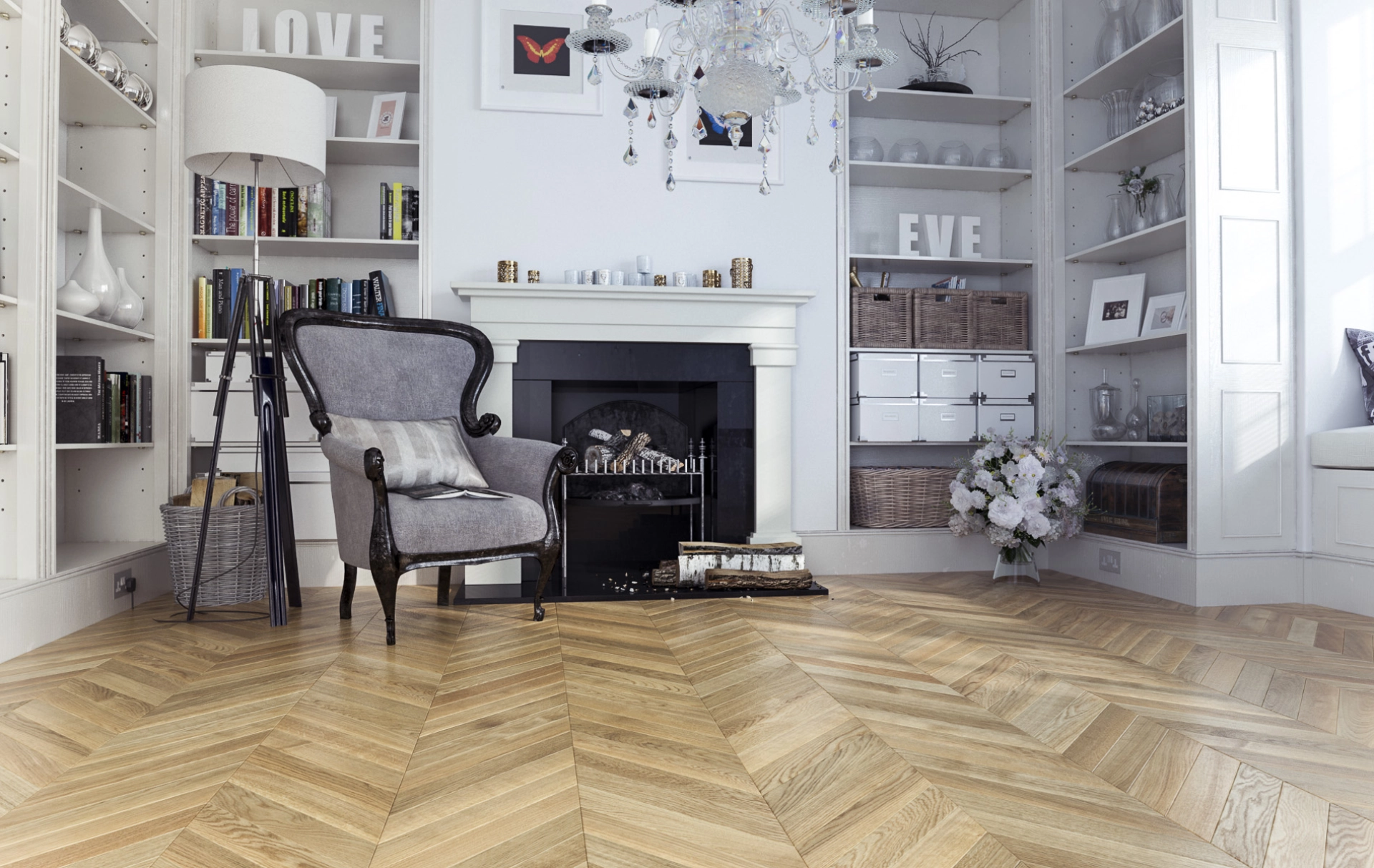
Herringbone flooring is a timeless choice that adds elegance, texture, and character to any home or commercial space. Whether your herringbone floor is made from solid wood, engineered wood, or parquet blocks, proper cleaning is essential to keep it looking its best. At 7braci.com, we know that beautiful wooden flooring deserves the right care. In this guide, we explain how to clean herringbone flooring safely and effectively, helping you protect your investment and extend the life of your floor.
Why Herringbone Flooring Needs Special Care
Herringbone flooring is admired for its distinctive pattern, but that same design can also collect dust and dirt in the joints and grain more easily than flat, uniform surfaces. Because wooden floors are natural materials, they can be damaged by too much water, harsh chemicals, or abrasive cleaning tools. Cleaning herringbone flooring properly helps preserve the finish, prevent scratches, and maintain the natural beauty of the wood.
Daily Cleaning for Herringbone Wood Floors
The best way to keep herringbone flooring in good condition is to clean it regularly. Daily or frequent maintenance prevents dirt from building up and scratching the surface. Use a soft-bristle broom, a microfiber dust mop, or a vacuum cleaner with a hardwood floor attachment. These tools are ideal because they remove dust, crumbs, and grit without damaging the wood.
If you vacuum, make sure the beater bar or rotating brush is switched off unless your vacuum is specifically designed for wooden floors. Always move gently along the pattern of the herringbone to avoid missing dust trapped between the boards.
How to Mop Herringbone Flooring Safely
When deeper cleaning is needed, mopping can be effective, but it must be done carefully. Wooden floors should never be saturated with water. Excess moisture can seep into the joints, causing swelling, warping, or long-term damage.
Use a slightly damp microfiber mop and a cleaner specifically designed for wood floors. Always follow the manufacturer’s instructions and test the product on a small hidden area first. Wring the mop out thoroughly so it is only lightly damp, not wet. Clean the floor in sections and dry each area immediately with a soft cloth if needed.
Best Products for Cleaning Herringbone Flooring
Choosing the right cleaning products is essential. For most herringbone wood floors, a pH-neutral wood floor cleaner is the safest option. Avoid bleach, ammonia, vinegar, steam cleaners, and all-purpose chemical cleaners unless they are clearly approved for use on timber flooring.
If your herringbone floor has a lacquered finish, use products formulated for sealed wood. If it is oiled, use a cleaner designed for oiled floors and consider periodic maintenance oiling to protect the surface. At 7braci.com, we always recommend matching your cleaning routine to the finish of your floor, as lacquered and oiled herringbone flooring require different care.
How to Remove Stains from Herringbone Flooring
Spills should be wiped up straight away to stop stains from setting in. For everyday marks, a soft cloth dampened with a wood-safe cleaner is usually enough. For sticky residue, gently rub the area with a slightly damp microfiber cloth rather than scrubbing aggressively.
For tougher stains, such as food, mud, or scuff marks, use a specialist wood floor stain remover if suitable for your floor’s finish. Never use steel wool, rough sponges, or strong solvents, as these can damage the protective coating or the wood itself. If a stain has penetrated deeply into the timber, professional floor restoration may be required.
How to Clean Different Types of Herringbone Flooring
Not all herringbone flooring is the same. Solid wood herringbone, engineered wood herringbone, and parquet-style herringbone each need slightly different cleaning routines.
Solid wood herringbone flooring is durable but more sensitive to moisture changes, so cleaning should always be light and controlled. Engineered wood herringbone flooring is often more stable, but it still needs gentle care to protect the surface layer. Parquet flooring laid in a herringbone pattern may have gaps or older finishes, so extra caution is needed when using any liquid cleaner.
If you are unsure what type of floor you have, check the installation details or consult a wooden floor specialist before using any new product.
Things to Avoid When Cleaning Herringbone Flooring
To keep herringbone flooring in top condition, avoid common mistakes that can cause damage over time. Do not use too much water, and never leave puddles on the floor. Avoid harsh chemicals, wax-based products unless specifically recommended, and steam mops, which can force moisture into the wood and weaken adhesives or finishes.
You should also avoid dragging furniture, wearing shoes with hard debris on the soles, or letting sand and grit build up. Small particles act like sandpaper and can dull the finish or cause scratches, especially on the raised edges of the herringbone pattern.
How to Protect Herringbone Flooring After Cleaning
Cleaning is only one part of maintaining a beautiful wooden floor. Protecting your herringbone flooring after cleaning will help keep it looking fresh for longer. Place felt pads under furniture legs, use mats at entrances, and clean up spills immediately. In busy areas, consider rugs with breathable backings that are safe for wood floors.
Keep indoor humidity levels stable where possible, as excessive dryness or moisture can affect wooden flooring. Regular care, combined with the right cleaning products, helps preserve both the appearance and structure of the floor.
How Often Should You Clean Herringbone Flooring?
For most homes, sweeping or vacuuming two to three times a week is enough to remove dust and grit. Mopping with a wood-safe cleaner can usually be done once every one to two weeks, depending on foot traffic. In kitchens, hallways, and commercial spaces, more frequent cleaning may be necessary.
The key is to clean regularly but gently. A little maintenance done often is far better than occasional heavy cleaning, which can increase the risk of damage.
When to Call a Wooden Floor Specialist
If your herringbone flooring looks dull, scratched, stained, or uneven, professional help may be the best solution. A wooden floor specialist can assess the condition of your floor and recommend whether cleaning, re-oiling, sanding, or restoration is needed. At 7braci.com, our joinery and wooden flooring expertise means we understand how to care for herringbone floors properly and how to restore them when necessary.
Professional advice is especially useful for older floors, heritage properties, or floors with bespoke finishes. With expert care, even tired-looking herringbone flooring can often be brought back to life.
Final Thoughts
Knowing how to clean herringbone flooring correctly will help you protect its beauty and extend its lifespan. The most important rules are simple: remove dust regularly, use only lightly damp mops, choose wood-safe cleaners, and avoid excess water or harsh chemicals. With the right routine, your herringbone wood floor will continue to be a stunning feature in your home for years to come.
If you need help with cleaning, maintenance, or restoration, 7braci.com is here to help. As wooden floor specialists and joinery experts, we provide the knowledge and craftsmanship needed to care for your flooring properly.