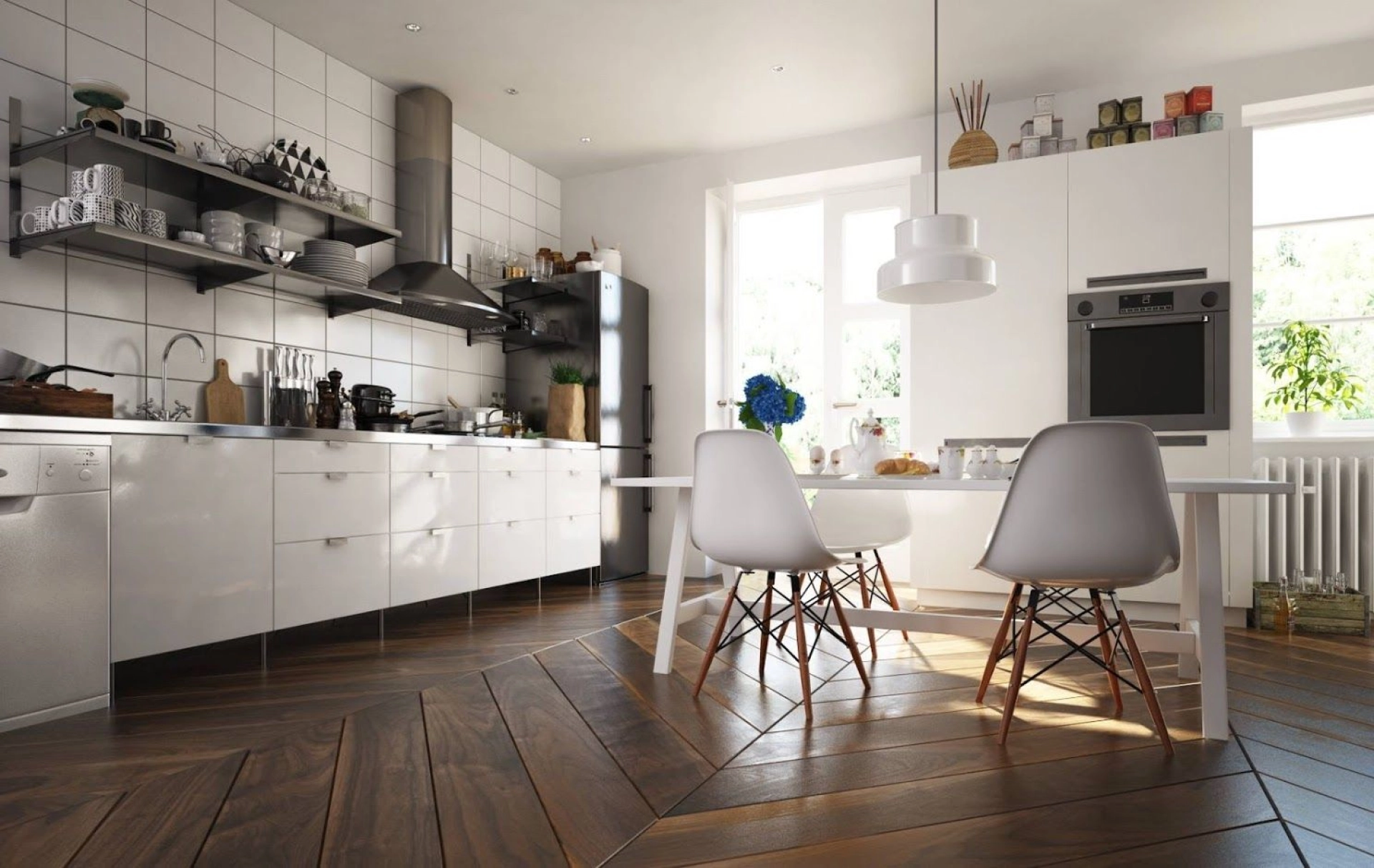
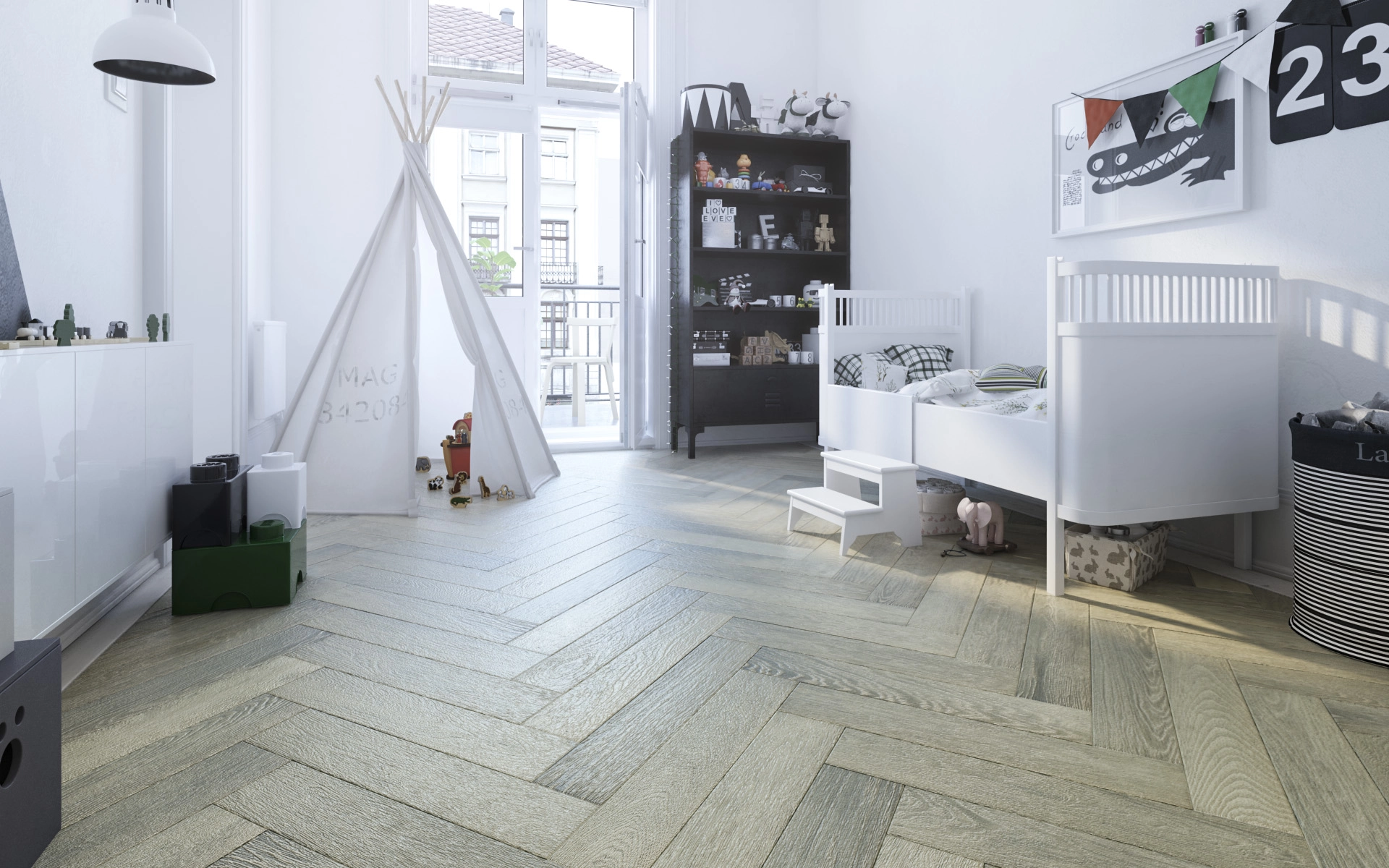
Parquet flooring is a beautiful and timeless choice, adding warmth, character, and value to any home. Because it is made from natural wood, it needs the right cleaning method to protect the finish and keep the pattern looking its best. If you are wondering how to clean parquet flooring safely and effectively, the key is to use gentle techniques, avoid excess water, and maintain the surface regularly.
Why Proper Parquet Floor Cleaning Matters
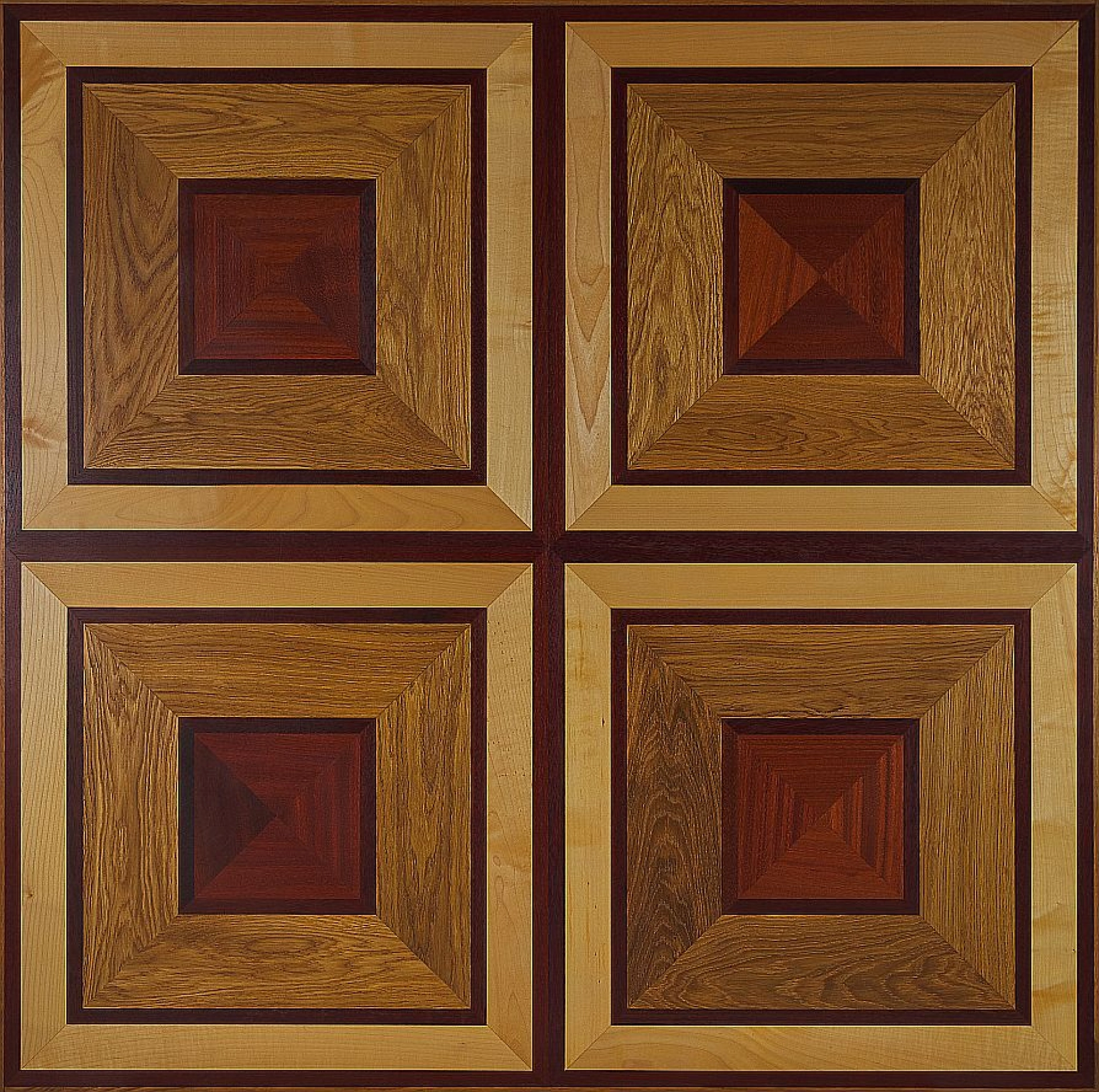
Parquet floors are made from individual wood blocks or strips arranged in decorative patterns such as herringbone or basket weave. This means they can be more sensitive to moisture, harsh chemicals, and abrasive tools than other types of flooring. Cleaning parquet flooring correctly helps preserve the wood, prevent staining, reduce wear, and extend the life of the floor. With the right routine, parquet can stay attractive for many years.
Daily Cleaning Routine for Parquet Flooring
The best way to keep parquet flooring clean is to remove dust, grit, and debris before they can scratch the surface. Use a soft-bristle broom, a dry microfibre mop, or a vacuum cleaner fitted with a hardwood floor attachment. This is especially important in busy areas such as hallways, kitchens, and living rooms.
If you vacuum parquet flooring, make sure the machine has a setting for hard floors and that the brush roll is not too aggressive. Avoid using a vacuum with a rotating brush designed for carpets, as this can cause scratches over time.
How to Mop Parquet Flooring Safely
When deeper cleaning is needed, a lightly damp mop is the safest option. Parquet flooring should never be soaked with water. Too much moisture can seep into the joints, causing the wood to swell, warp, or lift.
Use a well-wrung microfibre mop and a pH-neutral wood floor cleaner. Spray the cleaner lightly onto the mop or floor if recommended by the manufacturer, then wipe the surface gently. Always follow the wood floor cleaner instructions and avoid over-wetting any area.
After mopping, allow the floor to dry naturally and quickly. If possible, open windows for ventilation. Do not leave standing water on the floor.
What to Avoid When Cleaning Parquet Flooring
To protect parquet flooring, avoid using steam mops, bleach, ammonia-based cleaners, abrasive pads, or strong detergents. These products can damage the finish, dull the surface, or weaken the adhesive holding the blocks in place.
It is also important not to use excessive water, soap-heavy solutions, or soaking wet cloths. Even sealed parquet flooring can be damaged by repeated exposure to moisture. If you are unsure which cleaning products are suitable, check the manufacturer’s guidance or speak to a wooden floor specialist.
How to Remove Spills and Stains from Parquet Flooring
Spills should be cleaned as soon as possible. Use a soft dry cloth or paper towel to blot the liquid immediately. Do not rub, as this can spread the stain or push moisture further into the wood.
For sticky marks, use a slightly damp microfibre cloth with a small amount of wood floor cleaner. Wipe gently and dry the area straight away. For tougher stains, test any cleaning product on a small hidden area first. Never use harsh scrubbing tools, as parquet surfaces can scratch easily.
If stains have penetrated the finish or wood, professional floor restoration may be needed. In some cases, sanding and refinishing can bring the parquet flooring back to life.
How Often Should You Clean Parquet Flooring?
How often you clean parquet flooring depends on foot traffic and where the floor is located. In most homes, sweeping or vacuuming two to three times a week is enough to keep dust and grit under control. Mopping with a suitable cleaner can usually be done once every one to two weeks, or as needed.
In high-traffic areas or homes with pets and children, more frequent cleaning may be necessary. The important thing is to keep the floor free from abrasive dirt while avoiding over-cleaning with water or chemicals.
Best Products for Cleaning Parquet Flooring
When choosing cleaning products for parquet flooring, look for formulas that are specifically made for sealed wooden floors. A pH-neutral cleaner is usually the safest choice. These products are designed to clean without leaving a sticky residue or damaging the finish.
For ongoing maintenance, microfibre mops and soft dust mops work well because they trap dust without scratching the surface. If your parquet has an oiled finish, use cleaning products recommended for oiled wood floors. If it is lacquered or varnished, use products suitable for sealed wood flooring.
How to Protect Parquet Flooring After Cleaning
Cleaning is only one part of parquet floor care. To keep the floor looking its best, use felt pads under furniture legs, place mats at entrances, and avoid dragging heavy items across the surface. These simple steps reduce scratches and wear.
You should also wipe away grit and dirt regularly, as small particles act like sandpaper underfoot. If your parquet flooring is in direct sunlight, consider blinds or curtains to help reduce fading over time.
Cleaning Parquet Flooring by Finish Type
The finish on your parquet flooring affects how it should be cleaned. Lacquered parquet has a protective surface layer that makes routine cleaning easier, but it still needs gentle care. Oiled parquet requires cleaners designed to maintain the oil and nourish the wood. Unfinished parquet is more vulnerable to staining and moisture, so it should only be cleaned according to specialist advice.
If you are not sure what finish your parquet floor has, look at the shine and surface feel, or ask a wooden floor specialist for guidance. Using the wrong cleaner can reduce the lifespan of the finish.
When to Call a Parquet Flooring Specialist
Sometimes regular cleaning is not enough. If your parquet flooring has deep scratches, dull patches, lifted blocks, persistent stains, or signs of water damage, professional help may be needed. A wooden floor specialist can assess the condition of the floor and recommend cleaning, repairs, sanding, or restoration.
At 7braci.com, we understand how to care for parquet flooring properly, from everyday maintenance to full restoration. Professional support can make a significant difference, especially for older floors or floors that have lost their original finish.
Summary: The Best Way to Clean Parquet Flooring
The safest way to clean parquet flooring is to remove dust and grit regularly, use a lightly damp microfibre mop, and choose a pH-neutral cleaner made for wood floors. Avoid steam, excess water, and harsh chemicals, and clean spills quickly to prevent damage. With the right routine, parquet flooring will stay clean, elegant, and durable for years to come.
If you need expert advice on parquet flooring cleaning, maintenance, restoration, or joinery services, 7braci.com is here to help.