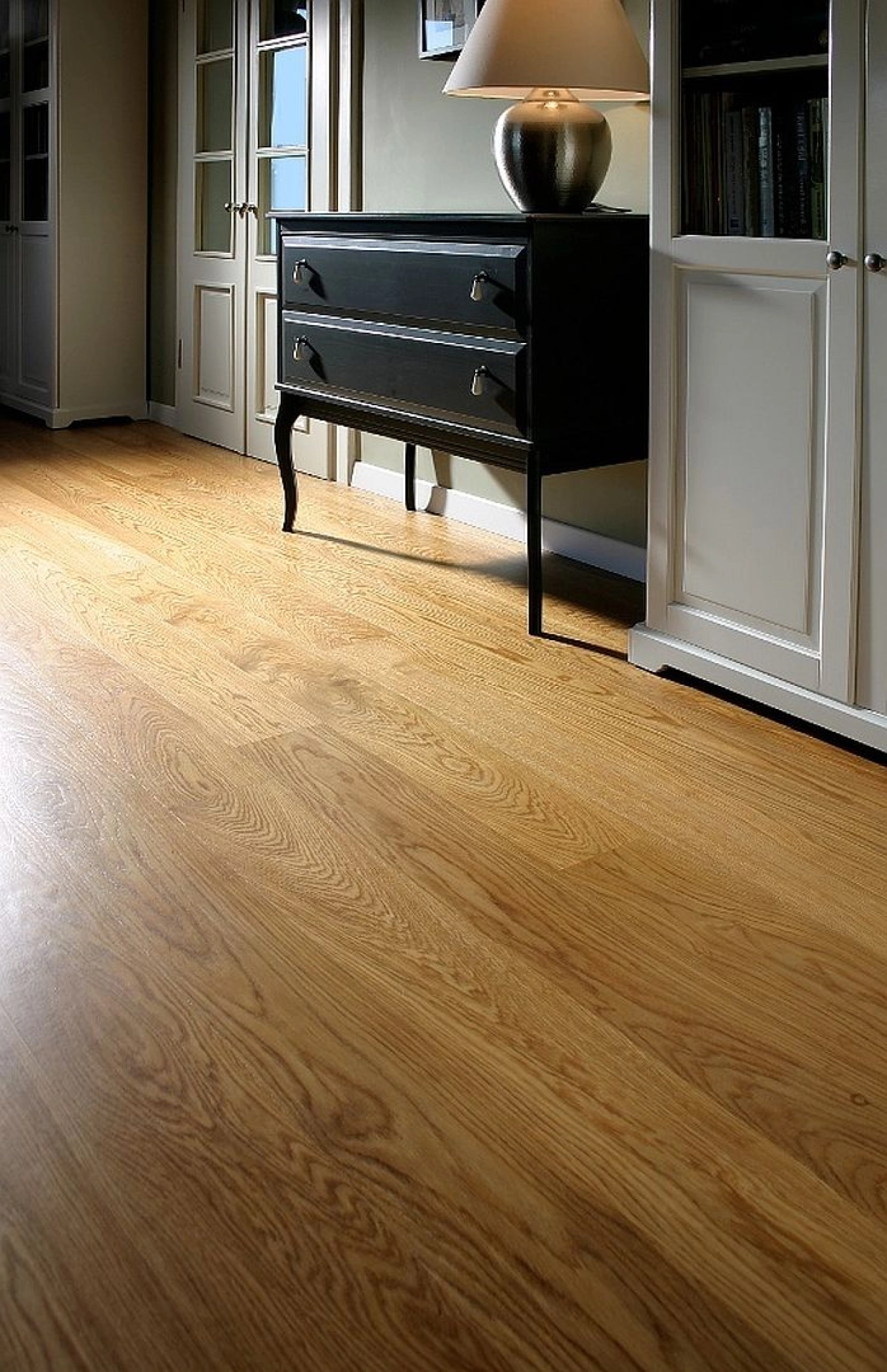
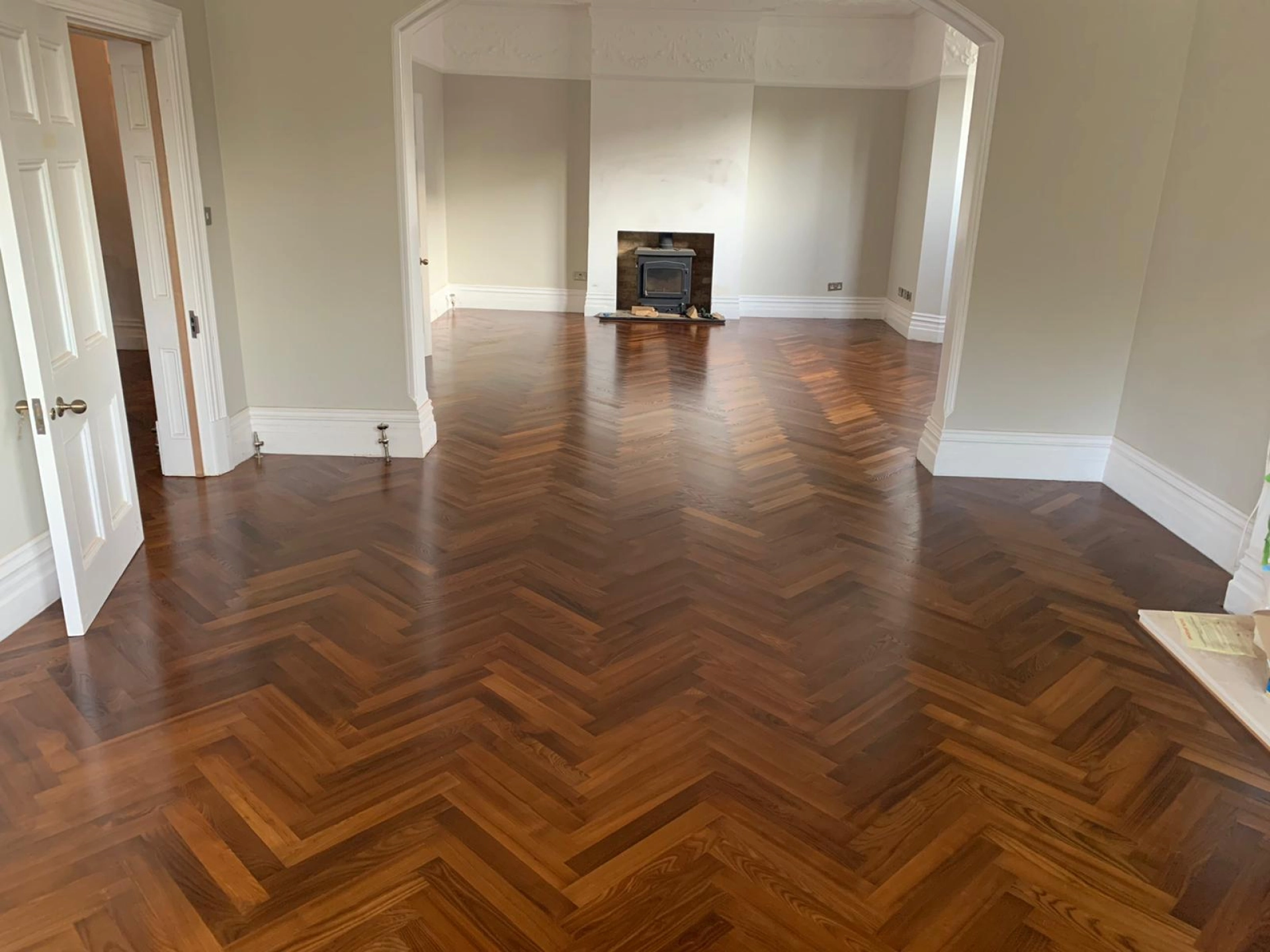
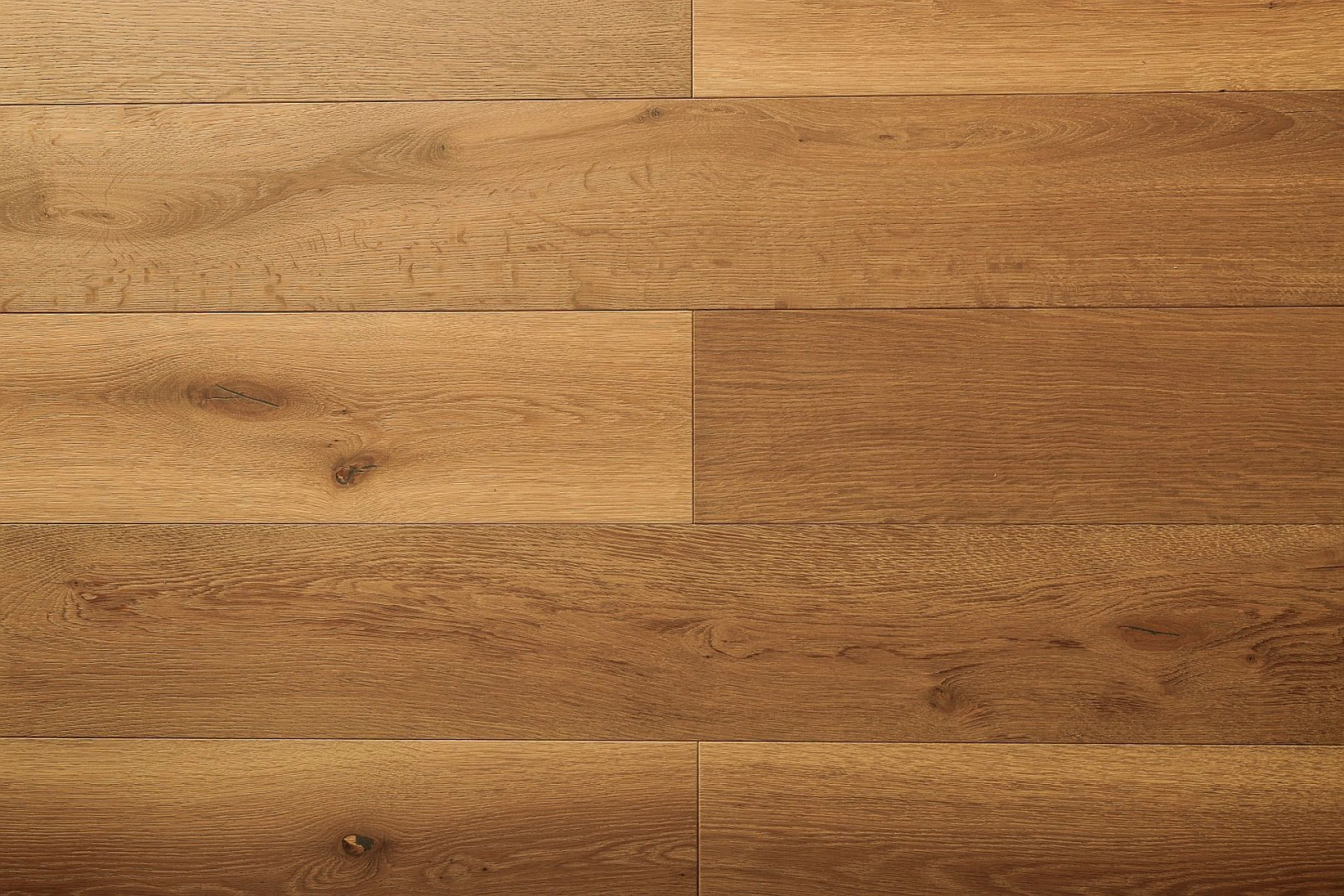
Engineered wood flooring is made of multiple layers of wood combined to create a strong, stable, and attractive floor. Unlike solid wood flooring, which is made from one piece of timber, engineered wood flooring uses a layered construction that improves durability and reduces movement caused by changes in temperature and humidity. This makes it a popular choice for modern homes, commercial interiors, and projects where performance matters as much as appearance.
If you are looking for a floor that delivers the natural beauty of real wood with added stability, engineered wood flooring is an excellent option. At 7braci.com, our experience in wooden flooring and joinery means we understand the materials, craftsmanship, and installation methods that make engineered flooring such a practical and stylish solution.
The Basic Structure of Engineered Wood Flooring
Engineered wood flooring is typically made from three main components: a top layer of real hardwood, a core layer made from plywood or high-density fibreboard, and a backing layer that helps balance the board. Each layer works together to create a product that looks like solid wood but performs better in many environments.
The top layer, often called the wear layer or veneer, is made from genuine hardwood such as oak, walnut, ash, or maple. This is the visible surface you walk on and see every day. Because it is real wood, it offers the same grain patterns, texture, and natural variation that people love in timber flooring.
Underneath the top layer is the core, which is usually made from layers of plywood or engineered timber boards. These layers are cross-laminated, meaning they are glued together with the grain running in different directions. This construction helps the flooring resist warping, shrinking, and expanding when exposed to moisture or heat.
The bottom layer, or backing layer, is designed to provide extra stability and support. It helps keep the board balanced so that the floor remains flat and secure over time. In many high-quality engineered floors, all layers are bonded using strong adhesives under pressure to create a durable and long-lasting product.
What Is the Top Layer Made Of?
The top layer of engineered wood flooring is made of real hardwood. This is important because it means the floor has the authentic look and feel of natural timber. Oak is one of the most common choices because of its strength, timeless appearance, and versatility. Other popular hardwoods include walnut for a richer tone, ash for a lighter appearance, and hickory for a more characterful grain.
The thickness of the wear layer can vary. Thicker wear layers allow for sanding and refinishing in the future, while thinner layers are often used in more budget-friendly products. A thicker hardwood surface generally means a longer lifespan and greater flexibility in maintenance.
Because the top layer is made from real wood, each plank has its own unique grain, knots, and colour variations. This natural beauty is one of the biggest reasons homeowners and designers choose engineered wood flooring over alternatives such as laminate or vinyl.
What Materials Are Used in the Core?
The core is one of the most important parts of engineered wood flooring. It is usually made from plywood, high-density fibreboard (HDF), or layers of softwood timber. Plywood is often preferred in premium flooring because it offers excellent strength and stability. It is made by bonding thin sheets of wood together in alternating directions, creating a strong structure that can handle movement better than solid wood alone.
Some engineered flooring products use HDF as the core material. HDF is made from compressed wood fibres and resins, creating a dense and durable base. While it can be effective, many flooring specialists and joinery professionals prefer plywood-core engineered flooring for its performance and long-term stability.
In both cases, the core is designed to minimise the natural movement that affects timber flooring. This makes engineered wood flooring suitable for environments where solid wood may not be ideal, such as areas with underfloor heating or rooms where temperature and humidity change frequently.
How Are the Layers Bonded Together?
Engineered wood flooring is manufactured by bonding the layers together using strong adhesives and pressure. The grains in each layer are arranged in opposite directions, which helps counteract the natural expansion and contraction of wood. This cross-layer construction is what gives engineered flooring its strength and dimensional stability.
The manufacturing process is carefully controlled to ensure the final product is reliable and consistent. High-quality engineered floors are made to strict standards so that the layers do not separate and the surface remains attractive for years to come. The quality of the glue, the pressing method, and the grade of timber all affect the final performance of the floor.
Why Is Engineered Wood Flooring Made This Way?
Engineered wood flooring is designed to combine the best qualities of real wood with improved stability. Solid wood flooring can be beautiful, but it is more likely to move when exposed to moisture or heat. By using multiple layers, engineered flooring reduces this issue, making it a more practical choice for many homes and commercial spaces.
This construction also means engineered wood flooring can be installed in more places than solid wood. It is often suitable for kitchens, conservatories, and basements, depending on the product and installation method. It can also work well with underfloor heating, provided the flooring is installed according to manufacturer guidelines.
For homeowners who want a natural timber finish without the same level of maintenance concerns, engineered wood flooring is a smart investment. It offers excellent visual appeal while delivering the stability needed for everyday life.
How Is Engineered Wood Flooring Different from Solid Wood?
The main difference between engineered wood flooring and solid wood flooring is how they are made. Solid wood flooring is cut from one piece of timber, while engineered flooring is built from several layers. Both use real wood, but engineered boards are less prone to movement and can perform better in difficult conditions.
Engineered wood flooring often costs less to install and can be easier to fit in modern properties. It can be laid as a floating floor, glued down, or sometimes nailed, depending on the product and subfloor. Solid wood flooring, by comparison, usually requires more careful environmental control and may not suit every location.
If you want the appearance of hardwood flooring but need a more adaptable solution, engineered wood is often the best choice. It offers a balance of beauty, performance, and value.
What Should You Look for in Quality Engineered Wood Flooring?
Not all engineered wood flooring is the same. When choosing a floor, it is important to look at the thickness of the wear layer, the quality of the core, the type of hardwood used on top, and the overall construction. A thicker wear layer and a high-quality plywood core usually indicate a better product.
You should also consider the finish. Engineered wood flooring is available in a range of finishes, including lacquered, oiled, brushed, and matt. Each finish affects the look, feel, and maintenance requirements of the floor. A well-finished engineered floor will not only look better but also last longer in busy spaces.
At 7braci.com, we always recommend choosing flooring that suits both the style of your property and the demands of the room. Our wooden floor specialists can help you select a product that delivers the right combination of appearance, durability, and value.
Summary: What Is Engineered Wood Flooring Made Of?
Engineered wood flooring is made of a real hardwood top layer, a stable core made from plywood or HDF, and a backing layer for balance. These layers are bonded together to create a floor that looks like solid timber but offers greater resistance to movement and moisture. It is a practical, beautiful, and long-lasting flooring choice for many different settings.
If you are considering engineered wood flooring for your home or project, understanding what it is made of can help you make a confident decision. With the right product and expert installation, engineered wood flooring can bring warmth, character, and lasting value to any space.
For professional advice on wooden flooring and joinery, visit 7braci.com and explore our specialist services.