Choosing the Right Wood Floor for Your Home
When people start searching for a wooden floor, they usually already know they want warmth, durability, and a natural look that ages beautifully. The real challenge begins when two classic options stand out: oak and maple. Both are excellent hardwoods, both can last for decades, and both bring a timeless feel to interiors. Yet they behave differently, look different, and suit different lifestyles. Understanding those differences helps you choose a floor that will not only look good on day one, but also continue to serve your home for many years.
Oak Flooring: A Classic for a Reason
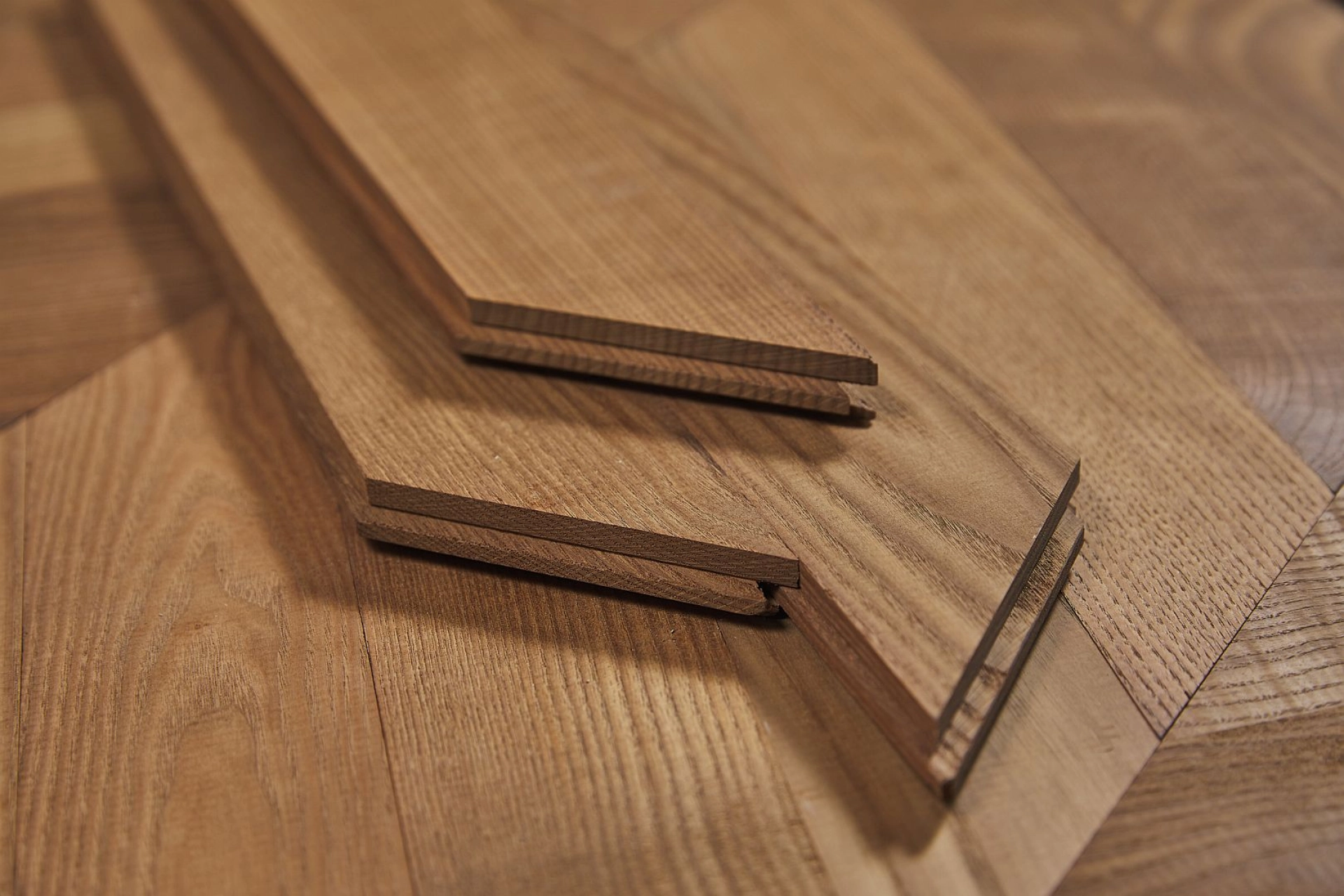
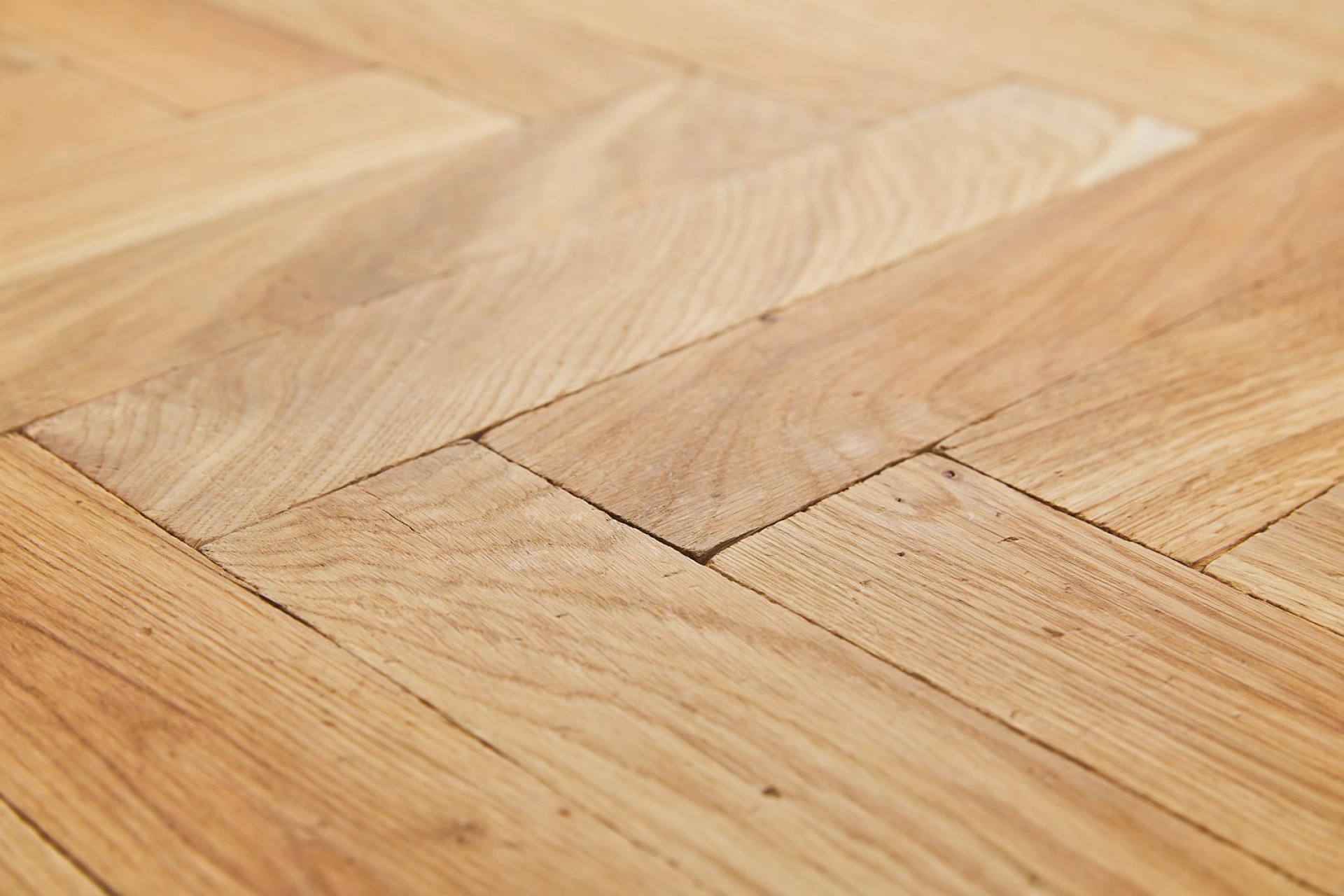
Oak has long been one of the most trusted choices in wooden flooring. It is valued for its balanced hardness, stable structure, and distinctive grain. In many homes, oak becomes the natural “safe choice” because it works well in both traditional and modern interiors. Its visible grain gives the floor character, while its warm tones make rooms feel welcoming and grounded.
One of oak’s biggest advantages is versatility. It can be finished in many ways: brushed, smoked, oiled, matte, or lacquered. This means oak adapts easily to different design styles, from rustic to minimalist. It also takes stains well, so if you want a lighter Scandinavian look or a deeper, richer tone, oak usually delivers the effect with ease.
From a practical point of view, oak handles everyday use very well. It is hard enough to resist normal wear, yet not so dense that refinishing becomes difficult. For families, pet owners, and anyone who wants a floor that can be refreshed over time, oak is often a very smart long-term investment.
Maple Flooring: Clean, Bright, and Subtle
Maple flooring offers a different kind of beauty. It is usually lighter in appearance, with a smoother and more uniform grain than oak. This gives maple a clean, calm look that works especially well in contemporary interiors. If you prefer a floor that does not compete with furniture or decor, maple can be an excellent option.
Maple is also known for its hardness. In many cases, it is harder than oak, which makes it very resistant to dents and surface damage. This can be appealing in busy households or rooms with heavy foot traffic. Its strength, however, comes with a trade-off: maple can be more challenging to stain evenly because of its dense, tight grain. That means its natural look is often its biggest advantage.
Because maple is more subtle visually, it is often chosen for spaces where brightness and simplicity matter. It can make smaller rooms feel more open and airy, and it pairs beautifully with light cabinetry, modern finishes, and clean architectural lines.
Appearance: Warm Character or Smooth Simplicity?
Visually, oak and maple create very different moods. Oak has a more pronounced grain, which adds texture and movement to the floor. This makes it ideal if you want the flooring itself to be a noticeable design element. It tends to feel warm, natural, and slightly more expressive.
Maple, by contrast, is understated. Its grain is finer and less dramatic, so the overall look is calmer and more uniform. This can be a major advantage in interiors where you want the floor to act as a quiet background rather than a focal point. If your style leans toward minimalism, maple may be the better fit.
Durability and Everyday Use
Both oak and maple are durable hardwoods, but they perform differently in daily life. Oak is generally easier to maintain visually because its grain helps hide small scratches and minor wear. In real homes, that can make a big difference. It means the floor stays attractive even as life happens on top of it.
Maple’s harder surface gives it strong resistance to dents, but its lighter, smoother appearance can show scratches more clearly. At the same time, if you care about a crisp, clean finish, maple can reward you with a very refined look. The best choice depends on whether you prefer maximum practicality or a more polished visual effect.
Finishing, Colour, and Design Flexibility
If flexibility is important to you, oak usually wins. It accepts a wide range of finishes and colours, which makes it easier to match changing interiors over the years. You can keep it natural, darken it, or give it a modern washed effect. Oak gives designers and homeowners room to experiment.
Maple is less flexible when it comes to staining, but that does not make it less attractive. In fact, many people choose maple precisely because it keeps its clean, natural appearance. If your goal is a floor that feels fresh, bright, and consistent, maple offers a very elegant solution.
Which One Is Better for Your Home?
There is no universal winner in the oak vs maple flooring debate. Oak is often the better choice if you want warmth, character, and easier styling options. It is a favourite for homes that need a floor with personality and long-term adaptability. Maple is ideal if you want a lighter, cleaner, and more modern look, with excellent hardness and a subtle visual profile.
For many homeowners, the decision comes down to lifestyle and taste. If your interior needs depth and texture, oak is likely the stronger match. If you prefer simplicity, brightness, and a smooth surface appearance, maple may be the better option. In both cases, you are choosing a real wooden floor with the quality and comfort that only natural wood can provide.
Final Thought
Choosing between oak and maple is less about finding the “best” wood and more about finding the right wood for your home. At 7braci.com, we know that a floor is not just a surface underfoot. It is part of the character of a room, part of daily life, and a long-term investment in comfort and style. Whether you are drawn to the timeless appeal of oak or the clean elegance of maple, a well-chosen wooden floor will bring value to your interior for years to come.