What Really Shapes the Price of a Wooden Floor?
Choosing a wooden floor is rarely only about looks. For most homeowners, the real question is how to balance style, durability, and budget without making a costly mistake. A well-made wooden floor can transform a room, add warmth to a home, and last for many years, but the final cost depends on much more than just the material itself.
If you are comparing options in the UK, it helps to understand what sits behind the numbers. The price of a wooden floor can vary widely depending on the species of timber, the construction of the board, the size of the area, and the level of preparation needed before installation. Knowing these factors makes it much easier to plan a realistic budget and choose a floor that suits both your home and your expectations.
Material Type Makes a Big Difference
One of the biggest factors affecting cost is the type of wooden flooring you choose. Solid wood flooring is typically more expensive than engineered wood because it is made from a single piece of timber. It offers a classic feel and can be sanded and refinished multiple times, which makes it attractive for long-term use.
Engineered wood flooring, on the other hand, has a real wood top layer with a layered base underneath. This construction helps it perform better in rooms where temperature and humidity can fluctuate, such as kitchens or homes with underfloor heating. It is often a more affordable choice, while still delivering the natural appearance many homeowners want.
Timber Species Influence Both Style and Budget
Not all wood is priced the same. Oak remains one of the most popular choices in the UK because it offers a timeless appearance and strong performance. Ash, walnut, and maple can create different visual effects, from pale and modern to rich and luxurious. Exotic species may come at a higher cost, especially if they are harder to source or require more careful processing.
The finish also matters. Brushed, smoked, hand-scraped, and oiled floors often carry different price points, but they can also change the character of the room completely. A good flooring specialist can help you compare options that suit your taste without going beyond your budget.
Installation Costs Should Never Be Overlooked
When planning a wooden floor project, many people focus on the boards and forget about installation. In reality, fitting costs can have a major impact on the total price. A straightforward room with a flat subfloor will be easier and cheaper to install than a space that needs levelling, moisture treatment, or removal of old flooring.
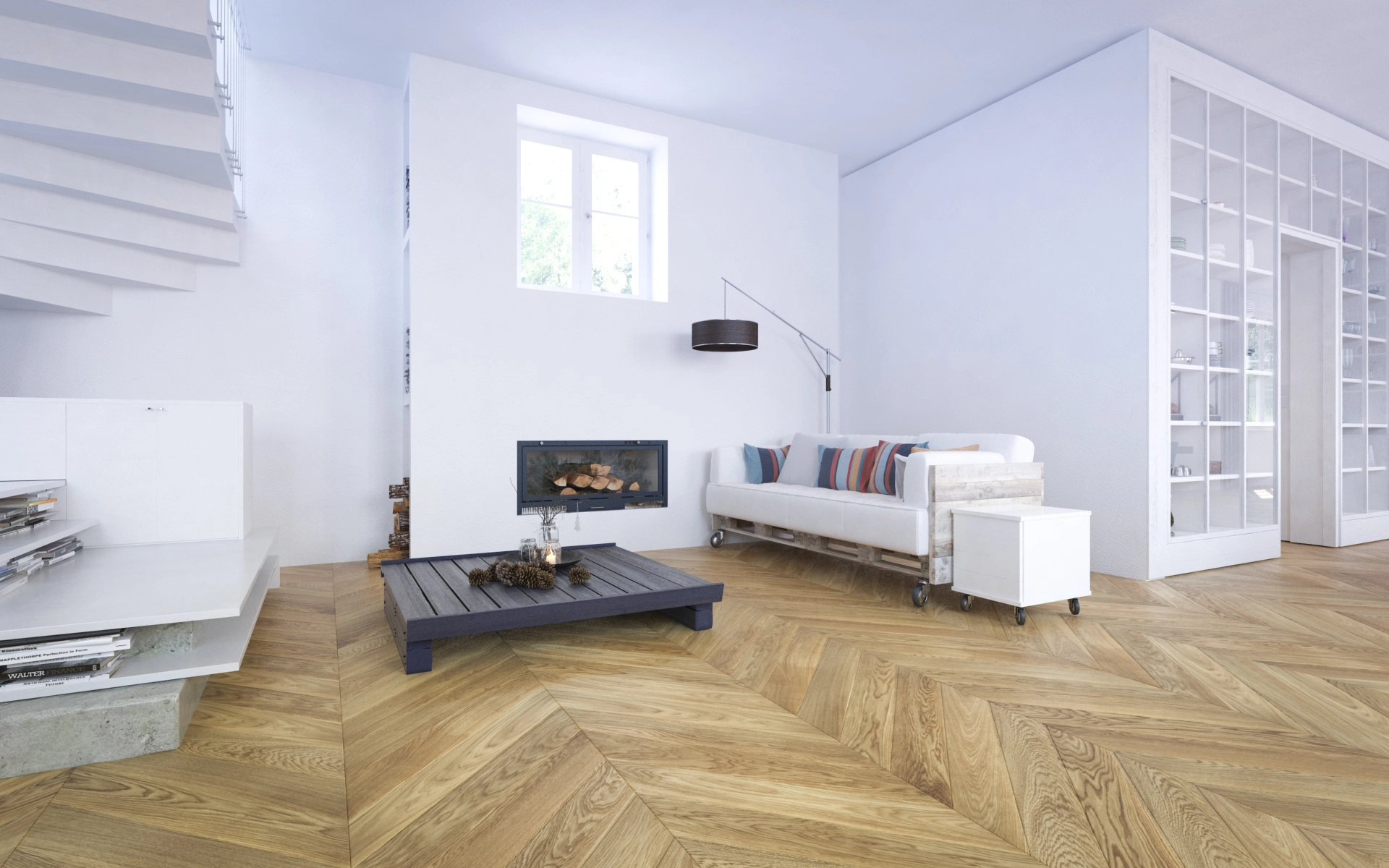
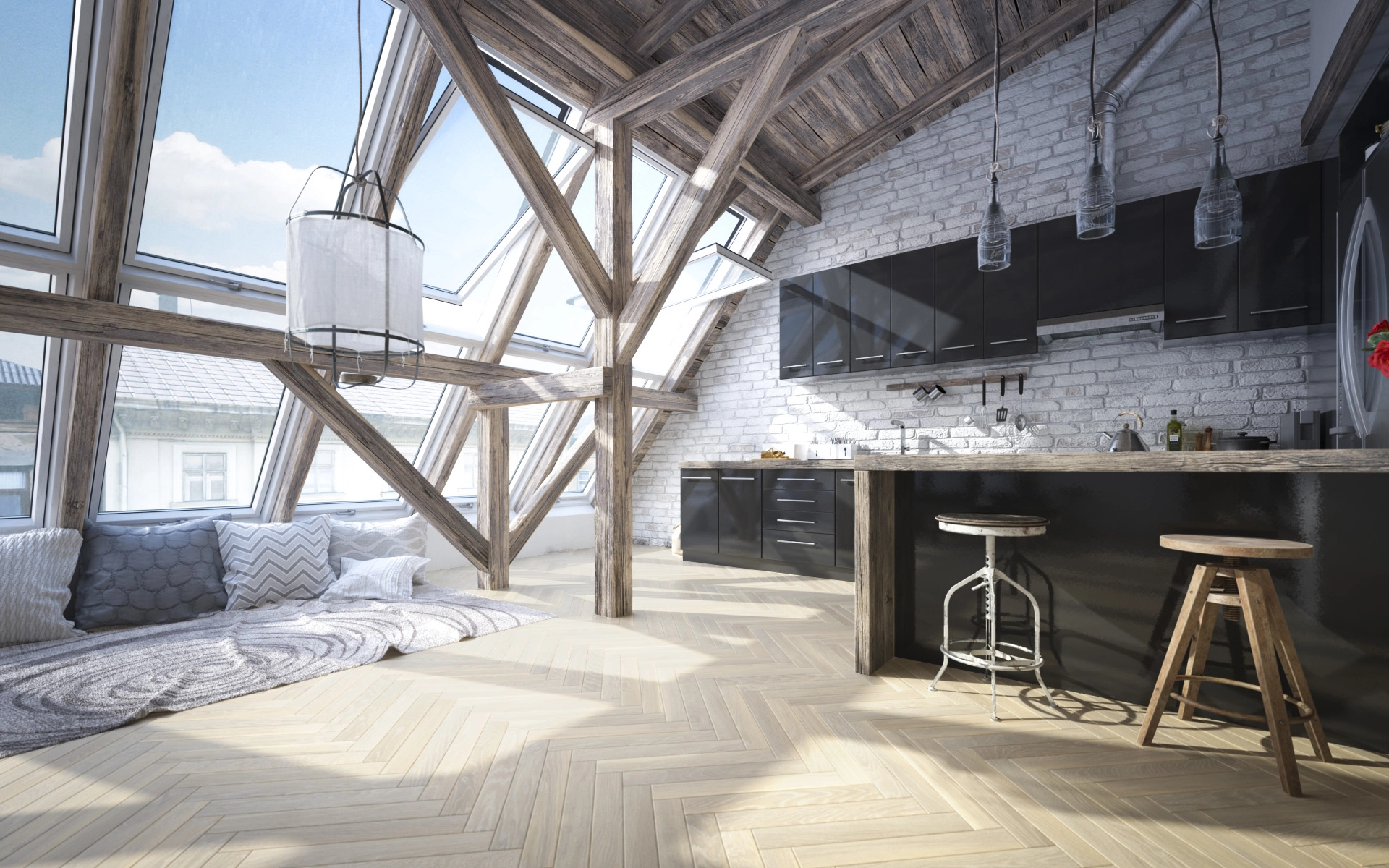
Patterned installations, such as herringbone or chevron, also take longer and require more skilled fitting. While these designs create a striking result, they usually increase labour costs. If you are budgeting carefully, it is wise to ask for a full quote that includes both materials and installation so there are no surprises later.
Subfloor Preparation Can Change the Final Total
A beautiful wooden floor can only perform well if what sits underneath it is properly prepared. Uneven subfloors, damp issues, or weak existing surfaces may need extra work before laying begins. This preparation can add to the cost, but it is often money well spent. A stable base helps protect the floor from movement, noise, and long-term damage.
In some homes, old carpet or vinyl can be removed quickly, while in others, more extensive preparation may be needed. If underlay, moisture barriers, or insulation are required, these will also affect the overall budget.
Room Size and Layout Matter Too
The size of the room has a direct effect on the total cost, but not always in a simple way. Larger spaces may benefit from better material pricing per square metre, while smaller rooms can sometimes cost more to install relative to their size because cutting and fitting take the same care and skill.
Rooms with awkward shapes, alcoves, stairs, or multiple doorways usually require more precision. This can increase labour time and material waste. Accurate measuring is essential if you want a realistic idea of what the project will cost from the beginning.
Why Wooden Flooring Is Often Worth the Investment
Although wooden flooring may require a higher upfront spend than some other floor coverings, it often delivers excellent value over time. A good floor can improve the feel of a home instantly, and quality boards can last for decades when properly maintained. In many cases, wooden flooring is also easier to refresh than to replace, especially if it can be sanded and refinished in the future.
For homeowners who want a floor that looks natural, feels warm underfoot, and complements a wide range of interior styles, wood remains one of the strongest choices available. It works beautifully in both traditional and modern homes and continues to be one of the most desirable flooring finishes in the UK.
Getting the Best Value for Your Project
The best approach is not always to choose the cheapest option, but to choose the right one for your space. A flooring specialist can help you compare products, explain where costs are likely to rise, and suggest solutions that fit your room and budget. Sometimes a slightly different board thickness, finish, or installation method can make a meaningful difference to the final price.
If you are planning a new floor, start with a clear understanding of your priorities: appearance, durability, maintenance, and budget. Once those are defined, it becomes much easier to narrow down the right wooden flooring solution and invest confidently in a floor that will serve your home well for years to come.