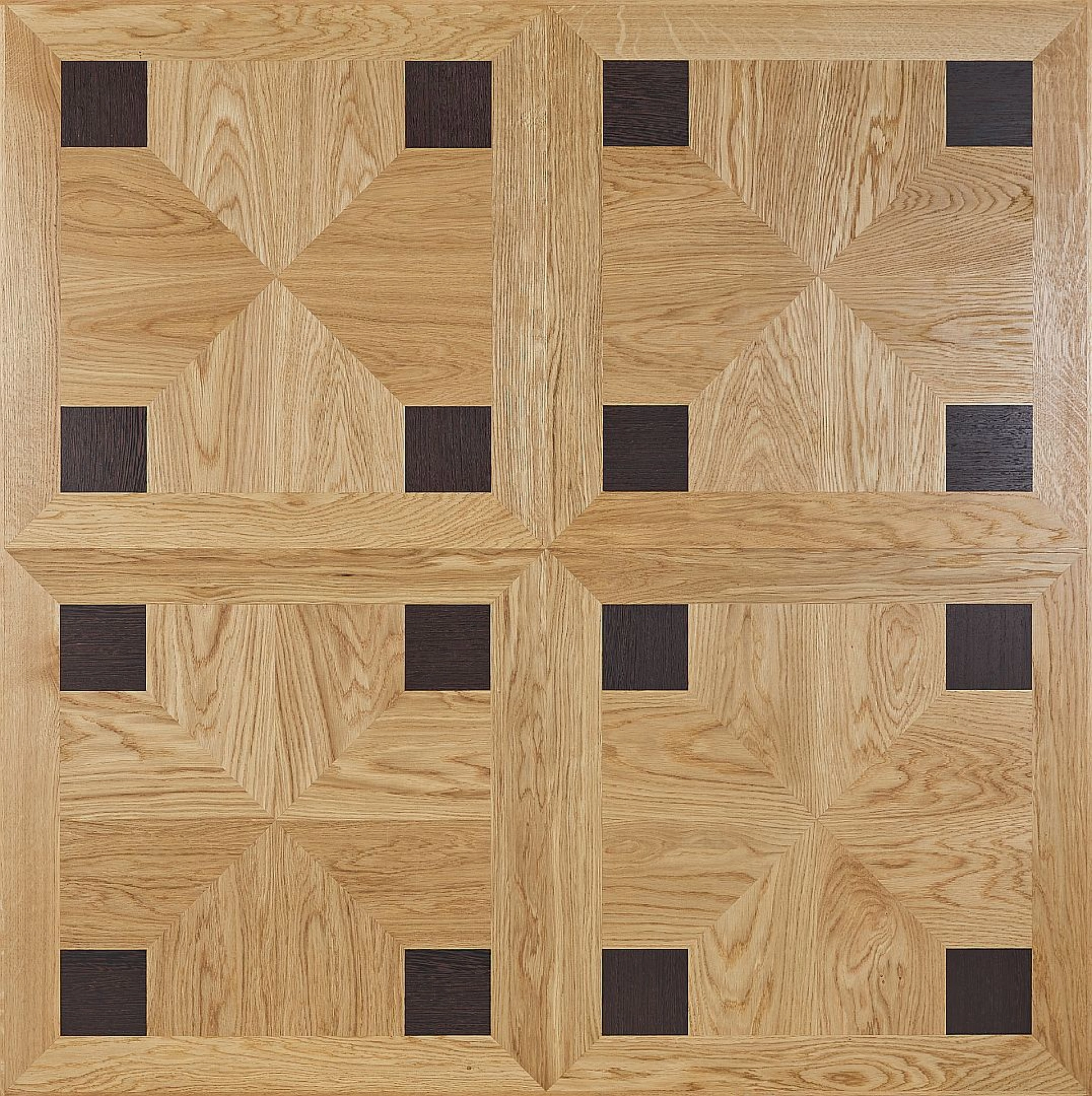
Installing wood flooring on concrete is a great way to add warmth, style, and value to a home. Whether you are renovating a ground-floor room, basement, or new build, the key to success is preparing the concrete properly and choosing the right installation method. At 7braci.com, our wooden floor specialists and joinery experts know that a beautifully finished floor starts with the right foundation.
This guide explains how to install wood flooring on concrete, what materials you need, and the most important steps to follow for a long-lasting result.
Can You Install Wood Flooring on Concrete?
Yes, wood flooring can be installed on concrete, but not directly without preparation. Concrete is porous and can hold moisture, which can damage wood over time if the floor is not properly sealed or protected. Before installing any wood floor, you need to check the condition of the concrete, test for moisture, and decide on the best installation method for your type of flooring.
Solid wood, engineered wood, and laminate all behave differently. In most cases, engineered wood is the best choice for concrete subfloors because it is more stable and less likely to warp with moisture changes. Solid wood can sometimes be used, but only when conditions are suitable and installation is carefully managed.
Check the Concrete Subfloor First
The first step is inspecting the concrete. The surface should be clean, dry, level, and free from cracks, paint, dust, grease, or old adhesive. Any imperfections in the subfloor can affect the finished floor.
Use a straightedge or leveling tool to identify dips and high spots. If the concrete is uneven, it may need to be ground down or filled with a levelling compound. A smooth, flat base helps prevent squeaks, movement, and visible imperfections in the finished flooring.
It is also essential to test for moisture. Concrete can release dampness slowly over time, which can cause wood flooring to swell, cup, or fail. Moisture testing kits are available, or you can ask a flooring professional to carry out a proper assessment. If moisture levels are too high, you may need a damp-proof membrane or additional treatment before fitting the floor.
Choose the Right Wood Flooring
When installing wood flooring on concrete, the type of wood matters. Engineered wood flooring is usually the preferred option because it has a layered construction that makes it more resistant to expansion and contraction. It is ideal for homes with concrete subfloors and can often be installed as a floating floor, glued down, or fixed using specific systems.
Solid wood flooring may look beautiful, but it is more sensitive to moisture and movement. If you choose solid wood, professional installation is strongly recommended. Our joinery specialists at 7braci.com can advise on the most suitable product for your space and conditions.
Acclimatise the Flooring
Before installation, allow the wood flooring to acclimatise in the room for at least 48 to 72 hours, or as recommended by the manufacturer. This means leaving the boards in the space where they will be installed so they can adjust to the temperature and humidity.
Acclimatisation helps reduce the risk of the flooring expanding or shrinking after installation. Make sure the room is at normal living conditions during this period, with heating and ventilation set as they will be during everyday use.
Installation Methods for Wood Flooring on Concrete
There are three main ways to install wood flooring on concrete: floating, glue-down, and batten systems. The right method depends on the product, subfloor condition, and room use.
1. Floating Installation
A floating floor is not nailed or glued directly to the concrete. Instead, the boards lock together and sit on top of an underlay. This is a popular choice for engineered wood and laminate flooring.
To install a floating floor, first lay down a suitable moisture-resistant underlay or vapour barrier. Then begin fitting the boards from one wall, leaving an expansion gap around the edge of the room. Use spacers to keep the gap consistent. Click the boards together tightly, staggering the joins in each row for a more natural appearance and added strength.
Floating floors are easier and quicker to install, but they may not feel as solid underfoot as glued floors.
2. Glue-Down Installation
Glue-down installation is often the best choice for engineered wood flooring on concrete. In this method, the boards are adhered directly to the prepared subfloor using a suitable flooring adhesive.
Before applying adhesive, make sure the concrete is fully clean and dry. If required, a primer or moisture barrier system should be used first. Spread the adhesive evenly with the correct notched trowel and lay the boards carefully into place. Press each board firmly and keep the joints tight.
This method creates a strong, stable floor with excellent sound reduction. However, it must be done correctly, because mistakes are harder to fix once the adhesive sets.
3. Batten or Subfloor Systems
In some cases, especially where the concrete is uneven or extra insulation is needed, a batten system may be used. Timber battens are fixed over the concrete, usually with a damp-proof layer beneath them, and the wood flooring is then nailed or screwed to the battens.
This method raises the finished floor height, so it is important to check door clearances and transitions into adjoining rooms. It can also improve airflow and allow space for additional insulation.
Step-by-Step Installation Overview
Here is a simple overview of how to install wood flooring on concrete:
1. Clean and inspect the concrete subfloor.
2. Test for moisture and apply a damp-proof membrane if needed.
3. Level any uneven areas with a suitable compound.
4. Acclimatise the wood flooring in the room.
5. Lay underlay or adhesive, depending on the installation method.
6. Fit the boards carefully, keeping expansion gaps around the perimeter.
7. Cut the last boards to size and complete the row.
8. Install skirting boards or trims to cover expansion gaps.
9. Clean the floor and allow any adhesive to cure fully before use.
Important Tips for a Successful Finish
Never skip moisture testing. This is one of the most common reasons wood flooring fails on concrete. Also, avoid installing flooring in rooms with unresolved damp problems, leaks, or poor ventilation.
Use only adhesives, underlays, and membranes that are approved for use with wood flooring and concrete subfloors. Follow the manufacturer’s instructions carefully, as different products have different requirements.
Remember to leave expansion gaps around the edges of the room. Wood naturally expands and contracts with changes in temperature and humidity. Without enough space, the floor can buckle or lift.
Why Use a Specialist?
Although some homeowners choose to fit flooring themselves, installing wood flooring on concrete requires precision and experience. Subfloor preparation, moisture control, and product selection all affect the final result. A professional installer can help avoid costly mistakes and ensure the floor performs well for years.
At 7braci.com, we specialise in wooden flooring and joinery solutions tailored to your property. Whether you need advice, supply, or installation, our team can help you choose the right floor and fit it to a high standard.
Conclusion
Installing wood flooring on concrete is absolutely possible when the subfloor is properly prepared and the correct method is used. The most important steps are moisture testing, levelling the concrete, acclimatising the boards, and choosing the right installation system.
If you want a durable, attractive finish, engineered wood flooring is often the best option for concrete subfloors. For expert help with wooden flooring installation, joinery, or advice on the best products for your home, contact the specialists at 7braci.com.