Choosing a wooden floor that feels right for your home
A wooden floor is more than a practical surface underfoot. It shapes the atmosphere of a room, adds warmth, and often becomes one of the most memorable features in the entire interior. When people begin comparing different wood flooring options, they usually discover that the decision is not only about colour or finish, but also about the pattern, the type of construction, and the long-term character of the floor.
Two terms that often appear in this search are parquet and herringbone flooring. They are related, but not identical, and understanding the difference can help you choose a floor that matches both your style and your expectations for daily use.
What parquet really means
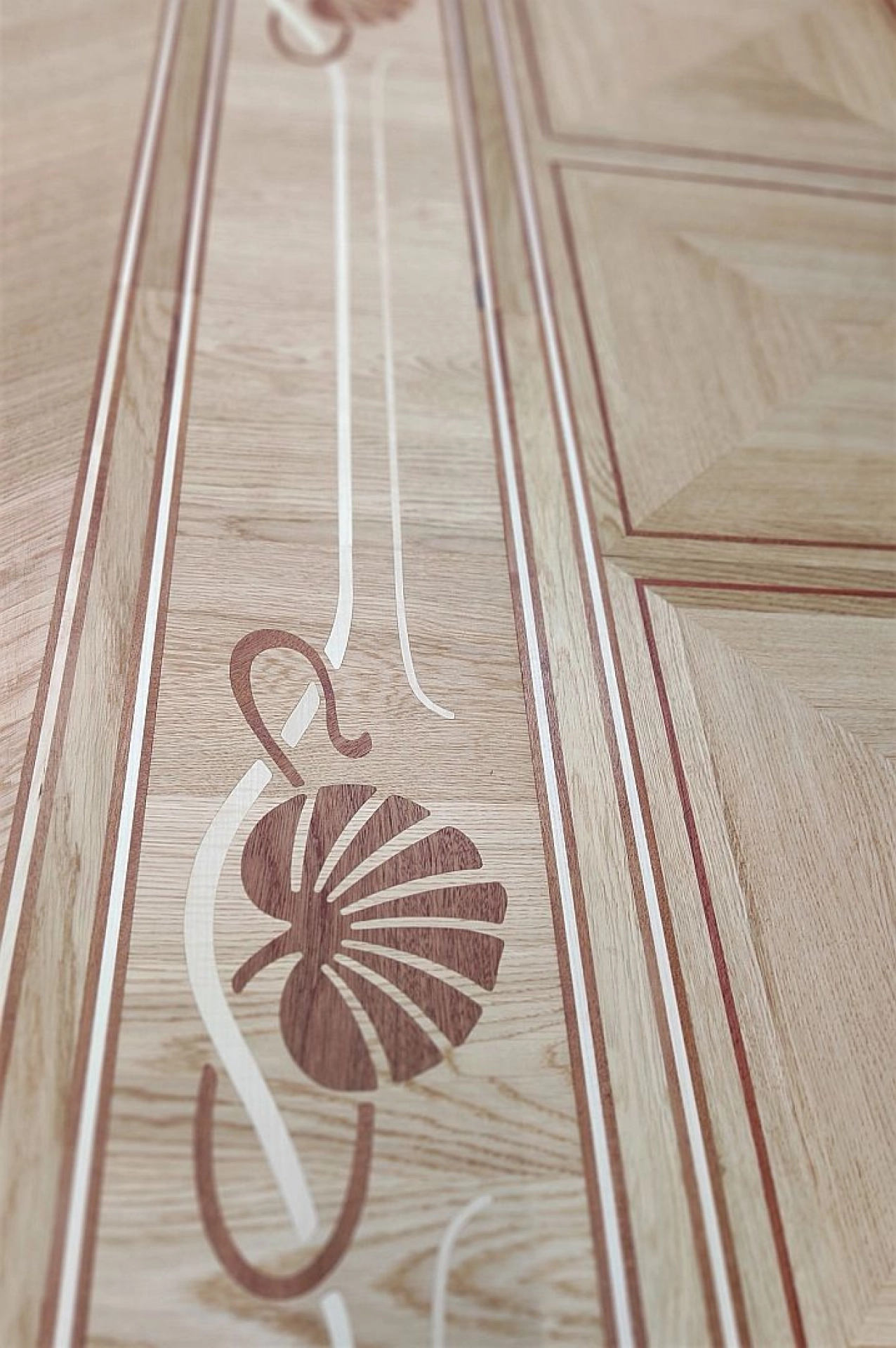
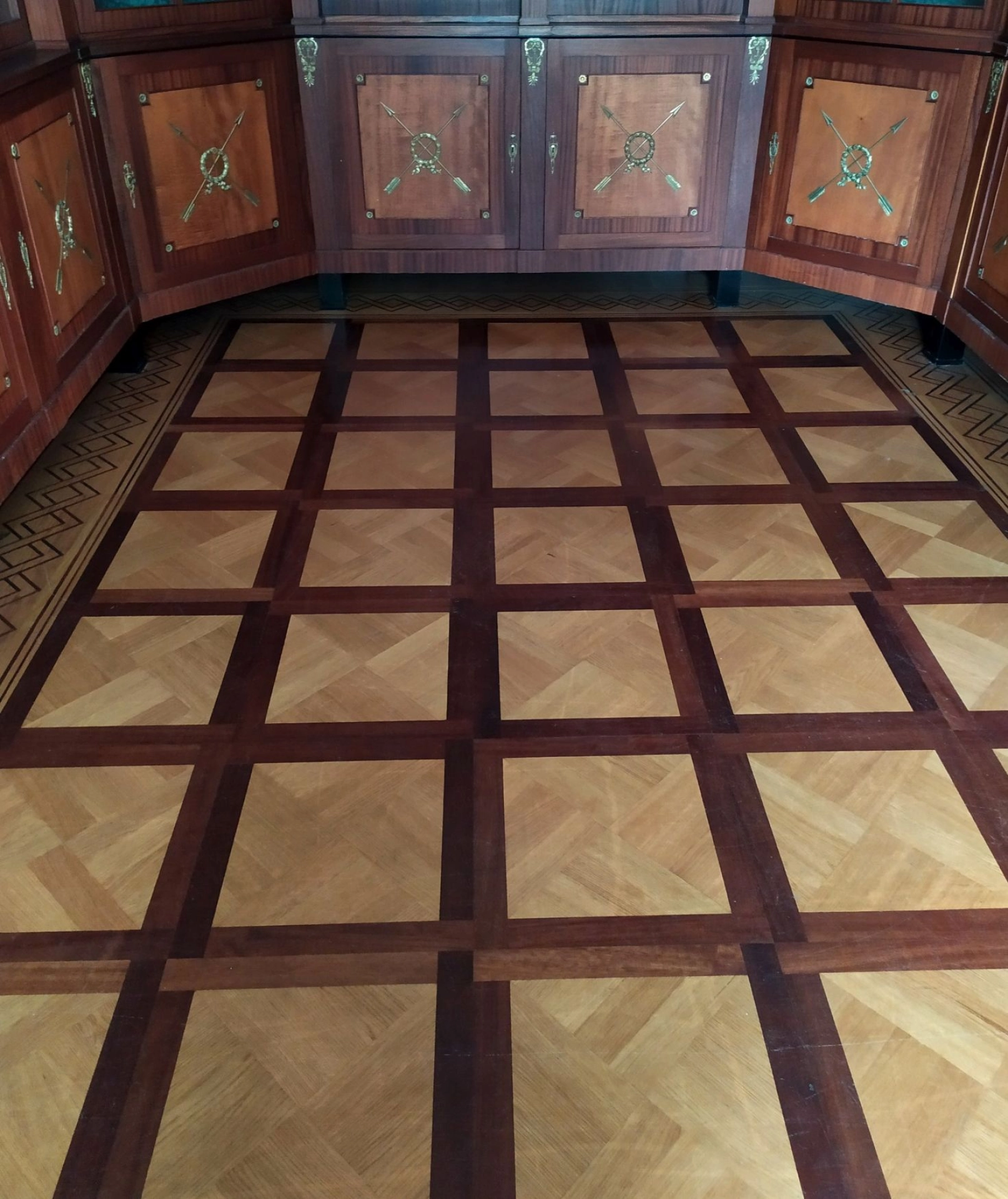
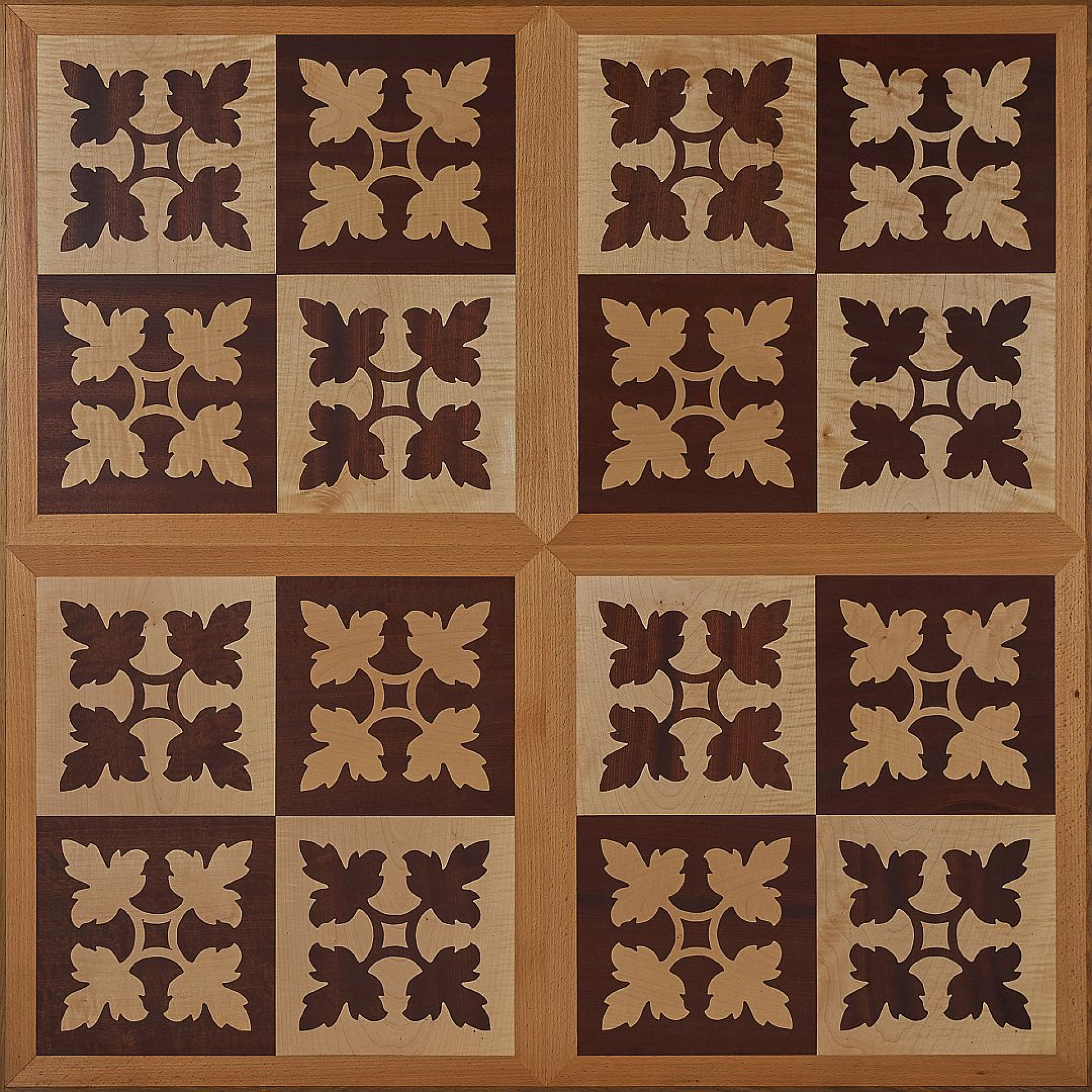
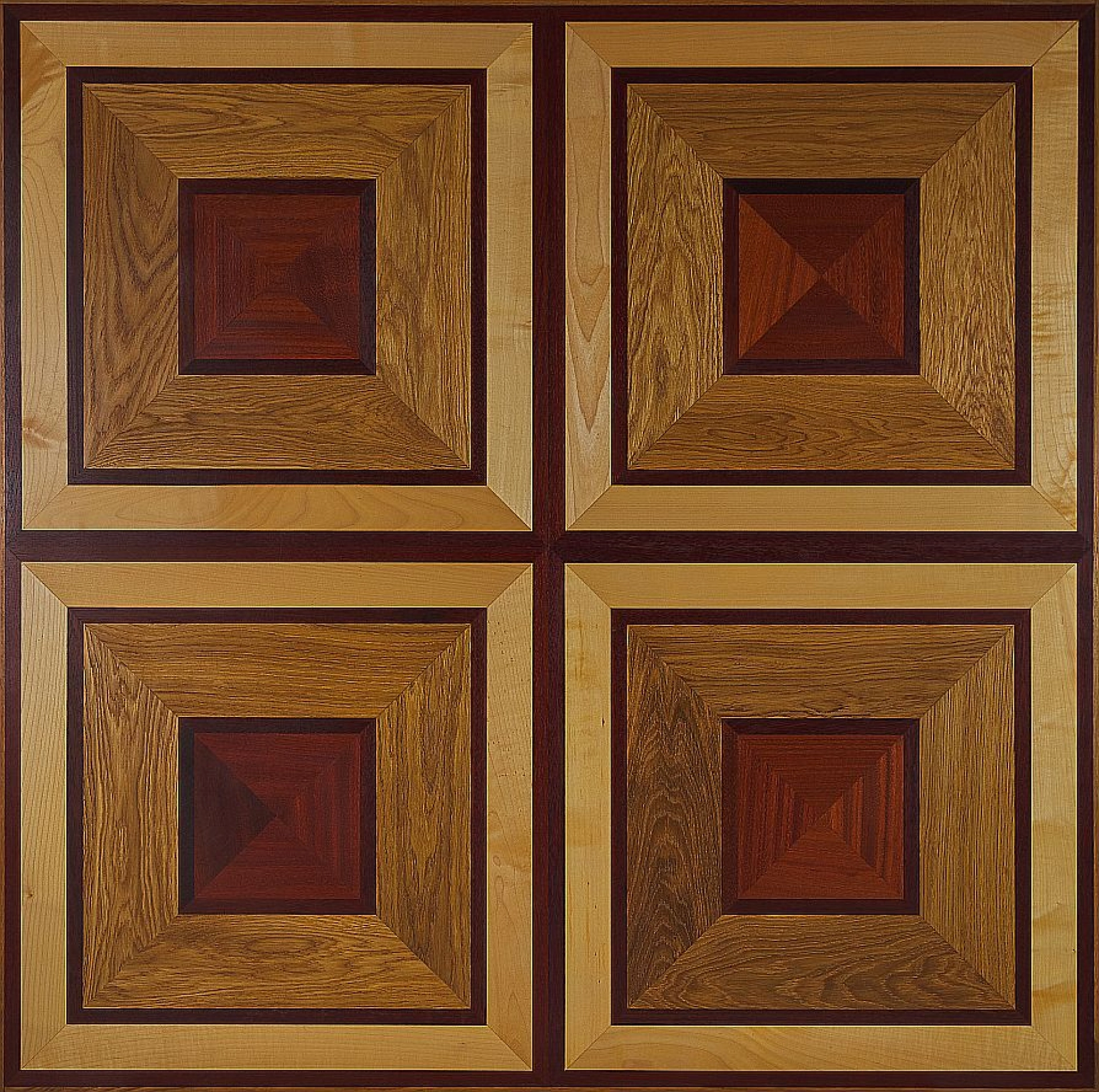
Parquet is a broad term for wooden flooring made from small pieces or blocks of wood arranged in decorative patterns. It is not one single layout, but rather a family of designs. Chevron, basket weave, brick style, and many other patterns can all fall under the parquet category.
For many homeowners, parquet suggests elegance, craftsmanship, and visual detail. It works beautifully in interiors where the floor is meant to be a design feature, not just a background element. Because the layout is made from smaller pieces, parquet can create a rich and textured look even in simple spaces.
What makes herringbone flooring special
Herringbone is one of the best-known parquet patterns. The boards or blocks are laid in a staggered zigzag formation, with each piece meeting the next at a right angle. The result is a dynamic, structured surface that draws the eye and adds movement to the room.
This pattern has a long history and remains popular because it feels both classic and fresh. It can suit traditional interiors, but it also works well in modern spaces where contrast and geometry are important. Herringbone often gives a room a sense of refinement without feeling overly formal.
Parquet vs herringbone flooring: the key difference
The simplest way to explain the comparison is this: parquet is the general category, while herringbone is one specific pattern within that category. If you imagine parquet as a large family of wooden floor designs, herringbone is one of its most recognisable members.
That means a customer searching for parquet may be looking for a wide range of styles, while someone asking about herringbone usually already has a clearer idea of the visual effect they want. Herringbone is often chosen when the goal is to introduce movement, elegance, and a timeless architectural feel.
Visual effect and room style
Parquet flooring can be subtle or dramatic depending on the pattern selected. Some layouts feel understated and calm, while others become the focal point of the interior. This flexibility is one of parquet’s biggest strengths.
Herringbone, on the other hand, is instantly recognisable. Its diagonal rhythm adds energy to a space and can make rooms feel more designed and intentional. In smaller rooms, it can create depth. In larger rooms, it brings structure and balance.
If your interior is minimalist, herringbone can introduce character without relying on colour or decoration. If your home already includes many strong visual elements, a simpler parquet pattern may be the better choice to avoid overwhelming the space.
Practical considerations for everyday living
When choosing any wooden floor, appearance should go hand in hand with practicality. Both parquet and herringbone can be excellent long-term solutions, but the final result depends on the quality of the wood, the installation, and the finish.
Herringbone patterns can require more careful installation because alignment matters greatly. A precise layout is essential for achieving the right look. Parquet designs in general also demand skilled fitting, especially when the pattern is complex.
For busy households, it is worth considering how the floor will age. A high-quality wooden floor can be sanded and renewed over time, which makes it a durable investment. Choosing the right finish can also help with maintenance, whether you prefer a natural oiled surface or a more resistant lacquered option.
Which option is better for your interior?
There is no universal winner in the parquet vs herringbone flooring discussion. The better choice depends on the atmosphere you want to create. If you value variety, parquet gives you many pattern possibilities and a great deal of design freedom. If you love symmetry, movement, and a refined look, herringbone is a strong candidate.
Many homeowners are drawn to herringbone because it combines tradition with contemporary appeal. Others prefer parquet because it offers more room for personal expression. Both options can feel luxurious when made from quality wood and installed with care.
Why expert advice matters
Wood flooring is a long-term decision, so it is worth looking beyond trend-driven inspiration. The right specialist can help you understand how different patterns will behave in your space, how they will interact with light, and which construction will suit your needs best.
At 7braci.com, wooden flooring is approached with attention to detail, material quality, and the final experience of the room. Whether you are leaning toward parquet or specifically toward herringbone, professional guidance can make the process easier and the outcome more satisfying.
Final thoughts
Parquet and herringbone flooring both offer the warmth and authenticity that people look for in a wooden floor. The difference lies in scope and style: parquet is the wider category, while herringbone is one of its most iconic patterns. If you want a floor that feels timeless, crafted, and full of character, either path can be the right one.
The best choice is the one that fits your home, your lifestyle, and the feeling you want to create every time you walk into the room.